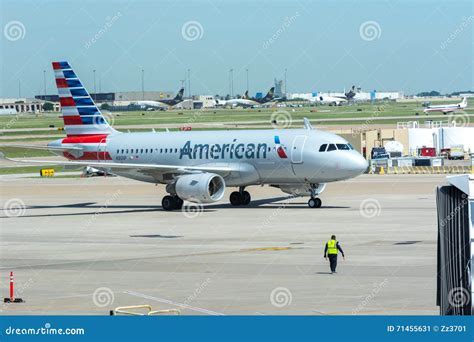
American Airlines has announced a significant reconfiguration of its Airbus A319 fleet, a move that reflects both evolving market demands and the airline’s push for greater operational efficiency. The update introduces more premium seating options, aimed at boosting revenue and competitiveness, but not without notable compromises to passenger comfort. As the aviation industry gravitates toward higher seat density and cost reduction, American Airlines’ latest cabin overhaul highlights the ongoing tension between profitability and passenger satisfaction.
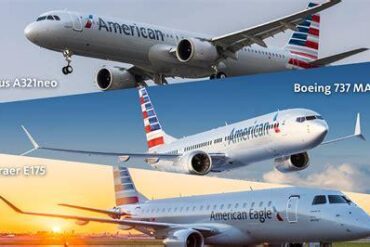
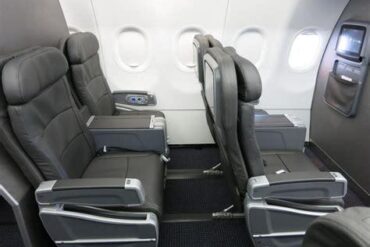
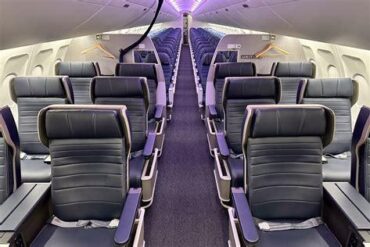
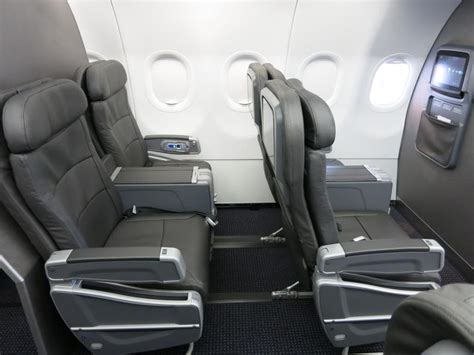
The A319, a narrow-body aircraft widely deployed across American’s short-to-medium-haul routes, has traditionally featured a relatively modest first-class cabin of just eight seats. This setup has long been seen as a limiting factor, especially when compared to the airline’s Boeing 737, which boasts 16 premium seats, or the Airbus A321neo, configured with 20. The scarcity of first-class seating on the A319s has restricted both upgrade availability for frequent flyers and revenue potential on high-demand routes.
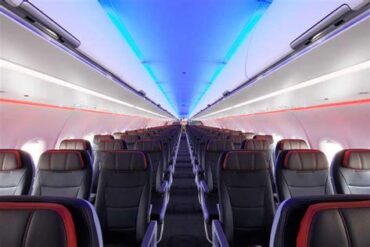
In an ambitious move to rectify this, American Airlines is increasing the number of first-class seats on the A319 to align more closely with its broader fleet strategy. However, these additional seats come at a cost—requiring a meticulous reworking of the aircraft’s interior, notably involving the galley, lavatories, and overall passenger space.
Lavatory Redesign Sparks Controversy Over Comfort
One of the most contentious aspects of this new configuration is the downsizing and relocation of the lavatories, a change that has already sparked debate among passengers and aviation analysts alike. American Airlines plans to compress lavatory space even further, integrating a flight attendant jump seat within the lavatory area itself to reclaim cabin real estate for additional seating.
Critics argue that lavatories on the A319 were already notably cramped, with existing design flaws such as undersized sinks that often cause water to splash onto users. The reconfiguration exacerbates these issues, leading to concerns about hygiene, accessibility, and basic passenger comfort. Passengers on longer routes, in particular, may feel the squeeze—literally and figuratively—as these confined spaces become even more restrictive.
This design choice reflects a broader, industry-wide trend where maximizing seat count takes precedence over enhancing individual comfort. While such densification strategies can yield short-term financial gains, airlines risk long-term reputational damage if passenger dissatisfaction mounts.
Removal of Seat-Back Entertainment Adds to Passenger Trade-Offs
In a further effort to streamline operations and reduce in-flight service costs, American Airlines is also eliminating seat-back entertainment screens from its refurbished A319 fleet. This decision, mirroring moves by other major carriers, encourages passengers to use their own devices for entertainment.
Although this approach may lower maintenance expenses and simplify the cabin design, it represents the loss of a valued amenity, particularly on longer flights where personal entertainment options can significantly impact the travel experience. Many passengers, especially those without personal devices or those traveling with families, may find the absence of seat-back screens an unwelcome change.
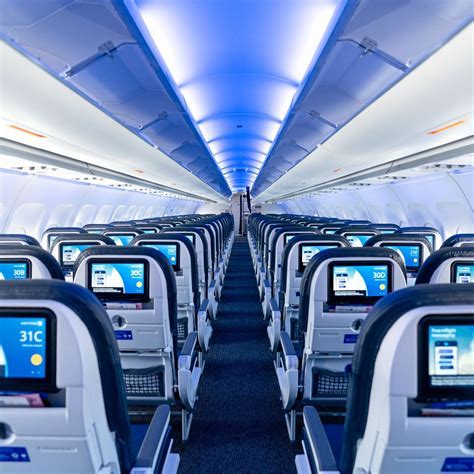
From the airline’s perspective, the move is consistent with broader efforts to standardize fleet interiors, reduce overall aircraft weight, and improve fuel efficiency—all of which contribute to operational cost savings. However, the trade-off for passengers is evident, especially when coupled with more cramped lavatories and tighter cabin space.
Balancing Capacity Gains with Passenger Satisfaction
American Airlines’ reconfiguration strategy stems from a desire to optimize revenue per available seat mile (RASM)—a key industry metric. By adding more seats, especially in the high-margin first-class section, the airline can theoretically extract greater value from each flight, particularly on lucrative business routes.
Yet, this focus on densification introduces a clear risk: eroding the passenger experience in economy class, which constitutes the majority of travelers. Squeezing lavatories, removing seat-back entertainment, and reducing personal space may help airlines stay competitive on price but can undermine customer loyalty over time.
Operational efficiency and fleet uniformity are undeniably crucial in today’s fiercely competitive aviation landscape, especially given the ongoing volatility in fuel prices and global travel demand. Nevertheless, American Airlines must strike a careful balance. Alienating passengers with overly cramped conditions could prompt defections to rival carriers offering more comfortable alternatives.
Industry-Wide Trend of Densification Raises Questions
American Airlines’ decision mirrors similar trends seen across major carriers, as airlines globally grapple with the challenge of servicing growing passenger numbers while keeping fares competitive. The strategy reflects the harsh economic realities of modern aviation, where every square inch of cabin space has revenue implications.
Compact lavatories, denser seating layouts, and streamlined cabin designs have become common, particularly among U.S. airlines competing on domestic routes. While low-cost carriers pioneered many of these efficiency-focused practices, legacy carriers like American Airlines are increasingly adopting similar approaches to remain viable.
The push toward densification isn’t solely about profits; airlines face immense pressure to modernize fleets, invest in sustainability initiatives, and manage escalating operating costs. Nevertheless, the cumulative impact of these changes on passenger well-being remains a point of contention.
Long-Term Implications for American Airlines’ Reputation
As American Airlines proceeds with its A319 overhaul, the broader implications extend beyond immediate revenue gains. The airline’s reputation for service quality and passenger comfort, particularly among frequent flyers and premium customers, hangs in the balance.
The addition of more first-class seating aligns with rising demand for premium products, particularly on routes where corporate travel dominates. However, this must be weighed against the loss of cabin amenities and passenger space that affect the flying experience for the majority of travelers.
Moreover, customer expectations are evolving. Travelers are increasingly vocal about cabin comfort, in-flight entertainment, and overall value. Social media and online review platforms amplify negative feedback, meaning that even minor changes to aircraft interiors can significantly influence public perception.
American Airlines will need to carefully monitor passenger feedback and operational outcomes following the A319 reconfiguration rollout. The success of this densification initiative depends not only on revenue metrics but also on maintaining customer satisfaction in an era where travel experiences are shared instantly and globally.
Conclusion: Profitability vs Passenger Experience
The reconfiguration of American Airlines’ Airbus A319 fleet marks a strategic pivot toward maximizing aircraft utility and revenue. By increasing first-class seat availability, redesigning cabin layouts, and cutting in-flight amenities like seat-back entertainment, the airline is positioning itself to compete more effectively in a crowded, cost-sensitive market.
However, these changes underscore the ongoing tension between profitability and passenger comfort—a challenge that defines much of the modern aviation industry. While American Airlines may realize short-term operational efficiencies, the long-term impact on customer satisfaction and brand loyalty remains to be seen.
Passengers boarding the newly configured A319s will soon experience firsthand whether the trade-offs favor the airline’s bottom line or erode the qualities that make air travel enjoyable and convenient. As the aviation sector continues to evolve, airlines like American must navigate these complexities with precision, balancing business imperatives with the expectations of a discerning traveling public.