US travelers arriving at Philadelphia International Airport are now greeted with an elevated air travel experience, thanks to the debut of American Airlines’ newest Flagship Lounge in Terminal A West. Marketed as a pinnacle of premium comfort, luxury hospitality, and seamless service, the lounge delivers an impressive array of amenities aimed at the elite traveler segment. But while the first impressions dazzle — beginning with a champagne welcome — the reality of its limited capacity casts a shadow over its otherwise glittering appeal.
A Sophisticated Arrival Experience With a Personal Touch
Located between Gates 15 and 16 in Terminal A West, the Philadelphia Flagship Lounge redefines the welcome ritual. Upon entry, guests are greeted not only by staff but by a glass of champagne, instantly setting a tone of elevated sophistication. This greeting isn’t just ceremonial — it marks American Airlines’ renewed commitment to genuine hospitality, distinguishing the lounge from the more transactional tone often found in other hubs like Dallas-Fort Worth. The difference is palpable: a sincere smile, a handcrafted beverage, and a well-composed ambiance.
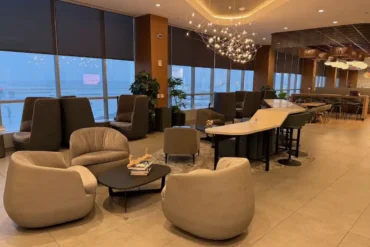
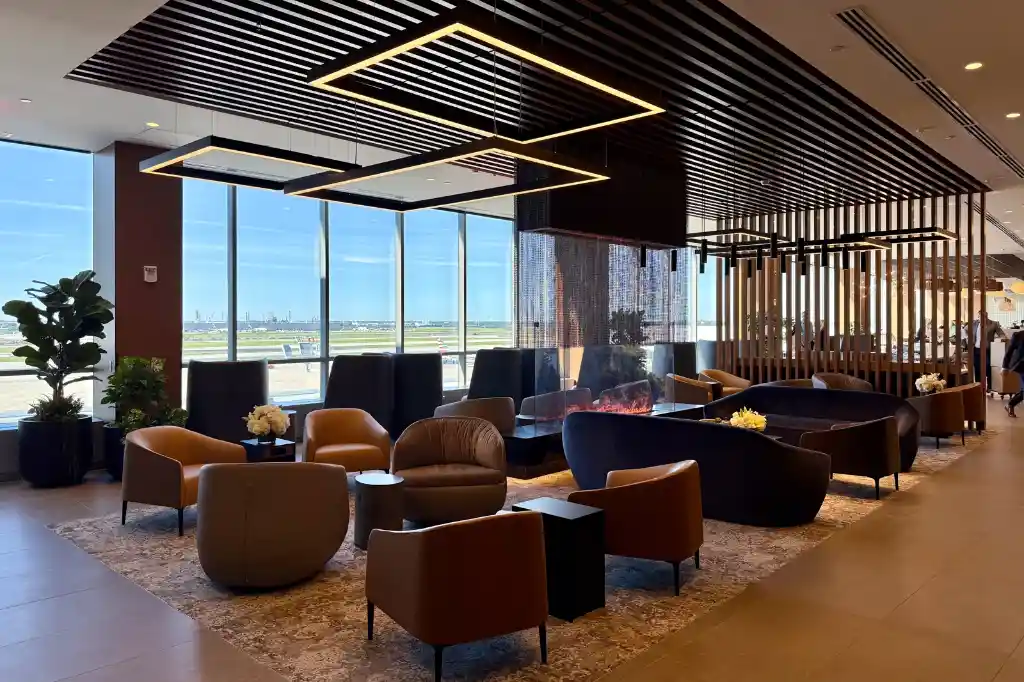
After scanning credentials at the automated gate, guests pass through to a thoughtfully appointed space adorned with plush furnishings, subtle lighting, and refined finishes. The design, while elegant, immediately reveals its spatial limitation. Unlike the sprawling lounges at New York JFK or Miami International, this lounge has a more intimate footprint — a decision that, while intentional for atmosphere, struggles to accommodate the growing demand among status flyers and premium cabin passengers.
Design Brilliance Meets Spatial Constraints
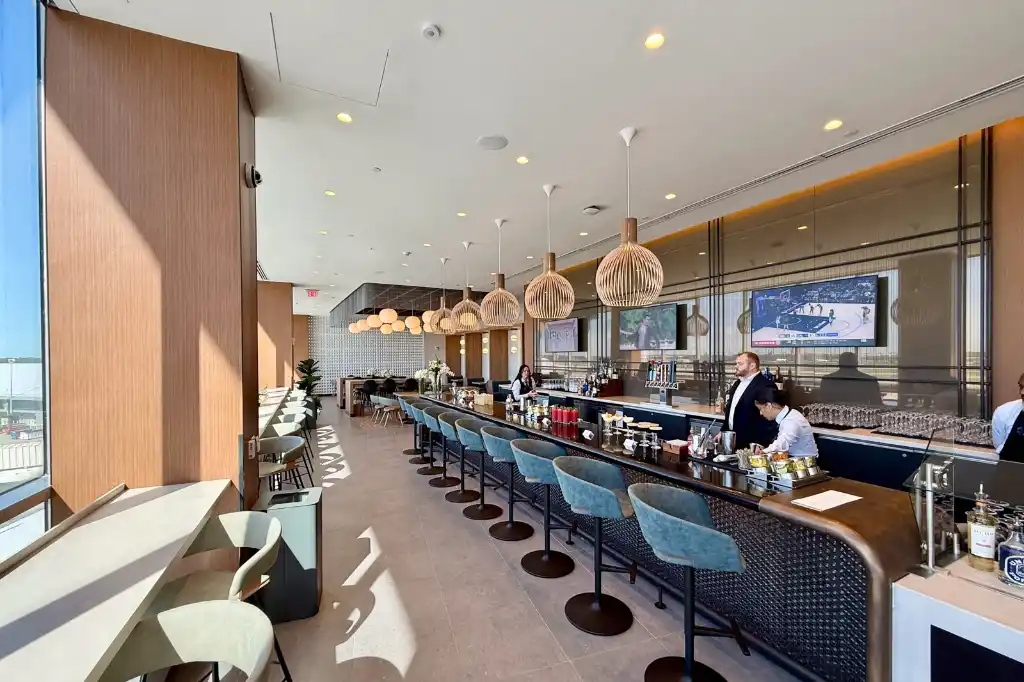
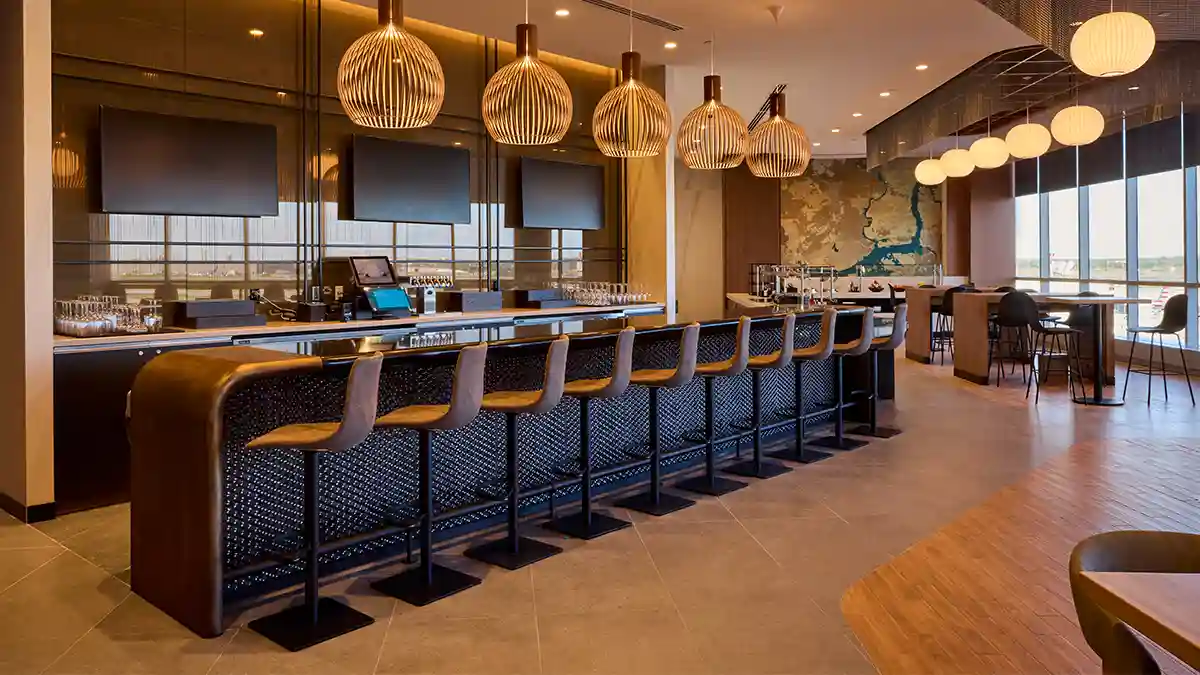
The interior of the lounge showcases American Airlines’ upscale design ethos. Materials exude quality — from polished stone surfaces to premium leather seating. The layout creates visual zones for work, dining, and relaxation, but each comes with one common drawback: limited availability during peak hours.
While the architectural intent favors a boutique aesthetic over sprawling sprawl, regular visitors have noted a consistent issue — overcrowding. With so many elite passengers connecting through Philadelphia, especially during evening international departures, the lounge often becomes standing-room-only.
The Swing Space Solution and Its Limitations
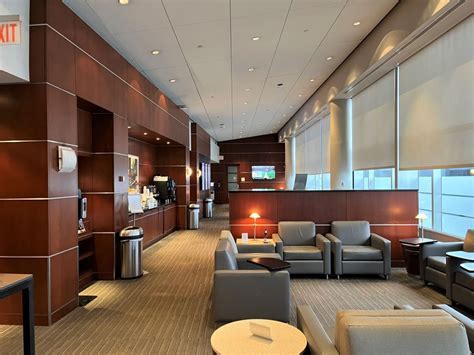
A standout feature in terms of design adaptability is the “connector” or “swing space” that links the Flagship Lounge with the adjacent Admirals Club. This flexible area can be opened to increase Flagship capacity as needed. During the author’s visit, the connector was open and empty — a serene escape from the bustle of the main lounge. However, this solution isn’t foolproof. The connector space is subject to staffing and operational coordination, and thus, its availability can’t always be guaranteed.
Compounding the issue is a surprising security flaw: an unlocked door on the Admirals Club side, marked “private,” connects directly into the Flagship Lounge. While no unauthorized entries were observed during the visit, the potential for cross-traffic highlights a vulnerability that could undermine the exclusivity of the Flagship experience.
Luxury Offerings That Rival Global Competitors
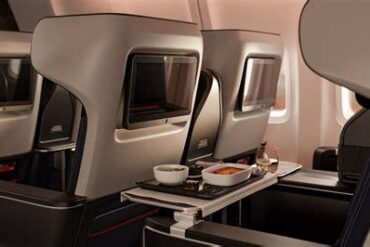
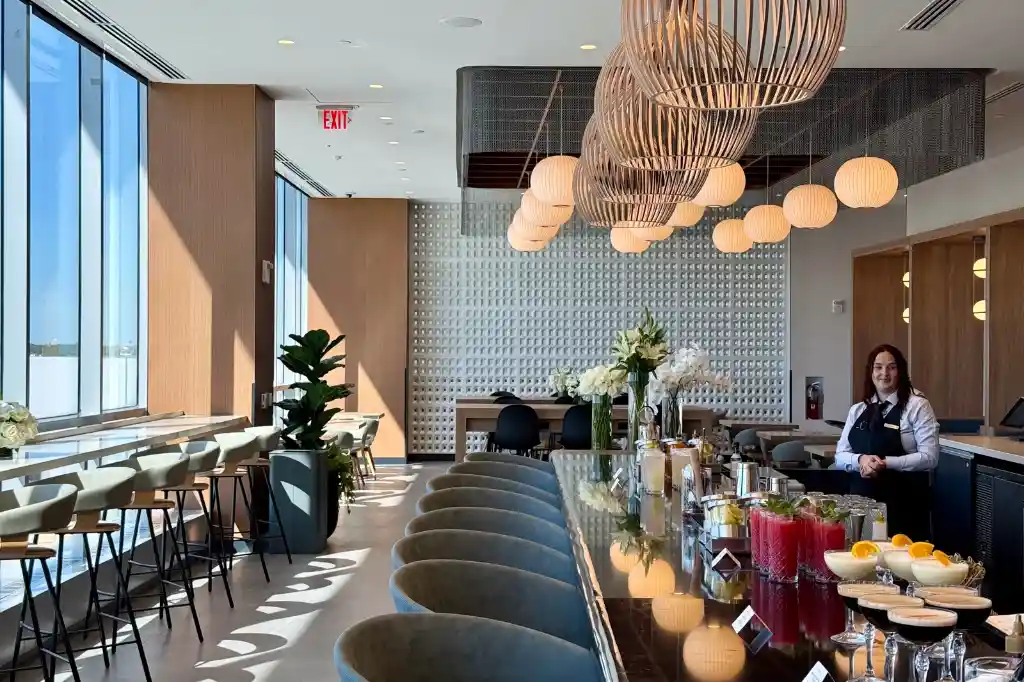
American Airlines is clearly chasing global parity with its premium ground services. From fine dining stations to high-end beverage offerings, the Flagship Lounge aims to match the prestige of international carriers like Qatar Airways, Lufthansa, or Cathay Pacific. The food selection includes freshly prepared meals and local specialties, while the bar features curated wines and top-shelf spirits, reinforcing the commitment to a five-star ambiance.
What sets the Philadelphia location apart is the attention to service delivery. Staff interaction is noticeably warmer and more proactive compared to other lounges in the system. Whether replenishing the buffet, assisting with seating, or offering personalized recommendations, team members convey a sense of pride and attentiveness — essential ingredients in any luxury experience.
Exclusivity at a Cost — And With Caveats
Access to the Flagship Lounge is tightly controlled. During the visit, signage at the terminal level made it clear: day passes were not accepted for either the Flagship Lounge or the neighboring Admirals Club. This restriction might disappoint casual travelers hoping to indulge in a one-off luxury experience, but it preserves the lounge’s exclusivity for long-haul business class passengers, oneworld Emerald and Sapphire elites, and select AAdvantage members.
That said, even qualifying travelers may find the lounge full at peak times. With no day-pass crowd to blame, the problem squarely lies in high elite traveler density and limited square footage. Until expansion plans materialize, this friction between exclusivity and accessibility is likely to persist.
Strategic Implications for American Airlines’ Lounge Network
The Philadelphia Flagship Lounge fits into a broader narrative: American Airlines is ramping up its premium ground experience as part of a larger competitive repositioning. The Flagship Lounge network — currently active in key hubs like JFK, LAX, MIA, DFW, and now PHL — is becoming the cornerstone of this strategy. By delivering upscale, high-touch environments, the airline hopes to retain high-yield international and transcontinental passengers.
Industry insiders suggest that further integration with Admirals Club spaces could allow American to expand capacity at Philadelphia. Similar to JFK, where an entire Admirals Club was repurposed into a larger Flagship Lounge, Philadelphia could follow suit if demand trends continue. The swing space concept offers immediate flexibility, but a structural expansion would better address long-term usage patterns.
A Welcome Addition With Growing Pains
Ultimately, the new Flagship Lounge in Philadelphia reflects American Airlines’ dual ambition: to delight its most loyal flyers while redefining its ground service identity. In many ways, it succeeds. The lounge is visually stunning, staffed with attentive professionals, and stocked with premium amenities that few domestic carriers can match. But for all its luxury, the persistent crowding — particularly during the crucial evening bank of international departures — remains a significant detraction.
For business travelers looking to unwind, international flyers seeking rest, or elite passengers in need of productivity space, the lounge delivers. Yet, its compact nature and operational quirks underscore a classic tension in hospitality: how to scale exclusivity.
Conclusion: A Step Forward With Room to Grow
Philadelphia’s new Flagship Lounge is undeniably a jewel in American Airlines’ premium crown. It exemplifies the future of upscale airline lounges in the United States — warm, welcoming, beautifully appointed, and rich in service culture. The champagne greeting is more than a flourish; it signals a shift toward authentic, luxury-focused experiences.
Still, as more elite travelers take to the skies post-pandemic, capacity management and strategic lounge planning will be essential. Until American Airlines addresses the overcrowding through spatial redesign or expanded real estate, the Philadelphia lounge will remain both a triumph and a cautionary tale in balancing exclusivity with demand.
For now, travelers lucky enough to find a seat can bask in one of the most polished, luxurious pre-flight experiences American Airlines has ever offered. Just don’t arrive too close to the evening rush — or that glass of champagne may come with a side of standing room.