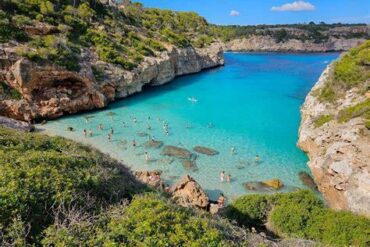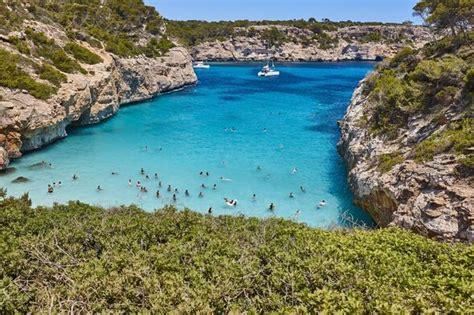
Once a hidden gem along Spain’s Balearic coast, Majorca’s Caló des Moro has now transformed into the epicenter of a growing tourist crisis. This idyllic cove, renowned for its crystal-clear waters and dramatic cliffs, is currently overwhelmed by thousands of daily visitors and over a thousand cars, far exceeding its natural capacity. With only enough space for one hundred beachgoers, the cove is buckling under the strain—facing severe environmental degradation, traffic chaos, and rising frustration among locals. As the island grapples with the consequences of mass tourism, residents and officials are calling for urgent action to save what remains of this once-pristine paradise.
A Paradise Under Pressure: Caló des Moro on the Brink
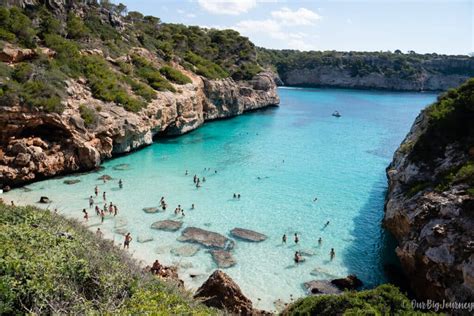
Caló des Moro, a postcard-perfect cove tucked away on Majorca’s southeast coast, stands at the heart of this latest overtourism controversy. Known for its turquoise waters and dramatic cliffs, the beach has become a favorite among social media influencers and summer holidaymakers. However, last summer, the tiny cove—designed to comfortably host no more than one hundred people at a time—was flooded with as many as four thousand visitors daily. Adding to the strain were over 1,200 cars jamming the narrow approach roads each day, creating a logistical and environmental nightmare.
From Secret Gem to Social Media Mayhem
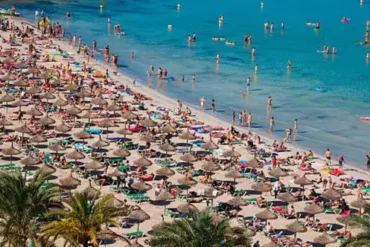
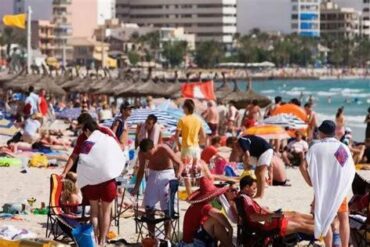
What was once a well-guarded local secret has now morphed into a global attraction, thanks in large part to viral Instagram and TikTok posts showcasing its natural beauty. However, the cost of this digital fame is now becoming painfully clear. Locals report damage to the fragile ecosystem, dangerous overcrowding, and an erosion of the tranquil atmosphere that once defined the area. With sunbathers squeezed shoulder to shoulder, and cars choking access routes, residents have described the situation as “unlivable.” Trash buildup, noise, and reckless behavior from tourists have all contributed to the deterioration of this once-pristine natural site.
Locals Fight Back: Protests and Movements Rise
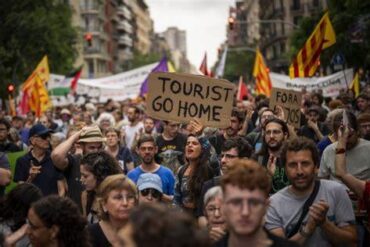
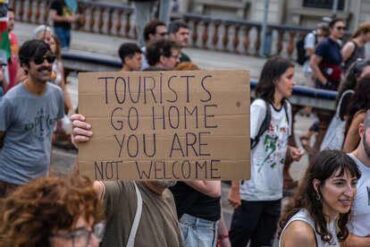
In response to what they see as a tourism strategy gone wrong, more than three hundred residents recently gathered at Caló des Moro in a peaceful demonstration organized by Mallorca Platja Tour, a grassroots campaign aimed at preserving the island’s coastal heritage. The protest sent a strong message to local authorities: residents want urgent change to protect their environment and quality of life. Protesters carried signs calling for limits on tourist numbers, better enforcement of conservation rules, and investment in sustainable tourism initiatives. The demonstration drew widespread support, especially from communities most affected by traffic congestion and property damage caused by unchecked tourism growth.
Officials Sound the Alarm: “Disastrous Strategy”
Majorca’s regional leaders are beginning to echo these concerns. A number of policymakers have publicly admitted that the current model of mass tourism is “disastrous” for the island’s long-term well-being. Some have even criticized past tourism strategies for prioritizing quantity over sustainability, ultimately risking the very appeal that draws visitors in the first place. The Balearic Islands government has already taken steps to impose new restrictions, including limiting vehicle access to certain beaches and increasing fines for illegal parking and environmental violations. However, many locals argue that these measures are not enough—and that deeper, structural reforms are needed.
Rethinking the Future of Tourism
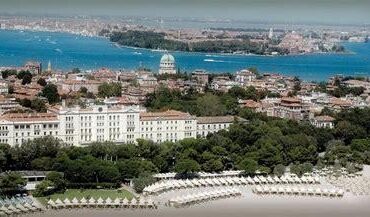
The crisis at Caló des Moro is a microcosm of a larger trend affecting not only Majorca but many European tourist destinations. From Venice to Dubrovnik, iconic cities and natural landmarks are straining under the weight of mass tourism. For Majorca, a shift toward quality over quantity may be the only sustainable path forward. This means encouraging off-season travel, investing in infrastructure that can handle larger crowds, and perhaps most importantly, promoting lesser-known areas to disperse tourist traffic more evenly across the island.
For UK travelers especially, it’s a call to be more mindful—not just of where they go, but how they go. Tourists Welcome—But Mindfully
Despite the growing pushback, locals are not rejecting tourism altogether. Majorca remains one of Europe’s top holiday destinations, and tourism is a key part of its economy. What residents want is a more respectful, sustainable form of travel that honors the environment and local way of life. UK tourists, who make up a significant portion of Majorca’s annual visitors, are being urged to research responsibly, avoid peak crowds, and support local businesses beyond the usual hotspots. Travel experts are also encouraging the use of public transport and eco-friendly accommodations to help reduce the island’s environmental footprint.
A Wake-Up Call for Summer 2025
As the island gears up for another busy season, this summer may serve as a pivotal moment. Whether it leads to meaningful change or more damage will depend on cooperation between government authorities, local communities, and travelers themselves. Majorca’s natural beauty is not infinite. Without urgent action and collective responsibility, even its most iconic beaches like Caló des Moro may be lost to the very phenomenon that made them famous.