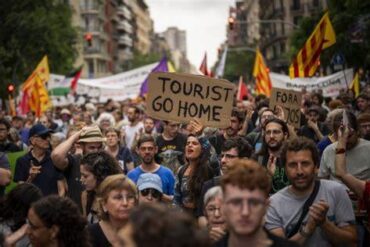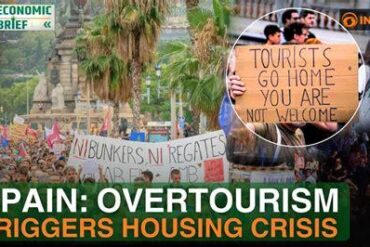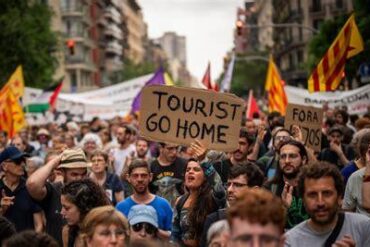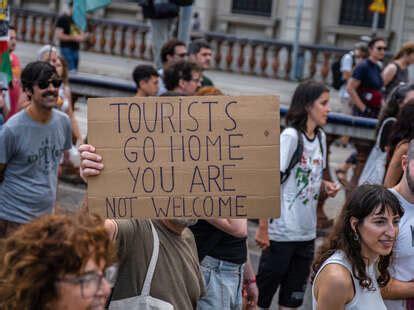
In recent years, tourism has been a vital pillar of the economies in Spain, Italy, and Portugal, drawing millions of visitors eager to experience the rich culture, history, and breathtaking landscapes these countries offer. However, a noticeable shift is occurring as residents express rising discontent over the consequences of this influx. The slogans like “Tourists go home” are not merely isolated cries from disgruntled citizens but rather indicators of a profound discontent that has reached a boiling point across Southern Europe. The once harmonious relationship between tourists and locals is now marred by issues of overcrowding, housing shortages, and the inevitable gentrification that often accompanies unchecked tourism growth.
The impact of tourism on local communities is increasingly evident, particularly in urban centers such as Madrid, Barcelona, Lisbon, and Rome. What were once welcoming cities have transformed into overcrowded hubs where residents face mounting challenges due to a surge in tourist activity. In neighborhoods like Lavapiés, just steps away from Madrid’s bustling main train station, the changes are stark. A decade ago, Lavapiés was a vibrant area known for its authentic bars, restaurants, and independent shops. Today, it stands as a shadow of its former self, overtaken by businesses catering exclusively to tourists, with prices soaring beyond what locals can afford. Restaurants that previously provided reasonably priced meals for residents now charge exorbitant rates to accommodate the ever-growing number of visitors. Moreover, new hotels, like the Ibis, advertise nightly rates fluctuating between €150 and €250, a dramatic increase compared to the previous decade.
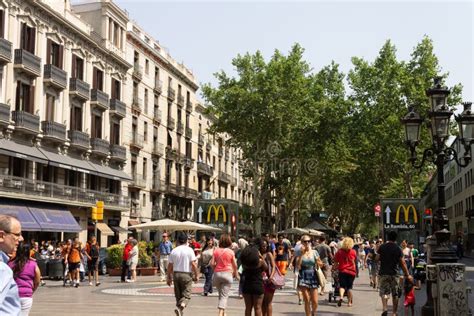
Many residential buildings that once housed working-class families are now being converted into Airbnb rentals or other forms of tourist accommodation. This phenomenon is not unique to Lavapiés; it echoes throughout similar neighborhoods across the continent. The rise of short-term rental platforms has significantly impacted housing availability, with countless flats—historically built for local workers—now listed at prices comparable to those found in wealthier districts of Madrid. The issue transcends mere presence of tourists; it is the unregulated proliferation of the short-term rental market that poses the most significant threat to local communities.
Tourists are often drawn to these accommodations for their flexibility and perceived cost-effectiveness. With hotel prices in Madrid typically starting at €100 per night, alternatives like Airbnb provide a more attractive option for budget-conscious travelers. However, this surge in demand for affordable lodging within residential neighborhoods has exacerbated the existing housing crisis, leading to a scarcity of affordable homes for local inhabitants.
The Role of Policy Failure and Economic Imbalance
The ongoing gentrification of areas like Lavapiés cannot be attributed solely to the choices made by tourists. Rather, it highlights a systemic failure of policy and economic imbalance. While the local government of Madrid has attempted to introduce regulations aimed at controlling rent prices and increasing housing supply, resistance from regional authorities, particularly those led by right-wing parties such as the People’s Party (PP), has stymied progress. A significant obstacle in addressing the housing crisis is the disconnect between national and regional policies concerning housing regulation. The PP-led regional government has consistently refused to designate certain neighborhoods as “high-tension zones,” which would empower city councils to implement necessary rent caps and restrictions on short-term rentals.
Despite the left-wing coalition government’s efforts to enact rent regulations, opposition from regional leaders continues to obstruct effective solutions. Furthermore, the Madrid city council, also under PP control, has approved amendments to urban planning regulations that facilitate the conversion of residential properties into tourist accommodations, thereby intensifying the housing shortage.
Tourist Flats: A Point of Controversy in Southern Europe
As tourism continues to flourish in Southern Europe, calls for stricter regulation of tourist flats are growing louder. Local residents and activists are increasingly advocating for a ban on unlicensed tourist rentals, especially in cities grappling with severe housing crises. There is a burgeoning recognition that short-term rentals significantly contribute to gentrification, pushing many residents out of historically affordable neighborhoods.
However, outright bans on tourist flats may not resolve the underlying issues. It is essential to understand that the rise of tourist accommodations cannot be divorced from the broader economic disparities plaguing these cities. While some advocate for stringent regulations on tourist properties, others argue that addressing the lack of affordable housing for both locals and tourists is equally critical. For instance, in Madrid, the absence of mid-range accommodations catering to budget tourists exacerbates the situation. Luxury hotels are increasingly replacing modest guesthouses that once welcomed middle-class travelers, further diminishing options for those seeking affordable lodging.
Should Tourists “Go Home”? The Dilemma of Modern Tourism
With rising tensions between locals and tourists, the question of whether tourists should “go home” or if it is possible to enjoy travel without exacerbating local issues is more pertinent than ever. Protests in major cities like Barcelona, Madrid, and Lisbon have featured slogans like “Tourists go home” painted on walls, and isolated incidents, such as the use of water pistols to deter tourists, have garnered international attention, highlighting the growing resentment among residents. Nevertheless, tourism remains an essential component of the economy in these regions, contributing approximately 12% of Spain’s GDP. The challenge lies in balancing the desire for tourists with the need to protect local communities from the detrimental effects of mass tourism.
Local governments must reassess and reformulate the current tourism model to prioritize the well-being of residents while still welcoming visitors. This includes not only implementing short-term fixes like rent caps but also addressing the deeper economic inequalities that have fostered gentrification and touristification.
The Role of Travelers in Sustainable Tourism
While the focus has largely been on policy reform and governmental action, travelers too play a crucial role in mitigating these issues. Embracing ethical tourism means making conscious decisions about accommodations, modes of transport, and the overall impact of one’s travel choices on local communities. Rather than opting for unregulated tourist apartments, travelers can choose to stay in accommodations that are part of the formal tourism infrastructure, such as regulated hotels or sustainable lodgings that contribute positively to the local economy.
Understanding the housing pressures faced by local residents can encourage tourists to behave more responsibly. Opting for less congested destinations or visiting during off-peak seasons can alleviate pressure on local resources. Additionally, travelers should consider staying in resort towns on the mainland instead of overcrowded urban areas or islands, where infrastructure is already stretched thin. Such conscious travel practices can help distribute the benefits of tourism more evenly, ensuring that less-visited regions also reap the rewards without becoming overwhelmed.
Concluding Thoughts: A Better Way Forward
As tensions between locals and tourists continue to escalate, the solution does not lie in completely abandoning tourism, but rather in rethinking how it is managed. Tourism undoubtedly plays a pivotal role in sustaining local economies, but it must be pursued sustainably and balanced with the needs of residents. The focus should shift toward developing a more equitable model that benefits both locals and tourists, preserving the character of cities while ensuring they remain affordable for their inhabitants.
Governments must take more decisive action to regulate short-term rentals and invest in affordable housing, while also creating a tourism model that encourages responsible travel. Concurrently, travelers must make informed choices and recognize the implications of their visits. Ultimately, the objective is to foster a tourism experience that supports local communities while maintaining the cultural and historical integrity of destinations. Only through collaboration between governments, businesses, and travelers can we pave the way for a future where tourism flourishes without jeopardizing the communities it relies upon.