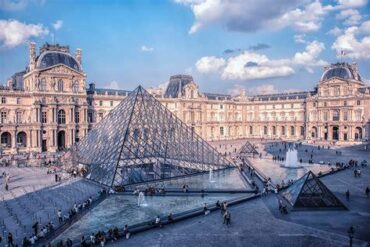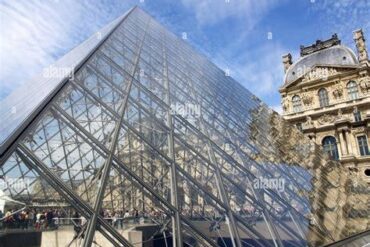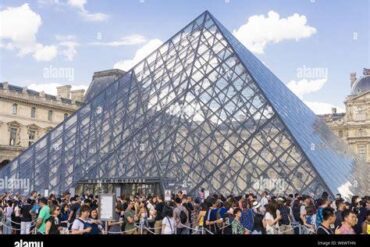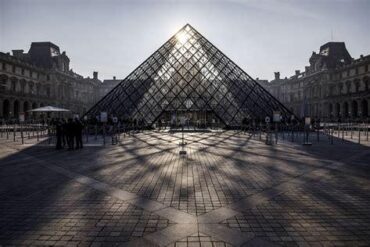
The Louvre Museum in Paris, renowned as the world’s most visited museum, has taken the drastic step of closing its doors to tourists due to overwhelming overcrowding. This unexpected closure not only disrupts the plans of countless visitors but also shines a glaring spotlight on a burgeoning crisis within the realm of global tourism and the pressures facing iconic cultural institutions. On June 16, thousands of tourists found themselves unable to experience the awe-inspiring art housed within the museum’s striking glass pyramid, as staff walked off the job to protest what they described as “unmanageable” working conditions exacerbated by soaring visitor numbers.
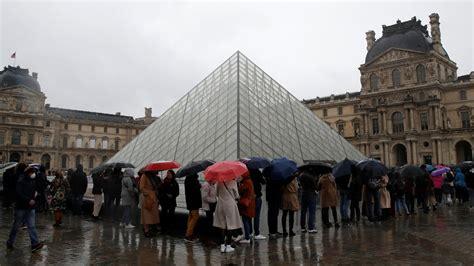
The situation escalated rapidly following a routine internal meeting that transformed into a walkout involving ticket agents, security personnel, and gallery attendants. Instead of immersing themselves in masterpieces such as the Mona Lisa, visitors were left stranded in long, immobile lines, a stark reminder of the challenges faced by both workers and guests alike. The strike was fueled by rising dissatisfaction among staff regarding unmanageable visitor volumes, deteriorating infrastructure, and an alarming lack of sufficient personnel to handle the influx.
The Louvre has been a beacon of culture and history, attracting millions of visitors each year. Last year alone, the museum recorded a staggering 8.7 million guests, a figure that far exceeds the capacity of its aging facilities. Staff members have reported that the daily grind has become both physically draining and mentally unsustainable. The pressures they currently face surpass those experienced during previous labor actions in 2013 and 2019, highlighting the escalating nature of the crisis.
Each day, approximately 20,000 people crowd into the Salle des États to catch a glimpse of the Mona Lisa. This scene, often chaotic and overwhelming, has transformed the museum into a pressure cooker. While da Vinci’s masterpiece remains securely behind glass, other significant works by artists like Titian and Veronese are frequently overlooked amid the chaos. The museum’s leadership has acknowledged the challenging environment, describing the Louvre as a “physical ordeal” for both employees and visitors. Internal communications revealed that many areas of the building are no longer watertight, while basic amenities like restrooms and signage fall significantly short of international standards. In the summer months, the iconic glass pyramid, initially designed to inspire awe, becomes increasingly unbearable, trapping heat and aggravating conditions within the museum.
In response to this crisis, the French government has announced the ‘Louvre New Renaissance’ plan, a monumental €700-800 million renovation initiative aimed at addressing the museum’s longstanding issues. This ambitious ten-year overhaul will focus on several key areas:
- Creating a dedicated space for the Mona Lisa with timed-entry tickets to mitigate overcrowding.
- Constructing a new entrance along the Seine River by 2031 to alleviate congestion at the existing entrance.
- Upgrading essential infrastructure to tackle leaks and improve temperature regulation throughout the building.
- Enhancing the overall visitor experience with better signage, restroom facilities, and climate control systems.
Funding for the project will derive from a combination of ticket sales, private donations, state support, and revenue generated from the Louvre Abu Dhabi. Additionally, it has been announced that ticket prices for non-EU tourists will rise later this year, a move that has stirred further debate among stakeholders. However, for museum workers, this long-term solution feels too distant. Their immediate concerns revolve around ongoing staffing shortages, unsafe working conditions, and the exhaustion resulting from the intense daily demands placed upon them. They argue that a ten-year plan does little to address the urgent challenges they encounter on a daily basis.
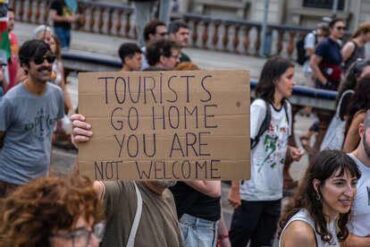
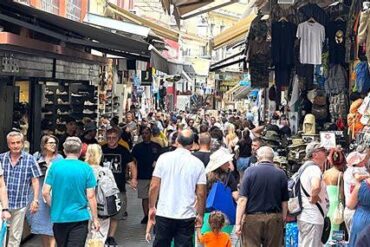
This unexpected closure of the Louvre underscores a growing issue that is affecting global heritage sites across the world. From Venice’s tourist taxes to visitor limits at the Acropolis, iconic destinations are grappling with the consequences of mass tourism. The Louvre, in particular, has become emblematic of overtourism, where immense demand collides with the limits of existing infrastructure and resources. Despite a daily visitor cap of 30,000, staff members assert that the current state of the museum is unsustainable. Overcrowding, long lines, insufficient rest areas, and outdated facilities are just a few visible symptoms of deeper operational failures.
This unprecedented closure marks a significant moment in the storied history of the Louvre Museum. While the museum has faced closures in the past—due to wars, the COVID-19 pandemic, and previous strikes—this particular shutdown is unlike any other. The sudden and public nature of the closure has not only disappointed tourists but has also sparked critical conversations about the value of cultural workers and the immense pressure to preserve historic landmarks. Whether this crisis will catalyze significant changes in the management of global heritage sites remains uncertain. For now, the Louvre stands as both a symbol of art and history and a poignant case study on the necessity for museums to evolve and adapt to the realities of modern tourism.
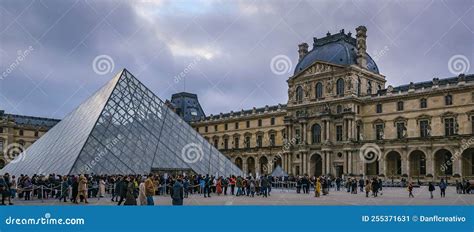
As the conversation surrounding overcrowding continues, it becomes imperative for cultural institutions like the Louvre to rethink their approach to managing visitor traffic. Innovations in ticketing, visitor education, and infrastructure improvements are essential steps towards fostering a sustainable balance between accessibility and preservation.
The future of the Louvre Museum rests not only on its ability to manage crowds effectively but also on its commitment to providing a safe and enriching experience for all who walk through its doors. As we navigate this new era of tourism, it is crucial to recognize the importance of supporting both the art and the individuals who dedicate their lives to protecting and sharing it with the world.