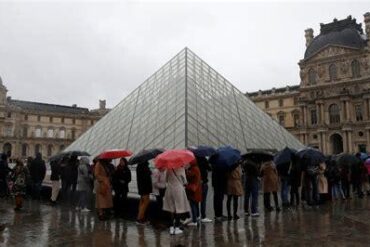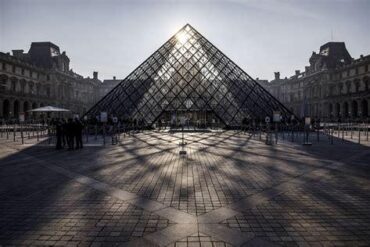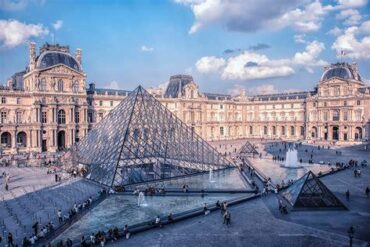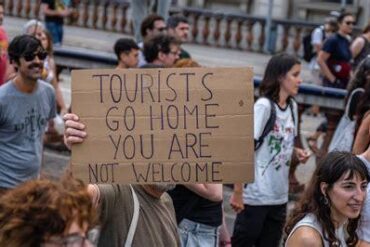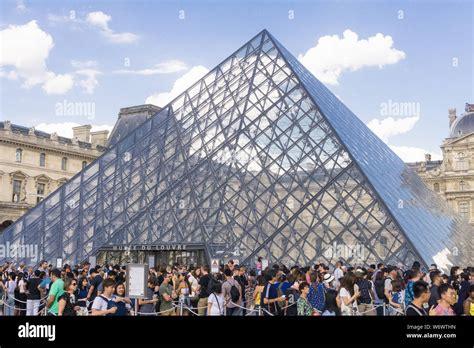
The Louvre Museum, one of the most iconic cultural institutions in the world, recently faced a significant crisis that has raised urgent questions about the sustainability of cultural tourism. On June 16, 2025, the museum experienced an unprecedented standstill as its employees staged a full-scale walkout, leaving thousands of visitors stranded outside the renowned glass pyramid. This unexpected disruption was not merely a labor dispute; it was a culmination of mounting pressures stemming from overtourism—a phenomenon that has increasingly burdened this Parisian masterpiece and its staff.
As the heart of France’s art and culture, the Louvre has long been a magnet for travelers from around the globe. With over 8.7 million visitors recorded in 2023 alone, the sheer volume of foot traffic has overwhelmed both the museum’s physical infrastructure and its workforce. Despite capping daily admissions at 30,000, many employees reported that this number no longer aligns with the building’s true capacity. Stifling heat, inadequate ventilation, and insufficient restroom facilities compounded the discomfort for both guests and staff, transforming what should have been a routine day into a chaotic scene of frustration and unrest.
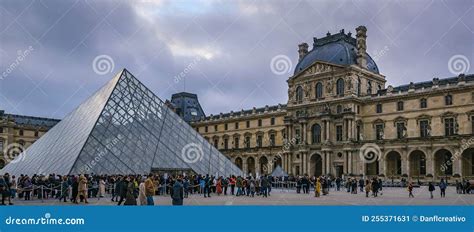
The employees’ grievances reflect a deeper issue: the museum’s aging infrastructure is not equipped to handle the modern onslaught of tourists. Reports indicated that some areas of the museum were literally falling apart, leading to a hazardous environment for both visitors and staff. What began as an internal discussion about work conditions escalated into a full-blown strike, highlighting the urgent need for improvements and better support for those who maintain the institution.
The Ripple Effect on the Travel Industry
The abrupt closure of the Louvre sent shockwaves through the global tourism industry, signaling a critical turning point for destinations reliant on cultural icons. The implications of this event reach far beyond the Louvre itself, exposing three glaring weaknesses within the heritage tourism sector:
- Capacity control must evolve: The existing model of static visitor limits is inadequate. A more dynamic, demand-based approach is essential to manage visitor flow effectively.
- Tourism workers are overburdened: The burnout among staff is rising, which threatens not only their performance but also the safety and satisfaction of guests.
- Historical sites require reinvestment: Many celebrated landmarks, including the Louvre, have not received necessary upgrades, rendering them ill-equipped for current demands.
For those managing major attractions, this incident underscores the necessity for forward-thinking policies. The future will likely see an emphasis on facility improvements, enhanced employee training, and the implementation of technology-driven visitor management systems, all aimed at maintaining quality while accommodating larger crowds.
The Traveler’s Perspective
For travelers, the Louvre’s recent turmoil serves as a cautionary tale. Many had eagerly awaited the opportunity to witness masterpieces like the Mona Lisa or explore the museum’s expansive collections, only to be turned away without warning. This disruption is not an isolated incident; rather, it signals a potential new reality at prominent cultural destinations worldwide. In response, travelers can expect a range of changes:
- More timed ticketing systems and entry quotas to better manage flow.
- Possible price surges during high seasons as demand continues to exceed supply.
- A growing emphasis on responsible tourism, with travelers increasingly seeking transparency regarding how institutions treat their employees and protect cultural heritage.
Additionally, airports, hotels, and tour operators will need to adapt by offering improved communication and flexible service recovery plans in light of such unpredictable events. The landscape of global travel is shifting, and understanding these dynamics will be crucial for future travelers.
Overtourism: A European Challenge
The challenges faced by the Louvre are part of a broader reckoning across Europe, where tourism saturation has led to significant backlash in numerous iconic cities. From Venice to Barcelona, and even the Acropolis in Greece, governments and communities are pushing back against the strain that mass tourism inflicts on local cultures and infrastructures. Venice, for instance, has introduced entry fees for day visitors, while the Acropolis has implemented strict hourly caps on guest numbers. Such measures underscore a growing demand for sustainable tourism practices that do not compromise the quality of life for residents or the preservation of historic landmarks.
In the post-pandemic landscape, travel rebounded with vigor, yet the strain on physical spaces and the personnel who manage them has become increasingly apparent. The notion that an influx of tourists automatically translates to positive outcomes is quickly fading.
Strategic Implications for the Future of Travel
The global tourism industry now finds itself at a pivotal crossroads. The lessons learned from the Louvre’s recent strike are clear: continuing down the current path will inevitably lead to further unrest, shutdowns, and disillusioned travelers. It is imperative for stakeholders in the travel sector to:
- Balance economic gain with local quality of life: Tourism should enrich rather than detract from the communities that host it.
- Create meaningful, high-quality experiences that do not rely solely on volume.
- Place employee welfare at the center of operational planning, recognizing that happy staff contribute to happier guests.
Travel is not merely about movement; it embodies a deeper relationship between guests and hosts, as well as between preservation and access. A new tourism model must prioritize cooperation, regeneration, and balance, ensuring that the cultural treasures we cherish are preserved for future generations.
Conclusion: A Call to Action
The events of June 16 at the Louvre served as more than just a momentary disruption; they acted as a symbolic alarm bell. This incident illustrates that even the most treasured cultural landmarks cannot withstand endless crowds without consequences. As global travel continues to rise, so too must our standards for sustainability, human-centered policies, and smart infrastructure. The future of travel may increasingly hinge on how consciously we choose to experience the world, rather than merely how far or how fast we go.
The Louvre incident, akin to a crack in a masterpiece, invites us all to reconsider our values when we travel: not only access to culture but also the imperative to protect it.