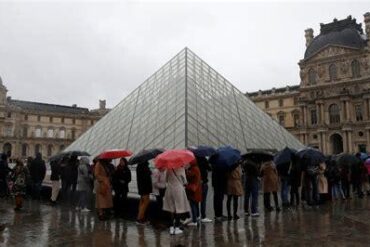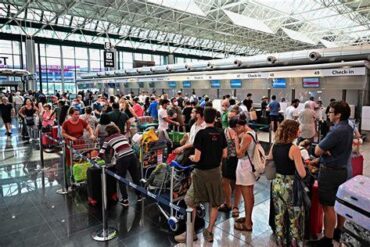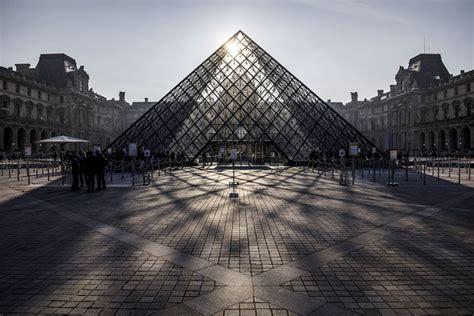
On a sweltering Monday in Paris, the heart of the global art world came to an unexpected standstill. The Louvre Museum, home to the Mona Lisa, Venus de Milo, and thousands of irreplaceable masterpieces, abruptly closed its doors as staff launched a spontaneous strike. The walkout, driven by grievances over overcrowding, understaffing, and worsening working conditions, left thousands of tourists stranded, highlighting not just the challenges within the museum’s walls, but a growing continental backlash against overtourism.
Louvre Staff Strike Over Overcrowding and Unsafe Working Conditions
The closure of the world’s most visited museum is not merely an operational hiccup—it is a clarion call echoing years of suppressed frustrations. Employees from security, ticketing, and maintenance units banded together in a unified strike, citing a collapse in the operational integrity of the Louvre under the weight of unsustainable visitor volumes.
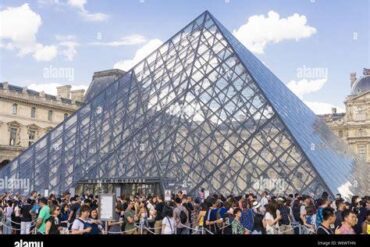
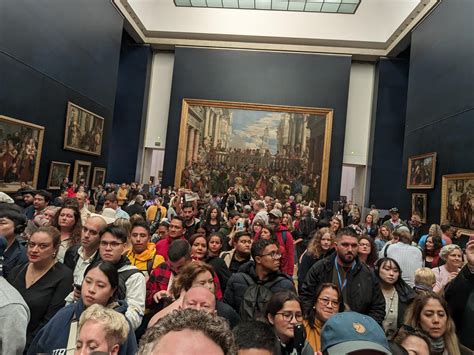
At the core of the staff’s demands lies the Salle des États, the compact gallery that houses Leonardo da Vinci’s Mona Lisa. Despite the Louvre’s official capacity of 30,000 visitors per day, up to 20,000 tourists routinely cram into this one room alone. Staff report dangerous crowd surges, intense heat, and inadequate emergency infrastructure.
“Working here is like being in a cultural pressure cooker,” a Louvre employee told the Associated Press, describing days filled with relentless crowds and inadequate ventilation. The museum, designed centuries ago and expanded under vastly different visitor expectations, is struggling to meet today’s operational demands.
Infrastructure Decay Threatens Priceless Art
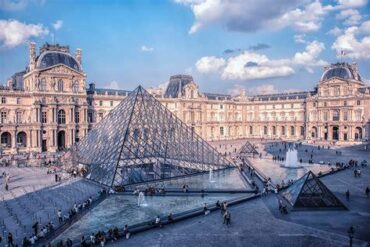
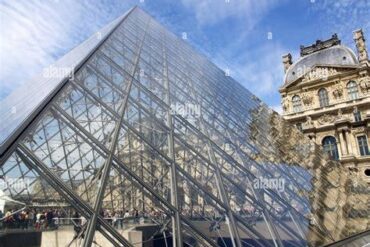
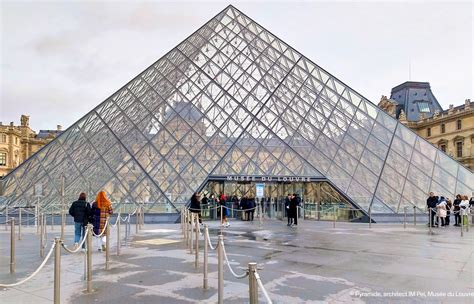
Beneath the shimmering glass pyramid of I. M. Pei, the museum’s internal state has quietly deteriorated. In a confidential memo, Louvre President Laurence des Cars warned that parts of the building are no longer watertight, raising alarm over water damage and fluctuating temperatures threatening invaluable works of art.
This memo comes just as France embarks on its most ambitious museum renovation in decades. Announced by President Emmanuel Macron in 2023, the €700–800 million ‘Louvre New Renaissance’ restoration project aims to rejuvenate infrastructure over the next ten years. The plan includes a new Mona Lisa gallery, a second visitor entrance near the River Seine, and updated environmental controls. But for staff bearing the brunt of immediate challenges, the improvements remain a distant promise.
Anti-Tourism Unrest Ripples Across Europe
The Louvre strike is not an isolated disturbance—it is a potent symbol within a broader, pan-European anti-tourism protest movement. From Barcelona to Lisbon, and Palma de Mallorca to Venice, residents have taken to the streets to protest the overwhelming effects of mass tourism on urban life.
In Barcelona, demonstrators equipped with water pistols have staged symbolic acts urging authorities to “cool down” the intensity of tourism. Protesters have marched through historic centers with mock coffins and rolling suitcases, lamenting the death of authentic local culture. Blockades of tour buses, sit-ins at popular beaches, and clashes with authorities have become common.
Crucially, these protests are not targeted at tourists themselves but at government policies and private interests that prioritize tourist revenue over community well-being. French cultural workers, including Louvre staff, echo this sentiment: their strike is not anti-visitor, but a direct indictment of the French government’s chronic underfunding of cultural institutions.
Shrinking Budgets and Growing Pressures on French Heritage Sites
According to union representatives, funding for the Louvre has dropped by over 20% over the past decade, even as attendance figures have climbed. In contrast, institutions like Notre-Dame and the Centre Pompidou have received more consistent state support. The Louvre’s heavy dependence on ticket sales, private donors, and partnerships like Louvre Abu Dhabi have left it financially vulnerable.
Workers are also deeply frustrated with what they describe as symbolic exploitation of the Louvre by political elites. From Macron’s 2017 victory speech to his Olympic announcements, the Louvre has repeatedly been used as a photogenic stage for national events, while its basic operational needs remain unmet.
The disparity between the Louvre’s prestige and its practical neglect has bred resentment. Union leaders argue that the museum has become a “victim of its own fame,” stuck between its status as a global icon and its reality as a dysfunctional workplace.
An Uncertain Timeline for Reopening
A partial reopening is projected for Wednesday, with a limited route—dubbed the “masterpieces path”—granting access to highlights such as the Winged Victory of Samothrace, Mona Lisa, and Venus de Milo. However, the museum will remain closed on Tuesday, a routine closure day, pushing the full return to operations further into the week.
Tourists who planned trips months in advance expressed both frustration and solidarity. “We understand why they’re striking,” said Carla Munoz, a Chilean tourist. “But it’s sad to come all the way and not see the Louvre.” The juxtaposition of global anticipation with operational chaos encapsulates the broader crisis facing iconic destinations.
A Fragile Balance Between Access and Preservation
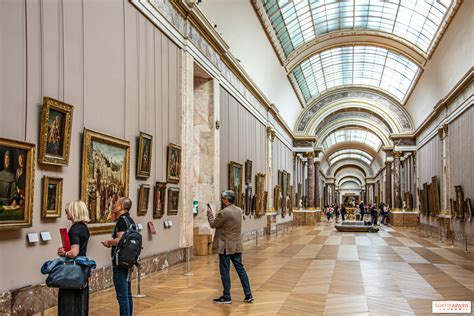
The Louvre strike forces a difficult conversation: How should societies balance cultural access with preservation, sustainability, and human dignity? The idea that cultural institutions must serve global tourism without regard for the toll on workers and local ecosystems is increasingly untenable.
As part of its 10-year plan, the Louvre is also considering visitor caps, timed entry slots, and a diversified calendar that encourages off-season tourism. These strategies mirror tactics already employed in cities like Venice, which recently instituted entrance fees for day-trippers.
While such measures may reduce pressure, they also bring complexity and inequality—raising questions about who gets access to culture and at what cost. Some experts suggest that embracing virtual experiences, decentralized exhibitions, and mobile collections may help alleviate the burden on physical sites.
Lessons from the Louvre’s Crisis for Global Tourism Policy
The events at the Louvre mark a watershed moment. In a world grappling with climate change, urban congestion, and post-pandemic shifts in mobility, tourism policies must evolve. The strike’s message is clear: Cultural institutions are not infinite wells of hospitality—they are fragile, human, and in desperate need of support.
What unfolds at the Louvre over the coming weeks will shape not only French heritage policy but also broader debates about how nations manage their cultural capital. Will governments respond with investment and reform, or continue to stretch their museums to breaking point?
Until then, the image of tourists gathered at locked iron gates beneath the glittering Louvre pyramid stands as an ironic monument—a symbol of modern tourism’s contradiction: global reverence without local respect.