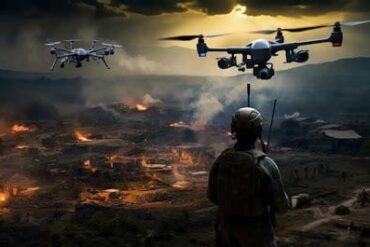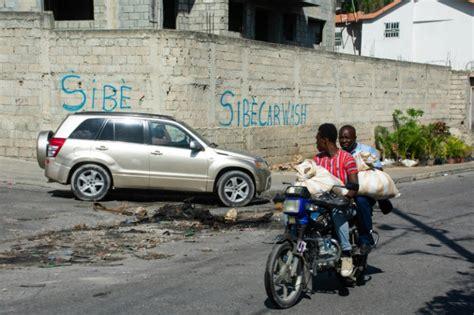
In the shadow of Port-au-Prince’s crumbling institutions, a desperate and controversial solution is unfolding: Haiti’s government has begun deploying weaponized drones to combat the increasingly emboldened and organized gangs that control much of the capital. As the nation’s fragile sovereignty teeters on the brink of collapse, the use of militarized unmanned aerial vehicles signals a radical shift in tactics, drawing global attention, scrutiny, and alarm.
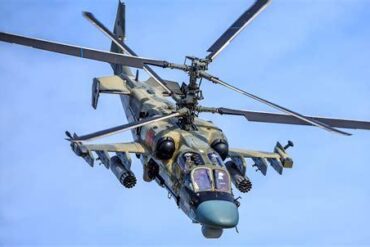
The footage, briefly shared and quickly removed by Haitian police, revealed drone-mounted weaponry targeting suspected gang hideouts. Explosions lit up the dense neighborhoods controlled by the gangs, footage many believe was meant to intimidate and signal a new era of warfare within the nation’s borders. The operation’s clarity and sophistication hint at external involvement, and reports now indicate that Eric Prince, the founder of Blackwater, may be orchestrating this clandestine campaign.
The Return of Eric Prince: Private Military Force in Haiti
The involvement of Eric Prince, a name synonymous with the privatization of war, adds a volatile new dimension to Haiti’s unraveling crisis. According to the New York Times and corroborated by U.S. and Haitian officials, Prince has signed a covert agreement to support Haitian authorities in dismantling the armed gangs. While details remain shrouded in secrecy, what is known is that Prince is recruiting Haitian-American military veterans and potentially foreign mercenaries to participate in these drone operations.
This marks a significant turn in global conflict engagement. Rather than relying on national military forces or international peacekeepers, Haiti is effectively outsourcing its war to private contractors, a strategy rife with legal and ethical concerns. Prince’s legacy with Blackwater, particularly its actions in Iraq, looms large and fuels fears of unchecked violence and minimal accountability.
Drone Warfare in Urban Civilian Zones
The deployment of drones in dense, impoverished neighborhoods raises serious questions about precision and civilian safety. The video posted—then quickly removed—by Haitian police may have shown gang targets, but human rights groups are voicing alarm over the lack of transparency. Without confirmation of specific high-value targets, and with no public accounting of collateral damage, critics warn that indiscriminate strikes could further inflame public outrage and trauma.
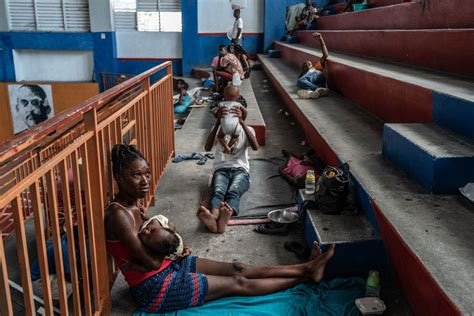
Despite these warnings, many Haitians—particularly those fleeing from gang-dominated zones—see the drone operations not as a human rights crisis, but as a desperate, last-ditch attempt to reclaim their communities. In the northern districts, thousands of displaced families are escaping southbound violence, hoping that someone—anyone—can push back the armed militias.
International Paralysis and Abandoned Promises
As Haiti plunges deeper into chaos, the international community remains largely inactive. The UN Security Council meets in closed sessions, but there’s been little movement toward deploying a new peacekeeping force. Past experiences with UN troops, particularly scandals involving abuse and cholera outbreaks, have left scars and hesitation.
Even regional efforts have stalled. The much-discussed Kenyan-led international force, once hailed as a hopeful intervention, has gone dormant. Multiple Caribbean nations have since withdrawn support, citing logistical challenges and political concerns. U.S. Senator Marco Rubio has called for more decisive action from the Organization of American States, but beyond rhetoric, there has been no commitment of material resources.
This diplomatic vacuum has left Haiti’s interim government with limited options. Turning to private military contractors like those under Eric Prince’s direction is a reflection of that desperation. The country, battered by corruption, economic stagnation, and relentless gang warfare, is witnessing the complete erosion of its national law enforcement capabilities.
The Drone Strategy: Tactical Success or Strategic Gamble?
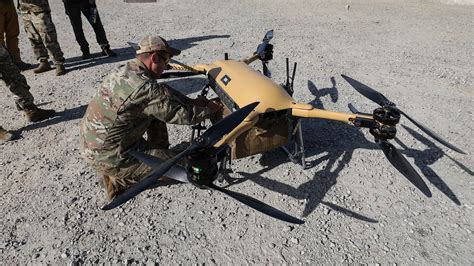
From a tactical standpoint, armed drones offer several advantages in Haiti’s urban conflict: the ability to strike without risking soldiers, low operational costs, and a powerful psychological effect on adversaries. But urban warfare with drones is notoriously imprecise, particularly when combatants operate from within civilian populations.
There are also significant concerns about the long-term impact of such tactics. Unlike conventional armies, gangs in Haiti are entrenched in local communities, often offering services or protection in the absence of government. A drone strike might eliminate a gang leader, but it also risks creating martyrs and strengthening recruitment drives.
Moreover, drones do not solve the underlying socioeconomic drivers of gang proliferation—poverty, unemployment, political instability, and corruption. As long as these conditions persist, military solutions alone will be insufficient to restore peace and order.

Blackwater’s Shadow: Lessons From the Past
The decision to bring Eric Prince back into the arena of conflict resolution cannot be divorced from his company’s notorious past. Blackwater’s involvement in the 2007 Nisour Square massacre in Baghdad, where 17 civilians were killed, remains one of the most infamous examples of private military abuse.
In this context, Prince’s reappearance in Haiti triggers justified skepticism. How are rules of engagement defined? Who ensures accountability? Is there a chain of command subject to civilian oversight? These are not minor questions in a nation where the rule of law is already severely weakened.
Haiti risks repeating the mistakes of conflict outsourcing, wherein short-term tactical victories may lead to long-term strategic failures. The presence of foreign mercenaries—no matter how skilled—could deepen distrust among Haitians toward their own government and exacerbate tensions within already volatile neighborhoods.
A Nation on the Brink of Collapse
This dramatic turn toward militarized drones and private armies is not happening in a vacuum. Haiti is in the throes of a multifaceted humanitarian disaster. More than one million people are displaced due to gang violence. Food insecurity now affects over half the population. Hospitals and schools in gang-controlled zones remain shuttered, and supply chains are severed.
The state apparatus is barely functioning. Judicial systems are paralyzed, and police forces are outgunned and overwhelmed. For the average Haitian, the drone strikes are only the latest chapter in a long saga of abandonment and improvisation. What was once a political crisis has evolved into a full-scale societal collapse.

The Ethical and Strategic Crossroads Ahead
Haiti’s pivot to armed drones and private military support is uncharted territory for a nation of its size and economic status. The short-term gains—eliminating gang leaders, disrupting supply lines, creating fear among militias—are real. But they come at the price of international condemnation, potential human rights violations, and deeper alienation from democratic norms.
The world must grapple with difficult questions: Should a collapsing state be permitted to wage drone warfare in its own cities? What happens when private actors with histories of abuse are brought in to enforce order? And where does accountability lie in such murky waters?
Unless accompanied by a robust political strategy, humanitarian support, and international engagement, drone warfare could ultimately backfire, embedding violence more deeply into Haitian society. The use of technology and mercenaries without transparent oversight might win battles—but it won’t win peace.
Conclusion: War Without Governance Is a Warning to the World
The Haitian crisis, now marked by the use of weaponized drones and private armies, is a stark warning about the consequences of international neglect. The country’s descent into warlordism did not happen overnight. Years of failed aid, foreign intervention missteps, and weak institutions have brought Haiti to this precipice.
As drones buzz over Port-au-Prince and displaced families seek refuge in the north, the country’s fate hangs in balance. What happens next will depend not just on firepower, but on the will of the international community to engage meaningfully with a nation long treated as a geopolitical afterthought.
Haiti does not need more mercenaries—it needs a plan for rebuilding trust, institutions, and hope. Without that, the drones may silence gunfire, but not the underlying chaos.