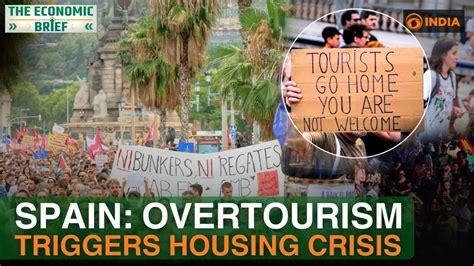
Southern Europe is experiencing a surge in anti-overtourism protests as residents of Spain, Portugal, and Italy rally against an escalating housing crisis fueled by mass tourism. In iconic cities such as Barcelona, Venice, Lisbon, and Ibiza, where tourism significantly contributes to the economy, locals are increasingly pushing back against soaring rents, limited housing availability, and the transformation of neighborhoods into tourist-centric zones. Protesters argue that short-term rentals, luxury hotel developments, and unchecked visitor inflows are driving up living costs and displacing long-term residents, sparking a region-wide demand for more sustainable tourism policies that protect local communities.
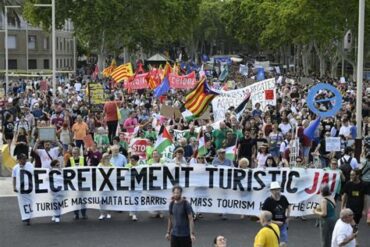
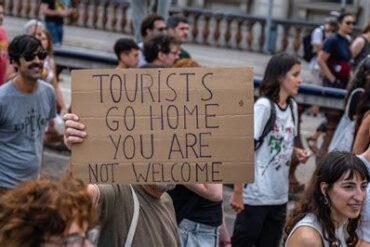
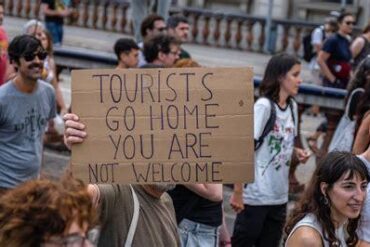
Cities across Southern Europe have erupted in coordinated protests as thousands of demonstrators took to the streets in Spain, Portugal, and Italy to voice their frustrations over rising housing costs, overcrowded neighborhoods, and the erosion of local identity. From the bustling boulevards of Barcelona to the historic canals of Venice, a continent-wide outcry challenges the sustainability of modern tourism. On a recent Sunday, red smoke drifted across the front of a central hotel in Barcelona, where protesters armed with flares, firecrackers, and water pistols staged a visually dramatic protest. Demonstrators temporarily blocked access to a popular accommodation, chanting slogans such as “tourists go home” as they criticized the city’s overreliance on foreign visitors.
The protest in Barcelona marked one of the most prominent examples of this movement, with activists strategically targeting high-profile tourist zones like the upscale shopping avenue Paseo de Gracia. Participants highlighted the human cost of the tourism boom, holding signs that detailed the stark contrast between incomes and housing expenses. One placard displayed a resident’s reality: living in a micro-flat of just 23 square meters while paying over seven hundred euros in monthly rent. This event was not isolated. The synchronized wave of protests signaled a pivotal shift, with cities throughout Southern Europe rallying together under the SET alliance—an initiative known as Southern Europe Against Touristification. This alliance brings together advocacy groups and residents from multiple countries who argue that urban tourism is not merely a cultural issue but a social and economic emergency that pushes residents out of their own communities.
In Spain, protests extended beyond Barcelona, reaching cities like Granada, Palma, and Ibiza, each highlighting unique yet interconnected grievances. On the island of Ibiza, demonstrators flooded the town center to protest against the lack of adequate housing caused by mass tourism. Many residents reportedly live in caravan parks or improvised settlements due to being priced out of conventional accommodation. Portugal also saw passionate demonstrations, particularly in its capital city, Lisbon. Organizers staged a symbolic procession where an effigy of a historic religious figure was “evicted” from a church and transported to the site of a planned luxury hotel, underscoring the perceived sacrilege of replacing cultural heritage with commercial tourist development.
In Italy, demonstrations emerged across several major cities, including Venice, Genoa, Palermo, Milan, and Naples, reflecting widespread public frustration with the effects of overtourism. Venice, long a global symbol of both tourism allure and its consequences, hosted what initially appeared to be a subdued action. Organizers unfurled banners in select locations across the city, reinforcing their call for immediate policy changes to stem the tide of tourism-related displacement.
The growing momentum of this movement reflects mounting data behind the discontent. In Barcelona, a 2023 citywide survey revealed that over thirty percent of residents believe tourism is actively harming the city—the highest level of concern recorded to date. Graffiti with slogans such as “Tourists go home” has become increasingly visible, and public spaces such as the local tourism agency headquarters were targeted with messages tied to the protests. In response to this mounting pressure, Barcelona’s local government announced a bold step: it will phase out short-term rental licenses entirely by 2028. This decision follows a sharp rise in housing costs, with rents increasing by sixty-eight percent over the past decade and property purchase prices rising by thirty-eight percent. City leaders argue that reducing the number of tourist accommodations will help restore balance in the housing market, making urban centers more livable for long-term residents.
Tourism currently accounts for roughly fifteen percent of Barcelona’s gross domestic product, and officials are now tasked with finding ways to reduce economic dependence on visitors while preserving local welfare. The move has ignited widespread discussion among industry stakeholders and prompted varying responses across the commercial tourism sector. A top executive from a major short-term rental platform countered the move, stating that such platforms can actually help distribute visitors across less congested areas of cities, thereby relieving pressure on historic centers. According to this viewpoint, the solution lies in strategic tourism management rather than outright bans.
Despite diverging opinions on solutions, what unites many European residents is a shared sense of urgency. They argue that unchecked tourism growth is hollowing out their cities. Streets that once buzzed with neighborhood culture now pulse with seasonal visitors, grocery stores have been replaced by souvenir shops, and traditional apartments are often unavailable to locals due to their conversion into holiday rentals. In Ibiza, the crisis has escalated to the point where long-time residents now face living conditions previously associated with extreme poverty. Accounts of individuals and families residing in informal campsites have become increasingly common as locals scramble for alternatives amid escalating prices and dwindling availability.
In Venice, the impact of overtourism is especially stark. The city has implemented various crowd-control measures in recent years, including entry restrictions and day-trip taxes; however, activists argue these measures are insufficient and fail to address the root cause of the problem: prioritization of tourists over long-term residents in urban planning. Lisbon’s protests mirrored this concern. As Portugal’s capital becomes a rising star in European tourism, especially among digital nomads and remote workers, traditional communities are feeling the pressure. Historic buildings are being repurposed into boutique hotels or luxury accommodations, often without sufficient regard for how these changes affect long-term residents.
The coalition of protestors across Southern Europe is becoming more sophisticated in its approach. Beyond spontaneous marches, the SET alliance is promoting sustainable tourism strategies, encouraging cities to reimagine their economies beyond the visitor industry. Proposals include incentives for affordable housing, stricter regulations on rental properties, and urban development that prioritizes cultural preservation. Public support for these movements appears to be rising. Increasingly, locals are speaking out on social media, joining town hall discussions, and supporting new policies that promise to bring tourism under democratic control.
The sentiment is not necessarily anti-tourism, but rather anti-imbalanced tourism—a call to realign priorities so that visitors do not displace the very communities they come to admire. While governments weigh their responses, one thing is clear: the debate over overtourism is no longer a fringe issue. It has become a central topic shaping political discussions in Spain, Portugal, and Italy, driving changes in local government priorities and sparking national conversations on housing policy.
The weekend’s protests mark a pivotal moment for Southern Europe’s cities. As travelers return in record numbers post-pandemic, the tension between economic gain and social cost is intensifying. Cities that once marketed themselves as idyllic escapes for the world must now answer to their own residents who are demanding livable, inclusive, and affordable urban futures. The question moving forward is whether European cities will heed the calls for transformation—or allow tourism to continue unchecked at the expense of the people who call these destinations home.
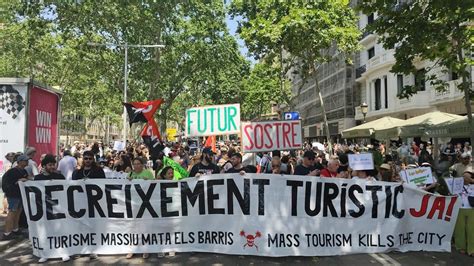
Spain, Portugal, and Italy are witnessing soaring anti-overtourism protests as residents in capitals like Barcelona, Venice, Lisbon, and Ibiza demand drastic action against surging rents from mass tourism and the ensuing lack of living spaces. Residents protest their cities are becoming unlivable due to irresponsible numbers of tourists and seasonal rentals. The rising tide of anti-overtourism demonstrations across Southern Europe highlights the widening gap between tourism’s economic gains and the growing social and cultural burdens endured by local communities. With coordinated actions in cities from Barcelona to Lisbon and Venice, the call for balanced, sustainable tourism is louder than ever. Policymakers, urban planners, and tourism boards are now under pressure to shift the narrative from unlimited growth to equitable cohabitation, ensuring that these historic and vibrant cities remain places to live—not just to visit.