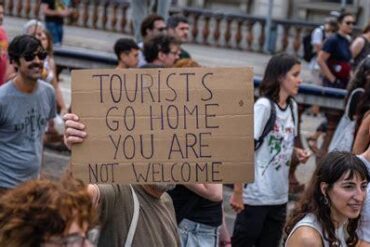
As international travel rebounds post-pandemic, Europe’s most iconic destinations are grappling with a burgeoning crisis known as overtourism. The influx of tourists in cities like Barcelona, Venice, Lisbon, and Palma de Mallorca is not merely a sign of a thriving tourism economy; it is a warning signal that the infrastructure and quality of life in these locales are being stretched to their limits. The UN World Tourism Organization (UNWTO) has forecasted an additional 3-5% increase in international tourist arrivals for 2025, following the staggering 1.4 billion visitors recorded in 2024. As these cities face the ramifications of this rapid growth, protests are erupting, signifying a growing backlash from residents who feel overwhelmed by the sheer volume of visitors.
In Barcelona, known for its stunning architecture and vibrant culture, demonstrators have taken to the streets to express their frustrations over the negative impacts of mass tourism. Protests have become increasingly creative and symbolic, with locals employing water guns to spray tourists, a striking visual representation of their discontent. This particular protest, which took place in early June 2025, highlights the tensions stemming from rising housing costs, affordability issues, and the overall degradation of local quality of life. Residents argue that the surge in short-term rentals, particularly those listed on platforms like Airbnb, is contributing to skyrocketing property prices, effectively pricing out locals and transforming entire neighborhoods into what they perceive as tourist ghettos.
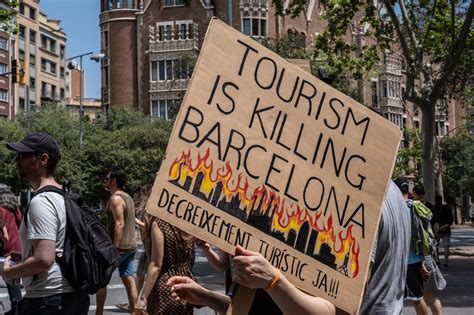
Palma de Mallorca is experiencing similar challenges. The picturesque Balearic island, beloved for its beaches and historic charm, is witnessing a wave of protests aimed at addressing the rise in tourism and its adverse effects on the cost of living. Activists argue that unchecked tourism growth is threatening the very fabric of their communities. In Venice, the situation is equally dire. The city, renowned for its canals and unique architecture, has been grappling with the consequences of overtourism for years. Despite efforts to limit the number of large cruise ships entering the canals, the city remains a magnet for millions of tourists annually, placing immense strain on its fragile infrastructure. Meanwhile, Lisbon’s narrow streets and rich history are also feeling the pressure, as an ever-increasing number of visitors flock to the city, further straining the local economy and housing market.
As protests continue to gain momentum, industry leaders are gathering to confront the challenges posed by overtourism. At the Phocuswright Europe conference held in Barcelona, notable figures in the travel industry convened to discuss potential solutions. Rod Cuthbert, founder of Viator, moderated a session focused on the complexities surrounding overtourism. He acknowledged the difficulty of the conversation but emphasized its importance. The session drew fewer attendees than others, likely due to the controversial nature of the topic, yet it underscored the necessity of addressing overtourism from multiple perspectives, including sustainability, infrastructure, and visitor behavior.
Miguel Sanz Castedo, director general of Turespaña, Spain’s national tourism agency, highlighted the need for a balanced approach to tourism management. He pointed out that while tourism plays a crucial role in the economy, the rapid influx of international visitors has led to significant imbalances in certain areas. Castedo noted that European governments, including Spain, are beginning to implement strategies aimed at better managing tourism numbers and mitigating their detrimental effects on local communities. Initiatives such as promoting lesser-known destinations and enforcing regulations to limit tourist numbers in high-density areas are gaining traction.
Ewout Versloot, a strategist for The Netherlands Board of Tourism & Conventions, provided a different perspective. He argued that overtourism is not solely a numbers game; it is also about the behavior of travelers. Versloot stressed the importance of destinations being selective about the types of visitors they attract, stating, “It’s not just about more tourists; it’s about ensuring that the tourists who visit align with the destination’s sustainability goals and social values.” He underscored the role of marketing in shaping the type of tourism each city or region attracts, advocating for a focus on responsible tourism practices.
Esther Villena, global head of social sustainability for Amadeus, further emphasized the critical role of data in managing tourist behavior and fostering sustainable tourism practices. Villena posited that data analytics can be leveraged to understand visitor flows, monitor popular attractions, and distribute tourists more evenly across different locations. By identifying hotspots, destinations can create strategies to divert visitors to lesser-known areas, thereby alleviating pressure on the most visited sites. One of the most significant challenges in tackling overtourism is seasonality; many European destinations experience severe overcrowding during summer months, only to see their infrastructure underutilized during the off-season. According to Villena, utilizing data to comprehend tourist patterns can facilitate the design of more balanced tourism strategies. This may involve incentivizing visitors to travel during shoulder seasons or promoting alternative destinations during peak periods.
Governments are increasingly recognizing the urgent need to take action to prevent the long-term repercussions of overtourism. For instance, Spain has proposed a ban on short-term rentals, including those on Airbnb, in specific neighborhoods by 2028. This measure is part of a broader strategy aimed at ensuring that tourism is distributed more evenly across the country, particularly in regions that have historically been overlooked by international visitors. In addition to regulating short-term rentals, Turespaña is launching campaigns to spotlight lesser-known destinations within Spain. Although the country boasts 17 regions, six of them account for an astounding 92% of tourist arrivals. The new initiatives aim to highlight hidden gems across the nation, shifting attention away from the Mediterranean islands and bustling urban centers towards areas rich in culture and experiences yet often overshadowed by more famous attractions.
As the issue of overtourism continues to escalate, there is a growing consensus among stakeholders that the solution lies in a combination of government regulation, industry collaboration, and traveler education. Shannon Guihan, chief sustainability officer at The Travel Corporation, emphasized the necessity of a holistic approach. Collaborating closely with destinations, tour operators, and other stakeholders, the travel industry can help manage tourist numbers while educating travelers about responsible tourism practices. Guihan underscored the importance of informing visitors about the impact of their actions on local communities and the environment, thereby fostering a culture of respect and mindfulness among tourists. Promoting sustainable travel options, such as eco-friendly accommodations and transportation, alongside encouraging engagement with local cultures, forms the crux of a responsible tourism framework.
In conclusion, the challenge of overtourism in Europe is intricate and multifaceted, necessitating a collective effort from governments, the travel industry, and local communities. While protests serve to raise awareness of the pressing issue, the travel industry is actively working to devise sustainable solutions that harmonize economic growth with environmental and social responsibility. With the advent of data-driven strategies, marketing campaigns designed to disperse visitors, and ongoing efforts to advocate for responsible tourism practices, there exists a glimmer of hope that overtourism can be mitigated. This would ensure that European destinations remain vibrant, welcoming, and sustainable for generations to come.