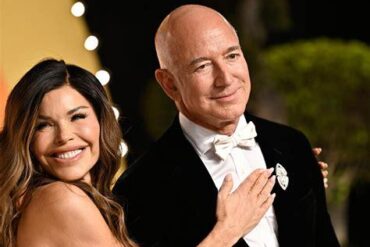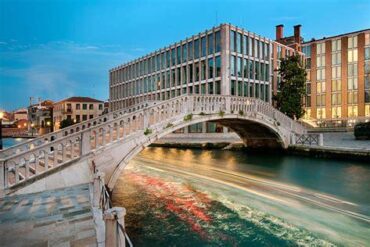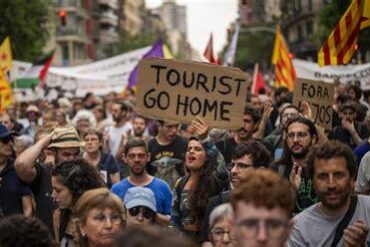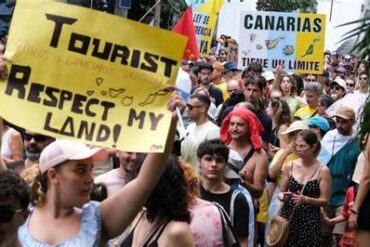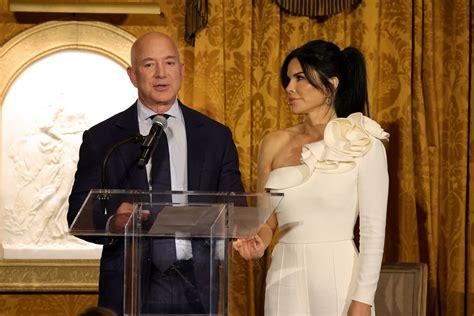
Venice is now in the global spotlight, joining the ranks of elite destinations such as Lake Como, Tuscany, Versailles, California, Hawaii, and Los Cabos—locations renowned for hosting extravagant celebrity weddings. However, unlike its counterparts, Venice is not celebrating this attention; instead, it is bracing for impact. With Jeff Bezos planning a $10 million wedding in the heart of this iconic city, the atmosphere is one of tension rather than joy. The locals are rallying in protest, and the backlash against what they perceive as commercial exploitation is growing stronger by the day.
As the countdown to the lavish three-day event begins, the streets of Venice become a battleground between opulence and resistance. Activists are mobilizing to block access to various venues rumored to host the wedding, signaling a powerful message that Venice has reached its breaking point. What is unfolding is not merely a local protest but a larger narrative about the fate of tourism in one of the world’s most beautiful cities.
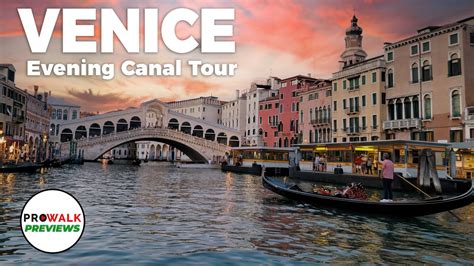
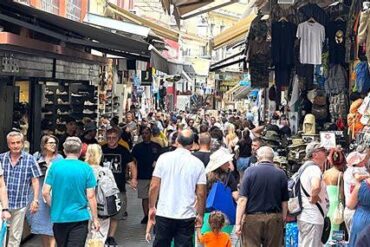
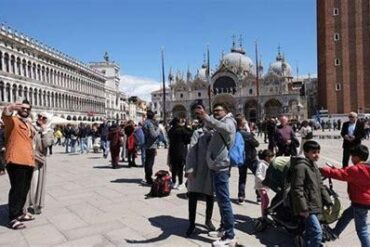
The city’s historic charm is overshadowed by the sheer volume of visitors it receives annually. With over 13 million tourists flocking to its canals and piazzas each year, Venice has surpassed pre-pandemic peaks. This influx exacerbates a chronic problem: the city’s population continues to dwindle. As of now, there are more tourist beds available in the historic center than there are locals, with only 48,489 residents compared to over 51,000 tourist beds. This stark reality is not just a statistic; it reflects the daily lives of those who call Venice home.
Local supermarkets are disappearing, fresh food markets have been transformed into souvenir stands, and the fabric of everyday life is unraveling as more shops cater exclusively to tourists. These changes have left residents feeling disillusioned and frustrated, leading to a palpable sense of anger simmering beneath the surface. The upcoming Bezos wedding has ignited this frustration, acting as a flashpoint for an already volatile situation.
Venice has become a mere backdrop for elite celebrations, where the daily lives of its citizens are overshadowed by the extravagant needs of the wealthy. The anticipated wedding, which may take place at iconic venues like the Scuola Grande della Misericordia and San Giorgio Maggiore, illustrates how the city’s historical and cultural spaces are being commodified for luxury spectacles. While proponents argue that such events inject capital into the local economy, many Venetians see them as a threat to their identity and culture.
Tourism generates a staggering $1.5 billion annually for Venice, making it an economic lifeline. In 2025 alone, more than 600 weddings are scheduled in the city. Yet, the infrastructure struggles to keep pace with this demand. In April 2025, a new day-tripper tax of €5 was introduced to deter casual mass tourism, and cruise ships were banned from central canals in 2021. However, these measures appear insufficient, as the tourism model continues to prioritize short-term gains over long-term sustainability.
Despite attempts to regulate tourism—such as limiting tour group sizes to 25 people and banning loudspeakers—enforcement remains weak, leaving loopholes that allow the problem to persist. Locals increasingly feel like strangers in their own homes, with a population that has shrunk by over 120,000 since 1951. Essential services are disappearing, and the city’s unique character is eroding under the weight of commodified tourism.
The rising tension between locals and visitors is palpable, and it is evident that the delicate balance of life in Venice is shifting. Some tourists, noticing the atmosphere of resentment, have begun to question their role in this dynamic. Recent data shows a 6.7% drop in visitor arrivals in the first four months of 2025 compared to the previous year, indicating a growing awareness of overtourism issues.
City officials, including Mayor Luigi Brugnaro, see high-profile events like Bezos’s wedding as opportunities to showcase Venice on a global stage, believing that attracting affluent tourists can revitalize the economy. However, this perspective creates a widening gap between leadership and residents. While politicians view these luxury events as economic boons, citizens experience them as symbols of inequality and disregard for their needs.
The juxtaposition of extravagant weddings against the backdrop of declining public services paints a troubling picture. As cities like Barcelona, Mallorca, and Amsterdam adopt stricter tourism controls, Venice finds itself caught in a cycle of profit-driven decisions that threaten its preservation. The situation poses a critical question: Can Venice reinvent its tourism strategy to balance heritage and hospitality without sacrificing its soul?
The Bezos wedding will eventually pass, but the questions it raises about the future of Venice will linger. Officials are contemplating deeper reforms, such as banning new souvenir shops, regulating short-term rentals, and increasing day-pass fees. However, implementing these changes effectively presents significant challenges.
Ultimately, Venice is at a tipping point. The Bezos wedding has revealed a raw nerve in the ongoing struggle against overtourism, but it also presents a unique opportunity for change. The city has captivated the world with its beauty for centuries, but without bold action to address the current crisis, that beauty risks becoming hollow—a mere stage set devoid of the vibrant life that once characterized it.
As the guests arrive and festivities commence, the real work begins. Venice must confront its future with courage, creativity, and a commitment to preserving its unique identity while welcoming visitors. The world watches as this iconic city navigates a path forward, one that could redefine tourism for generations to come.