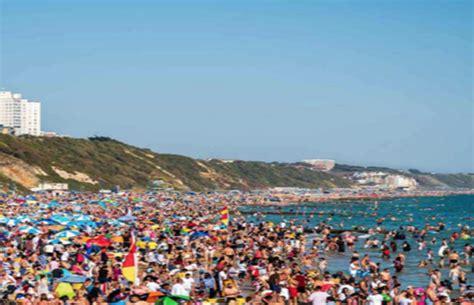
As Barcelona, Venice, Santorini, the Canary Islands, Tenerife, and Mallorca grapple with the burdens of overtourism, a fresh summer alternative is rapidly emerging—Naples. For US and Canadian tourists, this vibrant city could represent the escape they didn’t realize they needed. While the crowds choke the narrow alleys of Venice and the beaches of Santorini buckle under the weight of selfie sticks, Naples is finally having its moment in the sun. This city buzzes with energy; its chaos is electric, and its beauty is undeniably captivating.
Naples’ Transformation:
But here’s the twist: Naples isn’t just welcoming tourists; it’s undergoing a profound transformation. Cleaner streets, an influx of luxury hotels, and an increasing number of longer tourist stays are rewriting its narrative. As Europe’s most overtouristed cities struggle to breathe, Naples offers expansive spaces to roam, rich history to uncover, and an authenticity that hasn’t yet been filtered through the lenses of social media. Why follow the crowd when Naples stands ready to steal the spotlight?
A Historic Makeover:
Celebrating 2,500 years of raw beauty, history, and resilience, Naples is at a pivotal juncture. The city revels in global attention and soaring tourism but also faces challenges that many destinations take decades to confront. Once labeled as “gritty,” Naples is now a global hotspot—not merely the shadow of Rome or Florence, but a bold, magnetic force drawing millions. Tourists arrive not just to pass through but to stay, dive deep, and experience the city’s authentic soul. However, with this surge comes the question: Is the very essence of Naples at risk?
From Avoided to Adored:
In the not-so-distant past, locals advised visitors to avoid areas like Quartieri Spagnoli, a district previously feared for crime and neglect. Fast forward to 2025, and this same neighborhood has become a beacon of rebirth. Artisans, boutique cafés, and charming guesthouses now fill its narrow alleys, attracting tourists seeking genuine experiences rather than safety warnings. Across the city, decades of history resonate through baroque churches, underground catacombs, and palazzos steeped in centuries of life. Today, it’s not merely heritage that drives people in; it’s the experience of Naples as it exists now: unfiltered, chaotic, passionate, and strikingly beautiful.
Cruise Ships and Luxury Brands:
Naples’ renaissance is not only cultural—it’s commercial. Cruise ships now dock daily, inundating the city with tourists. Unlike Venice or Santorini, Naples’ size and sprawl help absorb these crowds, allowing local businesses to thrive amid the influx. Taxi drivers, tour guides, and souvenir vendors are reaping the benefits. On the luxury front, high-end travel is taking root. From the Krug-branded rooftop terrace of the Romeo Hotel Napoli, guests sip champagne while enjoying panoramic views of the bay and Mount Vesuvius. New five-star hotels from renowned brands such as Radisson, Rocco Forte, and Marriott are on the horizon, marking Naples’ evolution from a backpacker haven to a high-end destination. The Romeo Hotel, with its avant-garde art collection, glass-walled pool, and cuisine inspired by Alain Ducasse, epitomizes the city’s pivot toward a wealthier clientele. Naples is no longer just gritty; it’s glamorous too.
Cruising to Naples from North America:
For those dreaming of arriving in Naples by sea—with the imposing Mount Vesuvius in the background and the rich aroma of espresso wafting ashore—2025 may be the perfect year to cruise. Several major cruise lines departing from the United States and Canada now offer Mediterranean itineraries that feature Naples as a highlight stop, blending luxury with the raw, cultural power of Italy’s most electric city. Ships like Disney Fantasy and Royal Caribbean’s Allure of the Seas provide North American travelers with more ways than ever to reach Naples via sea. With summer itineraries spanning June and beyond, these cruises offer more than just floating accommodations—they unlock a multi-sensory gateway to southern Italy’s grit, charm, and living history.
Tourists Staying Longer, Exploring Deeper:
Tourists are no longer rushing through Naples; they’re opting for longer stays—four to five nights instead of just one. They’re immersing themselves in cooking classes, art tours, local folklore, and exploring underground sites that often go unnoticed in typical guidebooks. The demographic of visitors is also shifting. Once predominantly Italian and German, Naples now attracts Americans, Brits, Koreans, Australians, and solo travelers from as far away as India and Brazil. This change signifies that Naples is now firmly on the global bucket list. The more visitors explore, the more they fall in love with the city’s imperfections. Unlike the curated charm of Florence, Naples is alive, messy, and stunning; that rawness adds to its magic.
The Hidden Cost of Growth:
However, this growth comes with a significant cost. The short-term rental market has exploded, with Airbnb listings rising by an astonishing 553% between 2015 and 2019, primarily in the city’s less affluent neighborhoods. Today, renting in the centro storico costs more than double what it did a decade ago. Apartments that once rented for €550–€600 now fetch €1,200–€1,400. Many locals, especially low-income families and young residents, are being pushed out. This trend mirrors what has been seen in Barcelona, Lisbon, and the Canary Islands, where overtourism has escalated into a housing crisis. Despite tourism creating jobs, youth unemployment in Naples remains alarmingly high at 43%, with wages failing to keep pace with the rising cost of living.
Naples Needs a Smarter Tourism Strategy:
The city finds itself at a crossroads. Without a comprehensive tourism strategy, the surge in popularity could undermine the very culture that makes Naples special. Urban experts advocate for expanding the tourist map; while visitors flock to the centro storico and Lungomare, other vibrant neighborhoods remain untouched by tourism. Improved signage, enhanced public transit, and multilingual resources could distribute the benefits—and the crowds—more evenly across the city. Investing in quality tourism is essential, attracting visitors who seek to engage with the city’s art, food, and community rather than merely snapping selfies and grabbing pizza. Additionally, it is crucial to protect residential housing from being overtaken by vacation rentals.
Pride, Pressure, and Possibility:
Despite the pressures, many locals express pride in their city. There’s palpable energy in the streets, creativity is flourishing, and small businesses are thriving. Young Neapolitans who once planned to leave are now discovering reasons to stay. The city council has begun to act, implementing improved waste management, enhancing security, and monitoring shifts within neighborhoods. Crime rates are decreasing, new infrastructure is being established, and international interest is soaring. Naples is not merely surviving its 2,500-year legacy; it’s transforming in remarkable ways. The city is loud, layered, and impossible to ignore. Yet, balance is vital to preserve what makes it unforgettable.
Final Thoughts: Protecting Naples’ Soul:
Naples doesn’t need to be perfect; it never has. What it requires now is protection—not from visitors, but from unsustainable tourism models, unchecked development, and the potential loss of its heartbeat to commercial polish. Visitors must also play a role. They should respect the city, its history, and its people, understanding they are walking through layers of time, culture, and struggle. Because Naples, in all its messy glory, is not a theme park; it’s a living, breathing entity—one that has thrived for 2,500 years by remaining true to itself. It’s a collective responsibility—of locals, tourists, and policymakers—to ensure that Naples retains its unique spirit for generations to come.