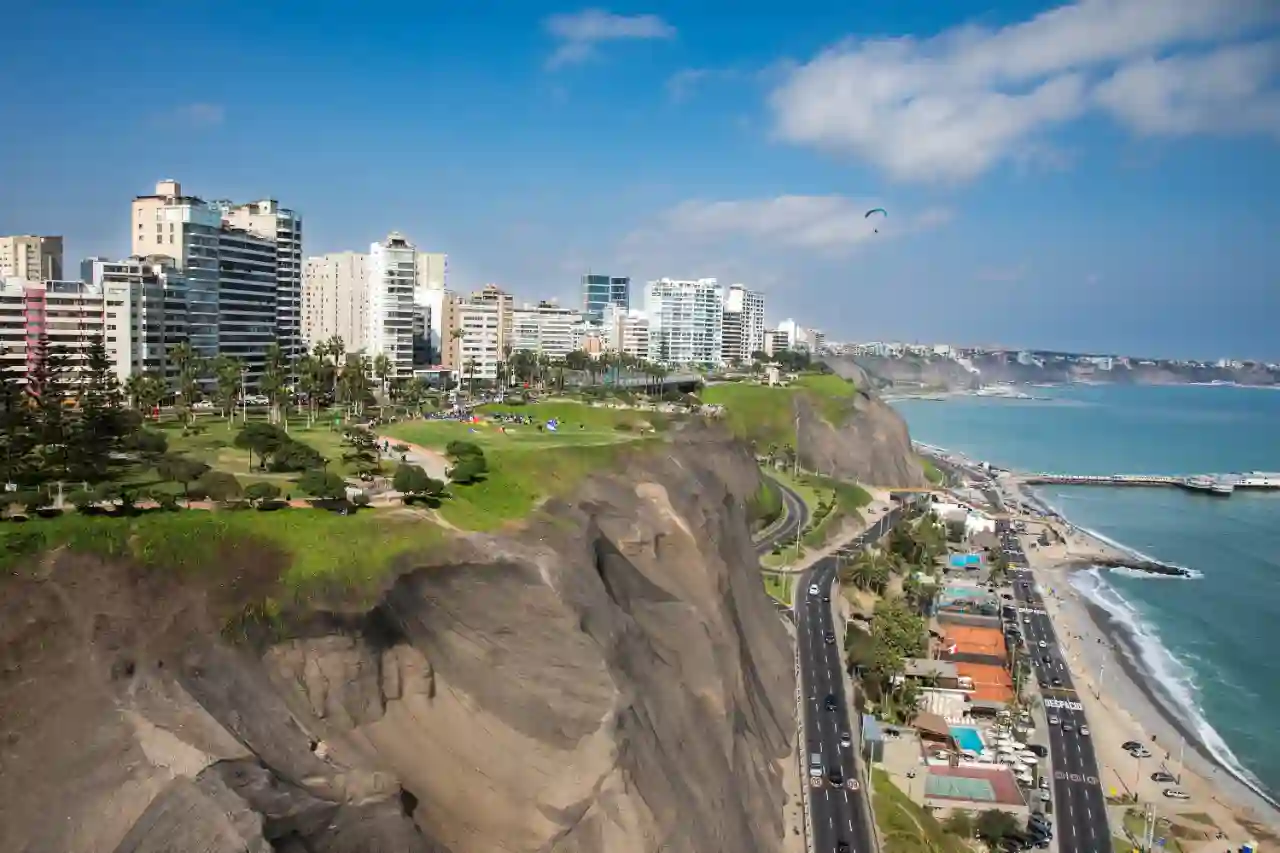
In recent weeks, Lima, the vibrant capital of Peru, has found itself under a state of emergency due to escalating security concerns. The Canadian government has responded by issuing a travel advisory urging travelers to exercise increased caution while navigating this tumultuous landscape. This advisory specifically targets Lima and Callao, a significant port city, along with several districts within the Lima province. With the state of emergency expected to last until July 16, it is crucial for Canadian tourists to understand the implications of this situation and how it affects their travel plans.
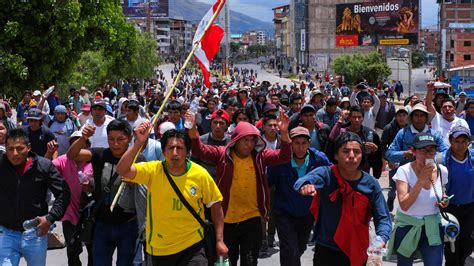
The state of emergency declared by the Peruvian government is a response to growing unrest and local disturbances. This measure grants the military the authority to assist police forces, thereby intensifying the government’s capability to maintain order during these challenging times. Increased powers allow security forces to restrict movement, conduct searches, and monitor communications, which can significantly impact both daily life and tourism activities in the affected areas.
Travelers need to be particularly mindful of the districts currently under this state of emergency:
- Ate
- Carabayllo
- Comas
- Puente Piedra
- San Juan de Lurigancho
- San Martín de Porres
- Villa María del Triunfo
- Villa el Salvador
The Canadian government strongly advises against non-essential travel to these regions. While states of emergency are not uncommon in Peru, the heightened risks necessitate that travelers remain alert and informed.
Key Travel Advisory Details for Canadian Tourists
The Canadian government has outlined several crucial recommendations for those traveling in or considering travel to the affected areas:
- Carry Identification: Always have official identification available, as local authorities may request it. This precaution can help avoid complications if questioned.
- Avoid Motorbikes: Given potential restrictions on motorbike movement, tourists should refrain from using them during this period.
- Exercise Caution: Those already in Lima, Callao, or surrounding districts must stay vigilant. Regularly monitoring local news and adhering to updates from authorities is imperative.
- Respect Local Guidelines: Travelers should be aware of any curfews or restrictions imposed during the state of emergency and follow local instructions diligently.
While Lima and Callao remain open to tourists, being informed and prepared is paramount as the situation can evolve rapidly in response to security developments.
Peru’s Popular Attractions: What Travelers Should Know
Despite the travel advisory affecting certain districts in Lima and Callao, numerous other regions across Peru continue to be safe for tourists. Iconic destinations such as Machu Picchu, Cusco, and the Sacred Valley remain major attractions for international visitors. However, travelers should be aware of potential disruptions to travel and transportation within Lima and Callao, which could impact flights, bus services, or other transport modes in and out of the city.
Given the growing interest in eco-tourism and adventure tourism, it is wise for travelers to plan their itineraries accordingly. With Machu Picchu and the Sacred Valley still attracting significant tourist numbers, exploring these magnificent sites while avoiding affected areas is entirely feasible.
Impact on Local Tourism and Hospitality
The declaration of a state of emergency, coupled with the Canadian travel advisory, is poised to affect local tourism significantly in Lima and Callao, particularly in the short term. Anticipated disruptions may lead to a decline in visitors, especially those considering leisure travel in the impacted areas. For businesses within the tourism sector, including hotels, tour operators, and restaurants, this advisory may result in decreased tourist footfall in the immediate future.
Nevertheless, Peru’s commitment to maintaining a thriving tourism industry remains steadfast. Local authorities and tourism organizations are likely to enhance efforts to reassure international visitors that regions outside the affected areas remain safe and welcoming.
Tips for Travelers: How to Navigate the Current Situation
Navigating the current landscape in Peru requires careful planning and awareness. Here are some essential tips for travelers:
- Stay Updated: Keep an eye on local news and official government updates to remain informed about the state of emergency and any changes to the situation.
- Plan Ahead: If traveling to Lima or Callao, consider adjusting your travel dates to sidestep these areas. Exploring the Sacred Valley or Cusco can serve as excellent alternatives.
- Contact Your Travel Provider: For those with existing bookings in affected areas, reaching out to airlines, tour operators, or hotel providers is crucial to confirm whether travel arrangements remain intact.
- Use Alternative Routes: If possible, consider entering Peru through other regions or connecting flights that do not transit through Lima or Callao.
- Travel Insurance: Ensure you have travel insurance that covers potential disruptions, including changes to flight schedules or delays due to civil unrest.
Conclusion: Stay Safe and Plan Accordingly
For travelers planning a trip to Peru, the current state of emergency and the accompanying travel advisory underscore the importance of staying informed and prepared. While Peru continues to shine as one of South America’s premier tourist destinations, the circumstances in Lima and Callao necessitate increased caution and meticulous planning. With Machu Picchu, the Sacred Valley, and other cultural and natural treasures still welcoming visitors, it is entirely possible to immerse oneself in Peru’s rich heritage while steering clear of the affected areas. By remaining informed and adhering to safety guidelines, travelers can explore this stunning country, support local communities, and navigate the challenges faced by the government during these turbulent times.