As travel resumes with vigor in 2025, a troubling pattern emerges among some of the globe’s most celebrated destinations: Italy, Peru, Indonesia, Japan, Iceland, and Greece. Once considered the pinnacle of wanderlust, these countries now grapple with the harsh realities of overtourism, transforming what were idyllic escapes into overcrowded, overpriced, and increasingly unwelcoming locales. The Instagram-perfect images that once drew millions now mask an unsettling truth: the essence of these places is being lost under the weight of relentless tourist traffic.
In this era, where the rush to capture the perfect photo often overshadows genuine experiences, travelers are urged to reassess their itineraries. The reality behind these iconic sites reveals a landscape marked by inflated prices, cultural erosion, and a desperate need for sustainable practices. As visitor numbers soar, local infrastructure strains under pressure, leaving many destinations struggling to maintain their unique identities.
Venice, Italy: Beauty Strangled by Its Own Popularity
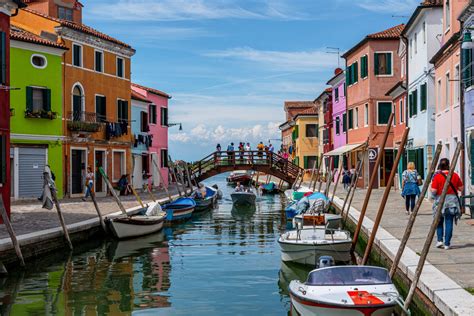
Venice is a city renowned for its enchanting canals and historic architecture. Yet, with over 25 million annual tourists, many arriving via massive cruise ships, the city’s delicate infrastructure is crumbling. On peak days, as many as 120,000 visitors crowd the narrow alleyways, overwhelming the local populace, which has dwindled to fewer than 50,000 residents. Rising rents and the proliferation of short-term rentals have made it increasingly difficult for locals to remain in their homes. What was once a romantic getaway now feels like a chaotic maze, where the charm of Venice is overshadowed by logistical nightmares.
Consider instead a visit to Trieste, just two hours away. This hidden gem offers a similar maritime allure with its elegant architecture, historic cafés, and a rich tapestry of Italian, Austrian, and Slovenian heritage—all without the overwhelming crowds.
Machu Picchu, Peru: Ancient Wonder Under Pressure
High in the Andes, Machu Picchu stands as a testament to ancient civilization, yet it finds itself perilously close to being overwhelmed by tourism. Although access is capped at 4,500 visitors per day, the steady stream of tourists contributes to trail erosion and litter, threatening the site’s integrity. The nearby town of Aguas Calientes has transformed from a quaint gateway to a congested hub, riddled with overpriced accommodations and services. UNESCO has raised alarms regarding sustainability, but effective enforcement remains elusive, endangering this UNESCO World Heritage site.
Bali, Indonesia: From Serenity to Saturation
Once a serene paradise, Bali now struggles under the weight of its own popularity, attracting over 6 million international visitors annually. The island’s famed rice terraces and sacred temples, once tranquil retreats, are now often besieged by throngs of tourists wielding cameras. Areas like Canggu and Ubud experience near-constant traffic congestion, while the environmental toll—marked by water shortages and plastic pollution—threatens both local ecosystems and the very essence of Balinese culture. The rapid commercialization of Bali has led to a dilution of its spiritual heritage, leaving visitors yearning for the authenticity that seems increasingly out of reach.
Santorini, Greece: A Caldera of Crowds
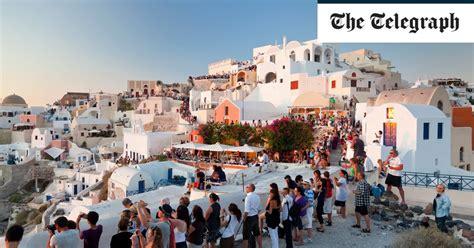
Santorini, with its iconic white-washed buildings and stunning caldera views, has become synonymous with luxury travel. However, on busy summer days, the island can see upwards of 18,000 cruise passengers flooding its narrow streets. Hotel prices soar, restaurants become booked weeks in advance, and public spaces feel more like sardine cans than idyllic getaways. The island’s infrastructure struggles to cope with the surge, leading to strained water resources and an overwhelmed waste management system. Visitors seeking tranquility find themselves in a bustling environment that detracts from the island’s natural beauty.
Kyoto, Japan: Tradition in Crisis
Once a bastion of Japanese culture, Kyoto is now facing an identity crisis. The influx of tourists has led to complaints from locals about overcrowding, particularly in historic districts like Gion, known for its geisha traditions. The shift in focus from preserving heritage to catering to tourist demands has resulted in blocked streets and signs prohibiting photography in traditionally sacred areas. This transition threatens to erode centuries of cultural significance in favor of commercial gain, diluting what makes Kyoto a unique destination.
Reykjavik, Iceland: A Hotspot Turned Overheated
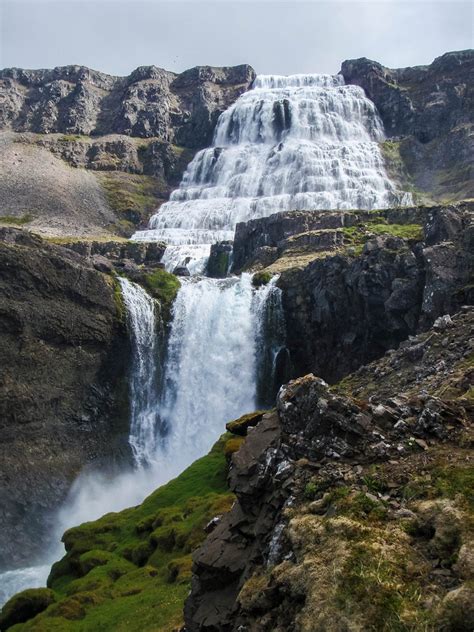
Since 2010, tourism in Iceland has skyrocketed, with annual visitor numbers soaring from 500,000 to over 2 million. Most travelers flock to the capital, Reykjavik, and the popular Golden Circle route, leading to overcrowding at natural attractions like geysers and hot springs. The result is a transformation of pristine landscapes into mere backdrops for social media posts, stripping away the profound connection to nature that Iceland once offered. For those seeking serenity, the Westfjords region provides an antidote to the chaos, where unspoiled fjords and towering cliffs await exploration.
Final Thoughts: Seek What’s Rare, Not Just What’s Rated
Travel should not only enrich the traveler but also benefit the destinations we cherish. In light of the challenges faced by Italy, Peru, Indonesia, Japan, Iceland, and Greece, it becomes paramount for travelers to seek out lesser-known locales that promise more authentic and peaceful experiences. Choosing to explore off the beaten path not only preserves the cultural integrity of these destinations but also fosters a deeper connection to the places we visit. As we navigate this new era of travel, let us remember that the world is vast, and magic still exists far beyond the well-trodden tourist trails.