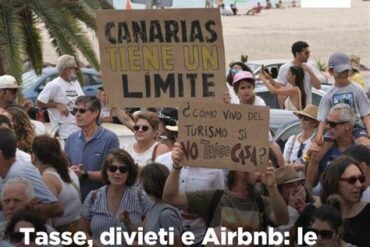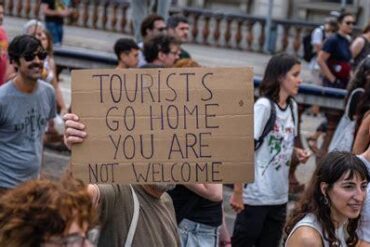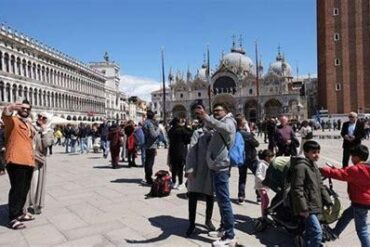
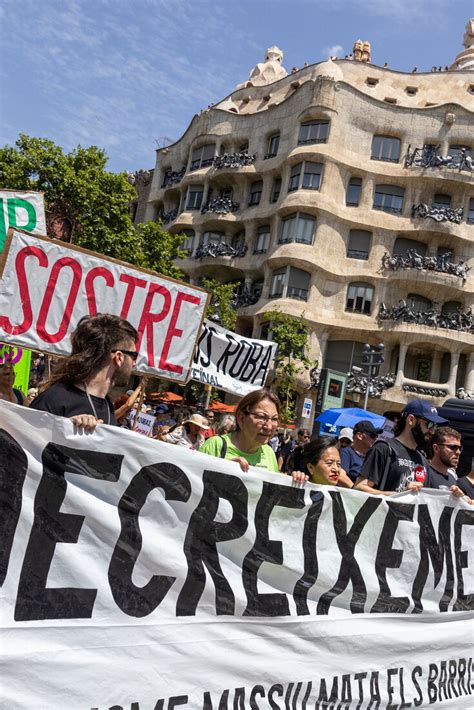
As the summer travel season begins, Mallorca and several other iconic European destinations are sounding a unified alarm. This weekend, coordinated anti-tourism protests will erupt across cities including Lisbon, Venice, Barcelona, the Canary Islands, Granada, Ibiza, and Palma, targeting the very tourism models that have long sustained their economies. For American and Canadian tourists, these demonstrations may disrupt not only vacation plans but also the perception of these places as purely recreational paradises.
The Growing Discontent: Why Protests Are Escalating in Europe’s Top Tourist Spots
What was once a whisper of discontent has become a resounding call for change. Residents across southern Europe are rising in coordinated defiance of what they describe as the crippling effects of overtourism. These protests are not spontaneous—they are strategic, mobilized through grassroots movements with a clear message: the current tourism model is unsustainable.
At the heart of the issue lies a fundamental clash between economic dependency on tourism and the social, environmental, and economic degradation it causes. The arrival of cruise ships, the explosion of short-term vacation rentals, and the influx of seasonal visitors have led to rising rents, displaced communities, and eroded natural landscapes.
Palma in the Eye of the Storm: Mallorca’s Protest Plans for June 15
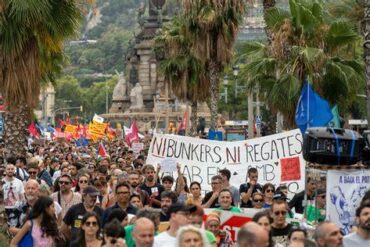
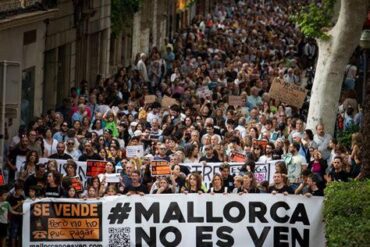
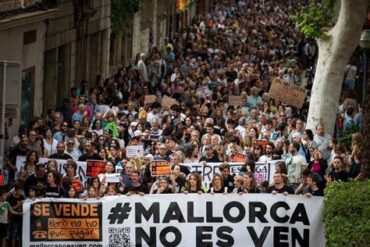
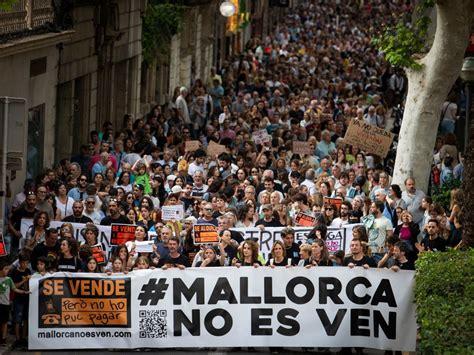
This weekend, Palma—Mallorca’s sun-drenched capital—will again transform from a postcard-perfect destination into a battleground for tourism reform. On Sunday, June 15, starting at 6 p.m. in Plaça Espanya, thousands of residents will take to the streets, marching through historic boulevards with symbolic props: water pistols, whistles, drums, banners, and mock cruise ships.
This demonstration is spearheaded by Menys Turisme Més Vida (Less Tourism, More Life), a local movement advocating for policies that restore balance to the island’s economy and protect its social fabric. Their demand is direct: put people before profits, and stop treating Mallorca like a commodity.
A Familiar Frustration: Why the Movement Has Gained Momentum
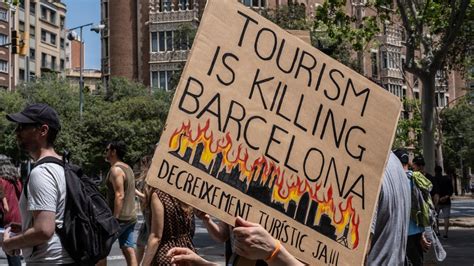
Last summer, over 10,000 protestors flooded Palma with the same demands. The current resurgence is fueled by the absence of meaningful policy change. Rents continue to soar, locals are priced out of their neighborhoods, and the quality of life has deteriorated. Despite attempts at regulation, the tourist footprint has only grown heavier.
The problem is not tourism per se—but its scale, its pace, and its unregulated sprawl. Entire roads are routinely shut down for events, while public infrastructure buckles under the weight of visitors. Local workers—particularly in the hospitality sector—are overwhelmed, underpaid, and face job insecurity each season.
Environmental Costs: Cruise Ships and Carbon Shadows
The ecological toll is undeniable. Cruise liners, often seen as floating luxury hotels, are among the worst culprits. They release pollutants into the sea and air, and bring thousands of tourists into city centers that are already saturated. Each arrival spikes local resource usage—especially water and energy—creating stress on Mallorca’s limited infrastructure.
Campaigners have called out the greenwashing by travel companies that brand their services as eco-friendly while doing little to reduce actual environmental harm. From overflowing beaches to traffic-choked towns, the environmental cost is high—and rising.
Housing Crisis: When Tourism Pushes Out Communities
Perhaps the most painful consequence is the housing crisis gripping the island. Locals find themselves priced out by vacation rentals marketed to foreigners. Short-term lets on platforms like Airbnb drive up housing costs, while investors convert once-residential properties into profit machines.
Entire neighborhoods have morphed into tourist enclaves. In places like Sóller, Artà, and Palma’s Old Town, residents are leaving. Young people can no longer afford to remain on the island. What was once a seasonal pressure is now a year-round affordability crisis.
What Protesters Want: Not an End, But a New Beginning
The activists organizing these protests are not anti-tourism. They are anti-exploitation. Their vision is for a more sustainable, community-centered tourism model that puts limits on cruise arrivals, restricts private jet landings, and severely regulates short-term rentals.
They call for legislation that protects housing for locals, ensures fair wages for workers, and mandates environmental accountability from businesses. The goal is to reclaim Mallorca’s identity from the forces of commercialization and preserve its cultural and ecological wealth for future generations.
Tourism Industry at a Crossroads
This wave of activism represents a turning point for Europe’s tourism industry. Major players—airlines, hotel chains, tour operators—must reckon with the implications. The model of endless growth is proving toxic for the very destinations it profits from.
For airlines, this means reassessing the frequency and scale of seasonal flights. For hotel chains and cruise operators, it’s a call to re-engage with local communities, not just their wallets. And for policymakers, this is a final warning to stop delaying meaningful regulation.
Traveler Advisory: How to Navigate Your Trip to Mallorca
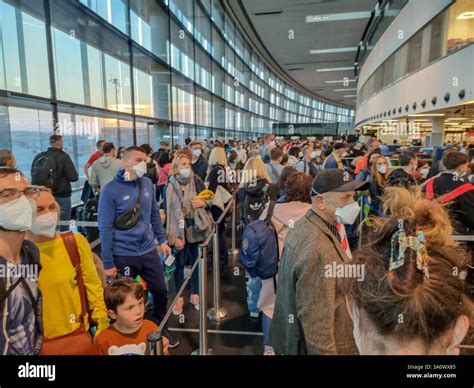
For those traveling to Mallorca this summer—especially around June 15—proceed with caution and respect. Demonstrations in Palma may disrupt transportation, access to major sites, and daily operations in the city. Avoid protest areas to ensure your safety and the dignity of the local movement.
Support local businesses that adhere to sustainable practices. Choose lodging that compensates workers fairly and avoids controversial short-term letting models. Be aware of your environmental impact—from water usage to waste generation.
Understanding the local context can enhance your trip, turning it from a passive escape to a meaningful experience.
Palma is a Microcosm: What This Means for the Future of Global Tourism
The protests in Palma are not isolated—they are part of a broader, pan-European movement. As Lisbon, Venice, Barcelona, and the Canary Islands join the charge, the message grows louder: communities are demanding change.
Tourism, once viewed as an unquestioned economic boon, is now being re-evaluated through the lens of equity, sustainability, and quality of life. Governments will be forced to recalibrate policies. Travel companies must innovate with conscience. And tourists must travel not just for pleasure, but with awareness.
This summer, the sun may shine bright over the Mediterranean, but the streets will speak louder.
Final Thought: Choose Conscious Travel or Fuel the Backlash
The evolving travel landscape presents a choice. Tourists can contribute to the erosion of beloved places—or become part of their preservation. It’s no longer enough to book a flight, snap a selfie, and leave. Travelers now hold a stake in the very survival of the places they visit.
Mallorca, together with its European counterparts, is calling for a new travel ethic. One that values residents over reviews, culture over commerce, and long-term preservation over short-term profits. The question is: will travelers listen?
This weekend’s protests will send a message. But what happens next depends on how the world responds.