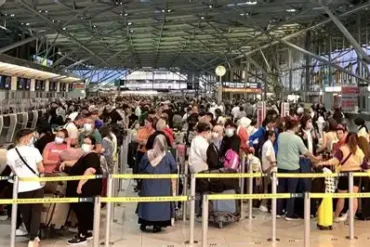
Delta Air Lines is currently navigating a significant challenge amidst the booming demand for premium travel: its exclusive Sky Club lounges are increasingly overcrowded. Once a sanctuary for elite flyers, these lounges now face congestion that undermines the very essence of their appeal. Despite reporting strong financial results and reaffirming its profit targets for 2025, Delta finds itself grappling with the reality that the number of travelers seeking premium experiences has skyrocketed, leading to an overwhelming influx of customers into its previously serene spaces.
The surge in demand can be attributed to several factors, most notably the phenomenon of “revenge travel.” As consumers emerge from the constraints of the COVID-19 pandemic, many are eager to indulge in luxury travel, creating a $300 billion boom in global travel spending. Alongside this, greater access to premium amenities via high-tier credit cards and loyalty programs has led to a flood of new customers into Delta’s lounges. Travelers who once enjoyed a tranquil and exclusive experience now encounter long lines and standing-room-only conditions, particularly at busy hub airports such as New York’s JFK. The features that were designed to reward frequent flyers—priority check-in, upscale food offerings, and relaxing spaces—are quickly becoming diluted as the lounges struggle to accommodate the rising tide of premium travelers.
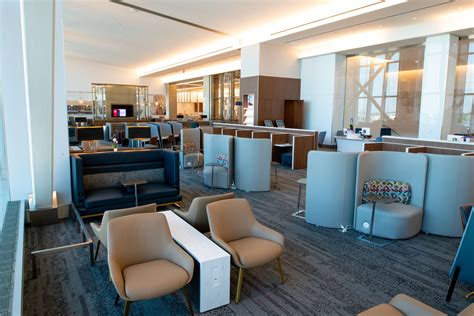
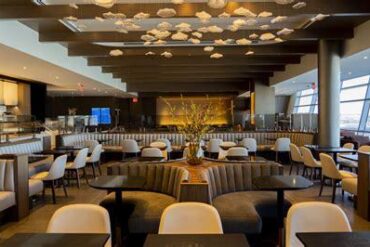
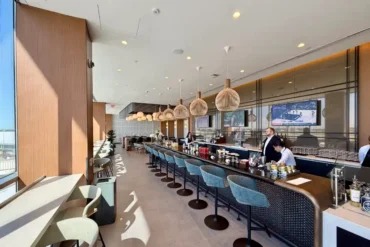
In response to this burgeoning demand, Delta has made efforts to enhance its lounge offerings. In early 2025, the airline unveiled its revamped Delta One Lounges, which promised expanded space and high-end amenities aimed at elevating the premium travel experience. However, the timing of these enhancements coincided with an unprecedented rise in elite-status travelers, resulting in a situation where the capacity of these lounges could not keep pace with demand. Internal data from Delta indicated that the number of passengers qualifying for lounge access surged dramatically, thanks in part to generous credit card benefits and increased retention of status tiers during the pandemic. This influx of high-value travelers has made it increasingly challenging for Delta to maintain the exclusivity that once defined its Sky Club brand.
To address the growing concerns over overcrowding, Delta has implemented stricter lounge access policies. Beginning in 2023, the airline barred Basic Economy ticket holders from entering the lounges and capped the number of visits for American Express Platinum and Reserve cardholders. These changes sparked a backlash among travelers, many of whom took to social media to express their dissatisfaction with the perceived loss of value associated with their premium credit cards. By early 2025, Delta enforced even tighter restrictions: AmEx cardholders were limited to just 15 visits per year unless they spent $75,000 or more annually. Additionally, lounge entry was restricted to a three-hour window before departure, a move intended to prevent travelers from lingering excessively in the lounges. Despite these policy adjustments, peak congestion continued to plague major airports such as Atlanta, Los Angeles, and Seattle, raising questions about whether these changes could effectively resolve the issue.
To keep pace with the increasing demand for premium travel, Delta has embarked on an ambitious expansion of its lounge network. New lounges, designed to span up to 30,000 square feet, are currently under development in key cities like Los Angeles and Seattle. These upgraded facilities will feature more spacious layouts, private workspaces, and elevated food offerings, all aimed at distinguishing Delta’s brand in a competitive premium market. This investment in infrastructure is reflective of a broader trend within the travel and financial services sectors. Other providers, such as American Express, are also expanding their networks to accommodate high-income travelers who expect luxury but are often met with frustration due to overcrowding.
Delta executives are optimistic that by 2026, these infrastructural upgrades will substantially alleviate crowding issues. However, operational challenges—including staffing shortages and airport design limitations—could impede the full effectiveness of these efforts. The ongoing struggle to balance demand with capacity highlights a more extensive societal shift affecting the landscape of premium travel.
The situation unfolding at Delta’s Sky Clubs serves as a microcosm of a larger economic reality known as “elite overproduction,” a term coined by University of Connecticut professor Peter Turchin. This concept refers to a societal structure where there are more individuals possessing elite credentials—wealth, education, status—than there are genuinely elite opportunities available. In this context, airport lounges have become symbolic battlegrounds, reflecting the tensions created by a surplus of affluent consumers vying for limited luxury experiences. As more individuals earn six-figure incomes, hold premium credit cards, and accumulate loyalty statuses, the access to exclusive services becomes increasingly saturated. Consequently, the exclusivity that once accompanied these perks begins to erode, creating a paradox where the rewards of success feel commonplace.
As Delta grapples with this new reality in air travel, it faces the task of redefining what premium service means. With approximately 40% of American households now earning over $100,000 annually, the traditional markers of elite status are shifting. A six-figure salary no longer guarantees access to the luxury experiences that many consumers desire. The competition for premium perks has intensified to the point where many upper-middle-class travelers feel they are losing the benefits their spending once secured, further complicating Delta’s ability to maintain its premium identity.
Ultimately, Delta’s long-term success hinges on its ability to strike a delicate balance between accessibility and exclusivity. The airline must cater to a growing base of affluent travelers while simultaneously preserving the prestige that justifies their loyalty. This balancing act will not only shape the future of the Sky Club experience but will also determine Delta’s ability to carve out a unique identity in a market where luxury is increasingly characterized by scarcity. As the airline navigates this complex landscape, its strategies and decisions will undoubtedly have lasting implications for the premium travel sector as a whole.