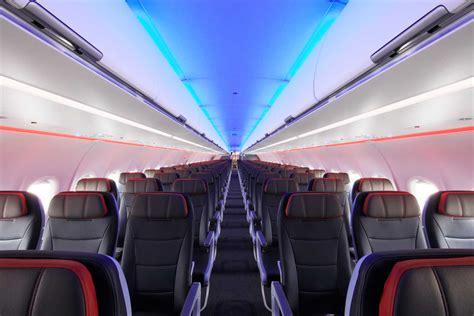
American Airlines is moving ahead with one of the most ambitious narrowbody cabin refresh programs in its network, bringing a new look and more premium seating to some of the oldest aircraft in its fleet. On the surface, the project appears to be a clear improvement. Updated interiors, larger overhead bins, additional power outlets, mood lighting, and future Starlink connectivity all sound like meaningful enhancements. Yet behind the marketing language lies a more complicated reality. As the carrier squeezes additional premium seats into aging Airbus A319 and A320 aircraft, many travelers are questioning whether the changes represent a genuine upgrade or simply a smarter way to maximize revenue from mature airplanes.
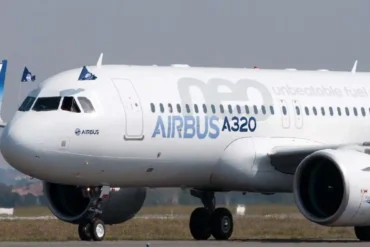
American’s fleet of Airbus A319s and A320s has an unusual history. The airline currently operates 132 A319s and 48 A320s, meaning 180 aircraft are expected to receive the new cabin treatment. While these airplanes remain workhorses across the domestic network, many are among the oldest narrowbody jets in the carrier’s fleet. Some A320s are approaching three decades in service, while several A319s trace their origins to America West Airlines and US Airways.
Unlike newer aircraft, these jets were never designed around today’s premium-heavy business model. Nevertheless, American believes increasing the number of premium seats aligns with changing travel patterns and stronger demand for higher-yield products.
The strategy mirrors a broader trend among US airlines, where premium seating generates increasingly attractive margins. However, unlike a fleet replacement program, retrofitting existing aircraft offers a faster and less expensive path to additional revenue.
American Airlines Is Expanding Premium Capacity Across Older Airbus Aircraft
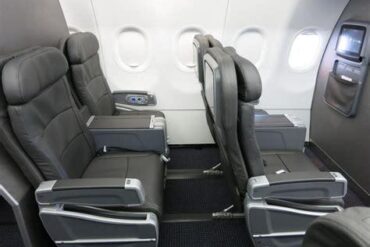
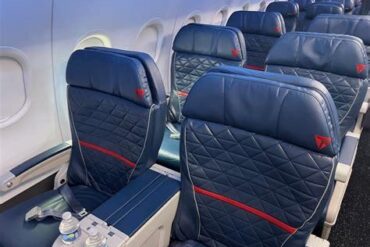
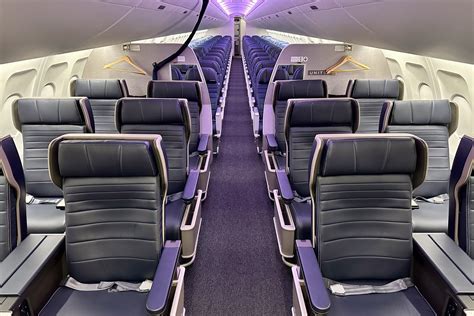
American Airlines describes the retrofit program as part of its continuing investment in customer experience. The refreshed aircraft feature redesigned First Class seats with privacy wings, extra storage compartments, and dual cocktail trays. New mood lighting and refreshed cabin finishes are intended to create a visual experience similar to the carrier’s latest Boeing 787-9 Dreamliners and Airbus A321XLRs.
The changes go beyond appearance. Larger overhead bins are expected to improve boarding efficiency, while multiple charging options, including USB-C ports, are being added throughout the cabin. Beginning in 2027, these aircraft are also expected to receive Starlink internet capability, providing faster and free Wi-Fi access for AAdvantage members.
Although these improvements are welcome, the biggest headline involves premium seating. The Airbus A319 configuration grows from eight to twelve First Class seats while maintaining 24 Main Cabin Extra seats and 96 standard economy seats. Total capacity rises from 128 to 132 seats.
The Airbus A320 receives an even more noticeable premium transformation. First Class seats increase from twelve to sixteen, while Main Cabin Extra expands dramatically from eighteen to thirty-three seats. Overall capacity remains at 150 passengers, but a significant shift occurs toward higher-revenue seating categories.
Why The Aircraft’s Age Matters
The age of these aircraft plays an important role in understanding the retrofit strategy. American’s A320 fleet averages more than twenty-five years old, with some examples nearing twenty-nine years of service. Even the A319 fleet averages more than twenty-two years.
That age creates an interesting contradiction. Some legacy American Airlines A319s originally entered service with seatback entertainment systems, universal power outlets, and a relatively modern passenger experience. At the time, these features distinguished the airline from competitors.
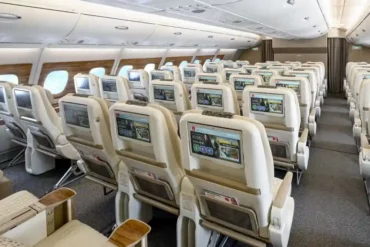
Ironically, the current retrofit removes one of those original advantages. Instead of restoring modern seatback entertainment systems, American is doubling down on streaming content to passengers’ personal devices. While many travelers now carry tablets and smartphones, others still value integrated entertainment screens, particularly on longer flights.
For passengers accustomed to a fully equipped cabin experience, the absence of seatback screens feels less like modernization and more like a step backward.
Cabin Density Is Increasing Behind The Scenes
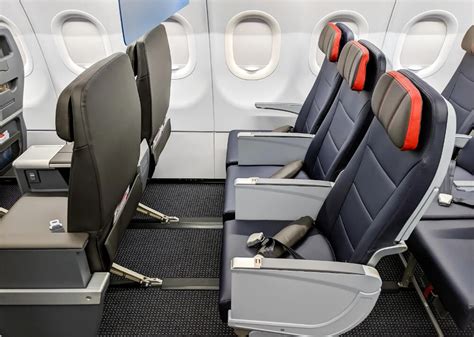
One of the biggest criticisms surrounding the retrofit concerns cabin density. Although American highlights the expansion of premium seating, additional rows must fit somewhere.
On the Airbus A319, the increase from eight to twelve First Class seats comes without reducing the number of economy seats. Instead, overall capacity rises by four seats. This naturally means less available space within the cabin.
Seat pitch in First Class decreases to accommodate the extra row. While the reduction may appear minor on paper, premium travelers paying higher fares often expect more space rather than less.
The redesign also introduces a more compact rear galley and lavatory arrangement. This creates tighter working conditions for flight attendants and increases congestion near the rear of the aircraft. During full flights, bottlenecks around lavatories and service areas can noticeably affect the passenger experience.
These operational compromises are unlikely to appear in promotional images, but they have real implications for comfort and efficiency.
The Benefits Are Real, But They Favor Convenience Over Comfort
Despite criticism, several aspects of the retrofit provide meaningful advantages. Larger overhead bins represent one of the most practical improvements. Overhead storage shortages frequently delay boarding and create frustration among passengers. Increasing bin capacity helps reduce gate-checked bags and streamlines the boarding process.
Power outlets at every seat also reflect changing passenger behavior. As airlines increasingly rely on streaming entertainment, keeping devices charged becomes essential rather than optional.
Mood lighting and updated finishes may seem cosmetic, but cabin aesthetics significantly influence how passengers perceive comfort. Even older aircraft can feel substantially newer with improved lighting and redesigned interiors.
Future Starlink connectivity promises another substantial improvement. Reliable, high-speed Wi-Fi has become an important competitive advantage, especially among business travelers. If implemented successfully, Starlink could transform the onboard digital experience.
Nevertheless, these enhancements primarily focus on convenience and connectivity rather than personal space. Travelers expecting wider seats or significantly improved comfort may find the changes less impressive.
United Airlines Is Taking A Different Approach
American is not alone in chasing premium revenue. United Airlines has also made premium expansion central to its long-term strategy through the United Next program. However, the execution differs considerably.
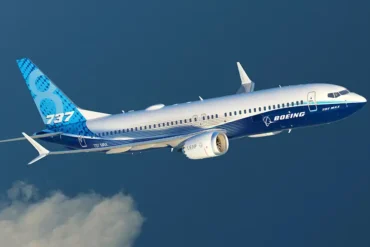
United’s newer Boeing 737 MAX and Airbus A321neo aircraft feature larger overhead bins, Bluetooth-enabled entertainment systems, faster Wi-Fi, and extensive seatback screens throughout the cabin.
Unlike American, United views integrated entertainment as an important component of the passenger experience rather than something travelers should replace with their own devices.
This distinction is significant because it affects every passenger, not just those sitting in premium cabins. Economy passengers receive tangible improvements rather than simply refreshed aesthetics.
As a result, United’s investments often feel like true cabin modernization, whereas American’s retrofits sometimes appear designed primarily around maximizing premium revenue opportunities.
American’s Premium Strategy Reflects Industry Trends
The airline industry has increasingly shifted toward premium segmentation. Airlines have discovered that adding more First Class and extra-legroom seats generates higher returns than simply increasing standard economy capacity.
American’s retrofit program fits squarely into this trend. By increasing premium inventory, the carrier improves upgrade availability, creates additional revenue opportunities, and caters to customers willing to pay more for comfort.
From a financial perspective, the strategy makes sense. Retrofitting existing aircraft costs far less than replacing them, allowing American to extend the useful life of aging jets while improving profitability.
However, passengers evaluate upgrades differently. Travelers generally judge aircraft by comfort, entertainment, and overall experience rather than revenue optimization. This difference explains why the retrofit has generated mixed reactions.
Are These Refreshed Aircraft Really An Upgrade?
The answer largely depends on where passengers sit.
First Class travelers gain additional availability, modern seats, and updated aesthetics, although with slightly reduced space. Main Cabin Extra customers benefit from expanded seating choices, particularly on the Airbus A320.
Economy passengers receive improved lighting, charging ports, larger bins, and eventually faster Wi-Fi. Yet they do not receive fundamentally better seats or the return of seatback entertainment.
American Airlines deserves credit for investing in aircraft that many carriers might simply retire. The refreshed cabins will undoubtedly look better and feel more contemporary than before. But the project also reveals the delicate balance between improving the customer experience and maximizing revenue.
Ultimately, the A319 and A320 retrofits represent a modernization effort shaped as much by economics as by passenger comfort. For some travelers, that will be enough to call it an upgrade. For others, especially those who remember the aircraft’s original features, the changes may feel more like a clever reconfiguration wrapped in premium branding than a transformational leap forward.