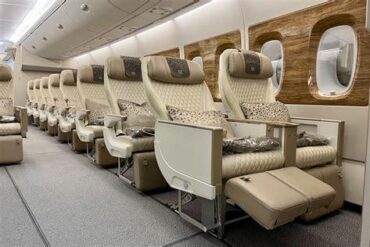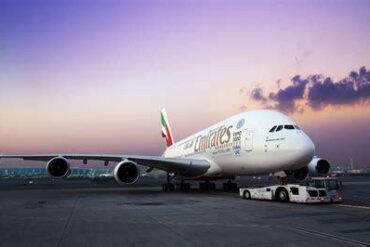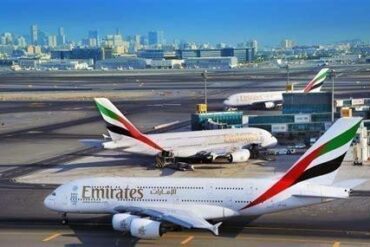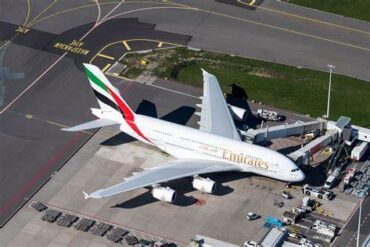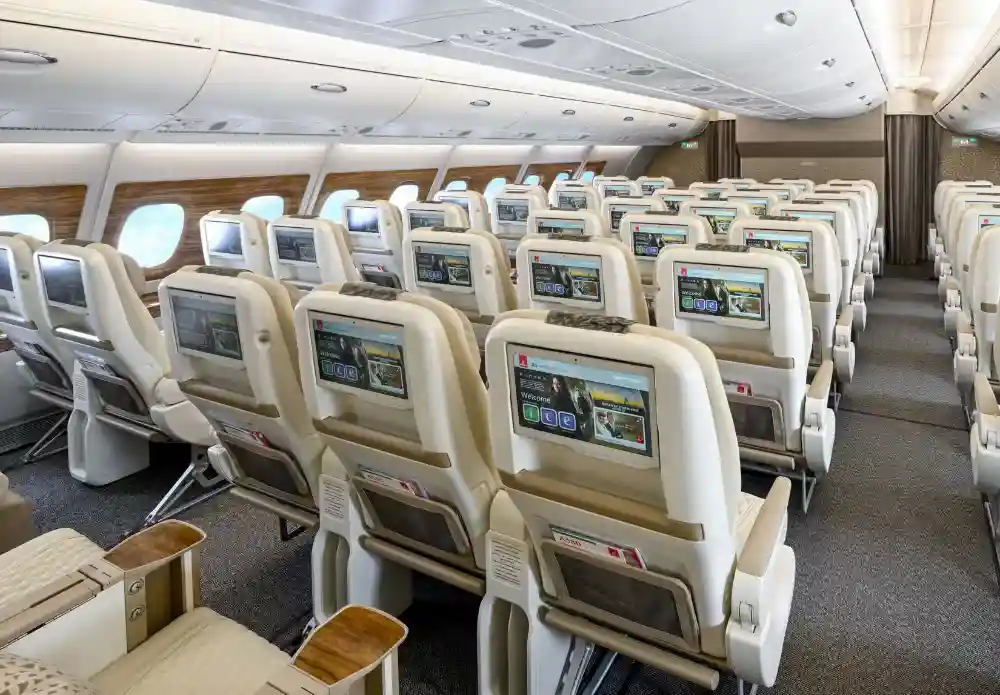
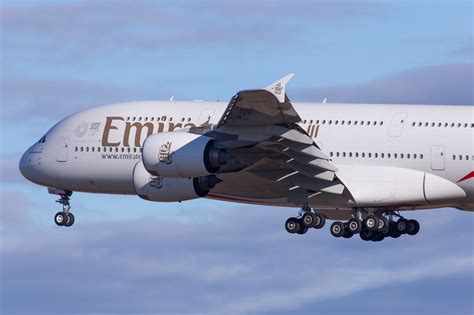
Emirates has unveiled a groundbreaking transformation in its Airbus A380 operations with the debut of its first high-density aircraft retrofit that introduces the airline’s coveted premium economy cabin. The nine-year-old aircraft, registration A6-EUX, returned to commercial service on May 16 following an extensive two-month overhaul, marking a pivotal moment in Emirates’ multi-billion-dollar fleet modernization strategy. This retrofit is the first of 15 high-density A380s set to receive the upgrade, highlighting the airline’s commitment to enhancing passenger experience while strategically optimizing capacity and revenue.
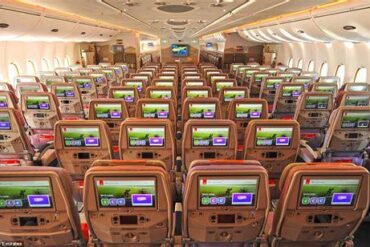
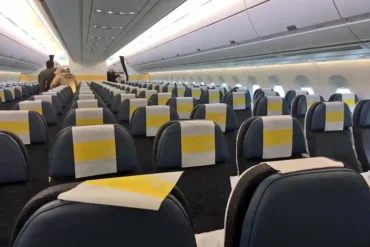
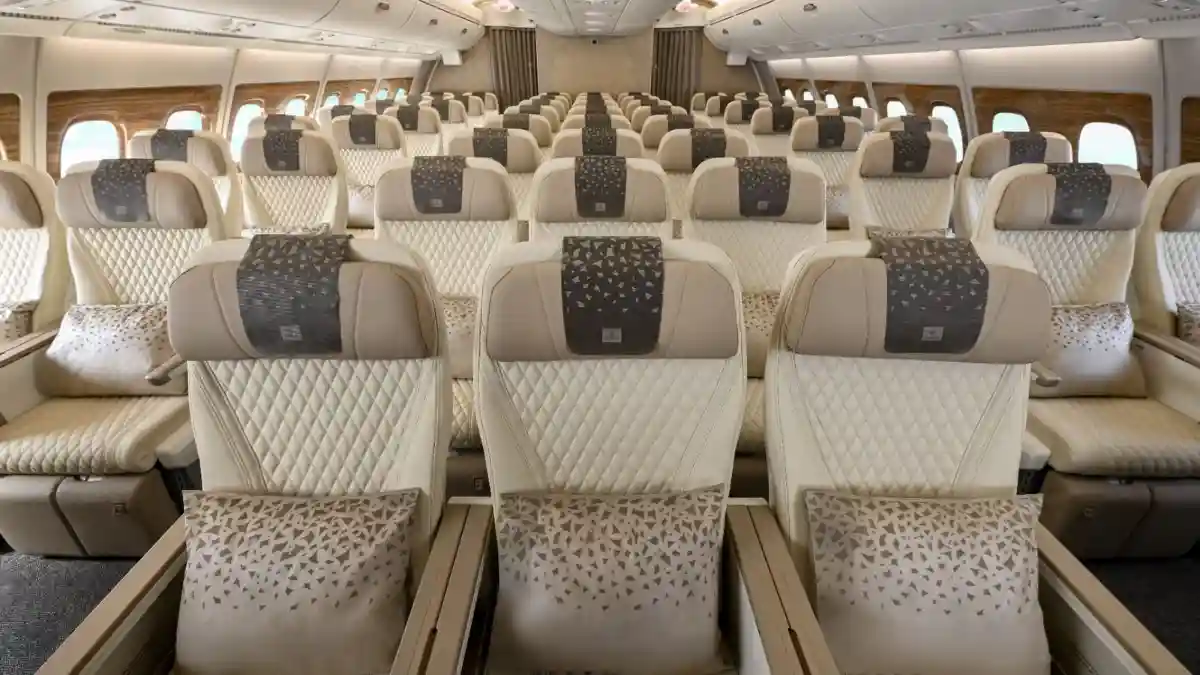
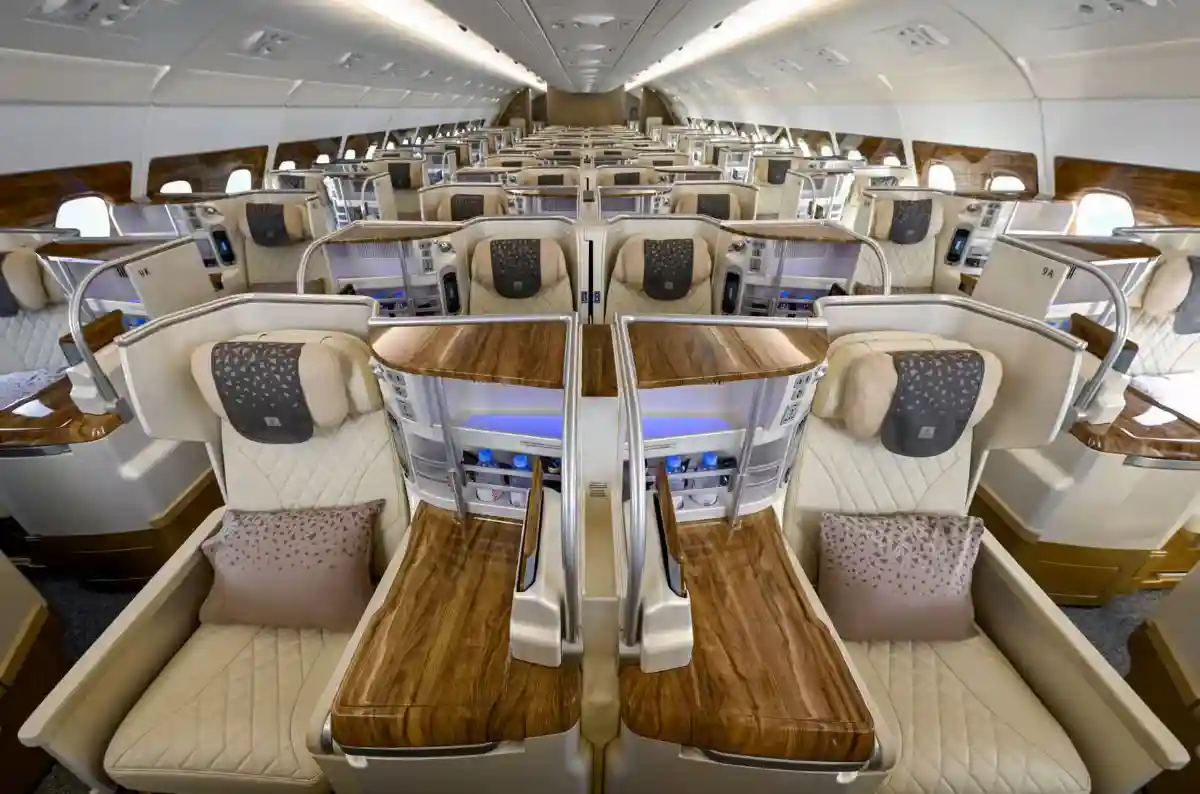
The retrofit represents a significant shift in Emirates’ approach to cabin configuration. Historically, its high-density A380s operated a two-class layout accommodating 615 passengers with 58 business class seats and 557 economy seats. In the new three-class arrangement, the aircraft now carries 569 passengers, incorporating 56 business class seats, 56 premium economy seats, and 437 economy seats. This redesign reduces overall capacity by approximately 7.5% but strategically reallocates space to cater to higher-yield passengers, reflecting a deliberate emphasis on revenue maximization.
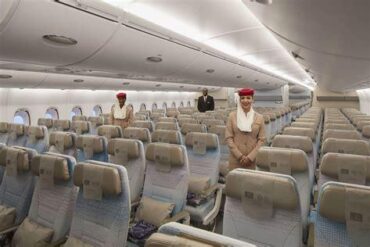
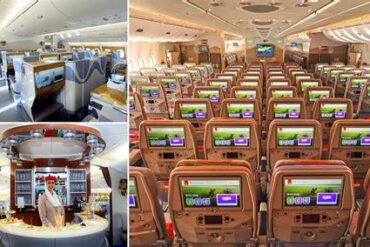
The upper deck underwent the most dramatic changes, as 120 economy seats were removed to accommodate the introduction of premium economy seating and additional business class space. The new layout features a 2-3-2 configuration for premium economy and maintains the traditional 3-4-3 economy setup on the lower deck, while business class continues in a 1-2-1 layout. These alterations not only modernize the cabin environment but also align the high-density A380 product with Emirates’ broader fleet consistency goals, ensuring passengers encounter a familiar and upgraded experience across multiple aircraft types.
The decision to debut this aircraft on the route to Birmingham International Airport underscores the importance of the UK market for Emirates. Birmingham becomes the latest destination to feature Emirates’ premium economy, joining London, Manchester, Edinburgh, and Newcastle in offering the product. While the airline has yet to fully restore its daily network frequencies, introducing premium economy on this high-density A380 reinforces Emirates’ commitment to meeting growing premium travel demand in the UK.
This retrofit is part of Emirates’ $5 billion cabin modernization program, first announced in 2021 in response to delays in new aircraft deliveries. Originally focused on 120 aircraft, the program has expanded to encompass 219 aircraft in 2024, including both A380s and Boeing 777s. To date, 95 aircraft have completed the retrofit, including 42 A380s and 53 777s, while some newer deliveries, including Airbus A350-900 aircraft, were already equipped with the upgraded cabin layouts and premium economy sections. The scale of this initiative positions Emirates as a leader in large-scale cabin modernization, maintaining competitive product offerings while maximizing operational efficiency.
The practical impact of the retrofit is immediately evident in passenger experience and airline economics. By replacing a segment of economy seating with premium cabins, Emirates is capitalizing on the higher revenue potential of premium travelers without sacrificing the volume of economy passengers entirely. The strategic reconfiguration reflects an understanding of evolving market demand, particularly as long-haul leisure and corporate travel continues to rebound. Furthermore, the increased comfort, enhanced amenities, and thoughtful cabin layout signal a commitment to elevating brand perception and passenger loyalty.
Operationally, the first aircraft required approximately two months to retrofit, but Emirates anticipates that subsequent high-density A380 retrofits will be completed in roughly half that time. This accelerated schedule demonstrates the airline’s growing expertise in cabin modification and its ability to implement large-scale changes without prolonged disruptions to service. By the end of 2026, all 15 high-density A380s are expected to feature the new three-class configuration, simultaneously aligning with retrofits on additional A380s and 777s across the fleet.
From a broader strategic perspective, the retrofit program addresses multiple challenges facing Emirates. Delayed aircraft deliveries initially threatened to limit capacity growth, but the comprehensive modernization of existing airframes allows the airline to continue offering premium products and maintain a competitive edge. The program also ensures a consistent passenger experience across multiple aircraft types, bridging the gap between older and newer fleet generations. By investing in cabin enhancements, Emirates simultaneously prolongs the operational life of its aircraft while reinforcing brand value and passenger satisfaction.
Emirates’ approach to this retrofit exemplifies a nuanced balance between operational efficiency, passenger appeal, and financial strategy. The reallocation of cabin space, while reducing total seat numbers, increases the number of premium seats capable of generating higher revenue per flight. The addition of premium economy addresses a growing segment of travelers seeking more comfort than traditional economy seating but at a more accessible price point than business class. This tiered approach positions Emirates to capture a broader range of customer segments and enhances its competitive positioning in long-haul markets.
In conclusion, Emirates’ first high-density A380 retrofit signifies a transformative step in fleet modernization, blending innovation with strategic market insight. The reduction from 615 to 569 seats, introduction of premium economy, and reconfiguration of business class seating reflect a deliberate effort to optimize both passenger experience and revenue potential. As the remaining high-density A380s undergo similar upgrades and retrofits expand across the fleet, Emirates will emerge with a uniform, modernized product that strengthens its global competitive position and offers passengers a consistently elevated travel experience across its most iconic aircraft. This initiative not only reinforces Emirates’ commitment to excellence in long-haul travel but also highlights the airline’s ability to adapt and innovate in an evolving aviation landscape.