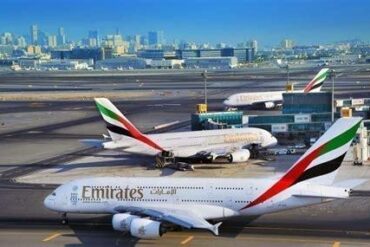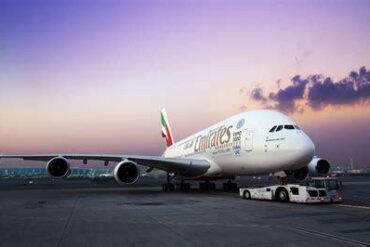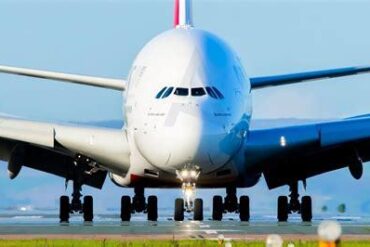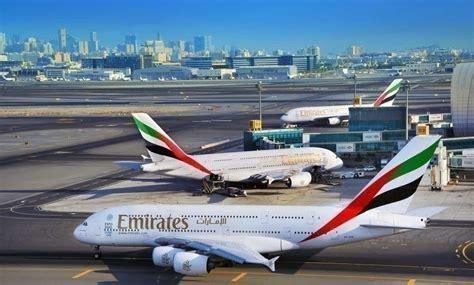
The Emirates Airbus A380, long celebrated as the crown jewel of long-haul aviation, is entering a pivotal transition. In a move that signals both operational recalibration and shifting market dynamics, the Dubai-based carrier has reduced flights operated by its ultra-dense 615-seat A380 configuration by a striking 62% year-over-year. For an aircraft once synonymous with scale and ambition, the change feels unmistakably like the closing chapter of a bold experiment.
At the heart of this shift lies a blend of geopolitical disruption and evolving passenger demand. The ongoing conflict involving Iran has forced Emirates to significantly adjust its April schedule, with ripple effects felt across its entire A380 network. Compared to April 2025, total A380 departures from Dubai have dropped by 43%, but the most dramatic impact is concentrated on the airline’s highest-capacity aircraft.
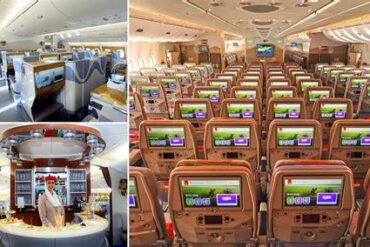
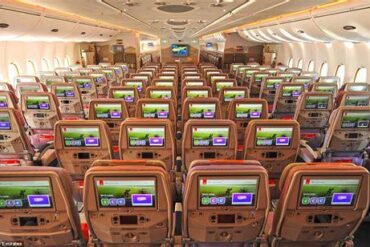
The 615-seat variant—an outlier even among superjumbos—was designed for maximum passenger throughput with minimal premium cabin space. Yet, in an era increasingly defined by yield optimization and premium travel experiences, its limitations have become harder to ignore.
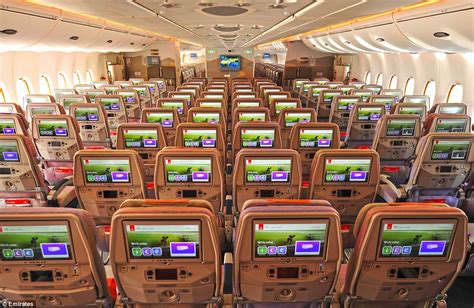
A Sharp Decline in High-Density Operations
The numbers tell a compelling story. In April last year, Emirates scheduled 394 departures using the 615-seat A380s, averaging up to 14 daily flights. Fast forward to this April, and that figure has dropped to just 150 departures, or roughly five daily rotations.
This contraction is not merely a temporary response. Routes that once relied heavily on the high-capacity aircraft—such as Copenhagen, Düsseldorf, Kuala Lumpur, London Gatwick, Prague, and Taipei—have seen the configuration completely withdrawn. These cuts highlight a deeper reality: filling over 600 seats consistently is a challenge in uncertain demand environments.
Two aircraft, A6-EOP and A6-EUX, have been notably absent from operations since late February. Data suggests one has remained in Guangzhou while the other is parked in Dubai, raising strong indications of maintenance cycles or early-stage retrofitting into Emirates’ upcoming configuration.
The Shift Toward a 569-Seat Future
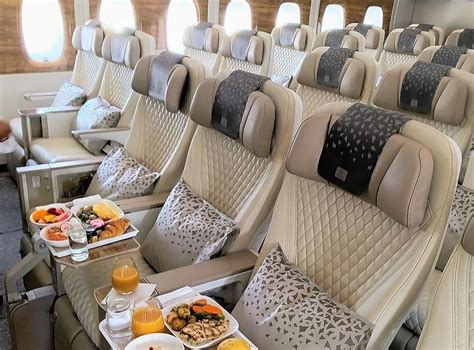
Emirates is not abandoning high capacity altogether—it is refining it. The airline plans to retrofit all 15 of its 615-seat A380s into a 569-seat layout, introducing a premium economy cabin while maintaining substantial economy capacity.
This strategic pivot reflects a broader industry trend. Airlines are increasingly recognizing that balanced cabin segmentation drives higher profitability than sheer volume alone. Premium economy, in particular, has emerged as a lucrative middle ground, attracting travelers willing to pay more for comfort without committing to business class fares.
The retrofit program underscores a subtle but important evolution: from maximizing seats to maximizing revenue per seat.
Where the 615-Seat A380 Still Flies
Despite the reductions, the world’s highest-capacity passenger aircraft hasn’t disappeared entirely. As of the latest schedules, five routes continue to see the 615-seat A380 in April:
- Bali/Denpasar
- Bangkok
- Birmingham
- Manchester
- Mauritius
Among these, Birmingham and Mauritius stand out as routes exclusively served by this configuration throughout the month. Birmingham, in particular, represents a fascinating case study. Emirates has served the UK city since 2000, and the A380 has been a fixture there since 2016.
Passenger data reveals the route’s resilience. In 2025, Emirates carried over 607,000 passengers between Birmingham and Dubai, achieving an average load factor of 80.5%. Notably, around 60% of travelers were connecting passengers, reinforcing Dubai’s role as a global transit hub.
A Look Back: The Peak of the 615-Seat Era
Just one year ago, the 615-seat A380 was operating at its peak. In April 2025, it served 15 routes, including major global cities such as Amsterdam, Hong Kong, Jeddah, and Casablanca. That month marked the highest number of departures ever recorded for this configuration.
Despite representing only 12% of Emirates’ A380 fleet, these aircraft accounted for 17% of total A380 flights. Their shorter average stage lengths allowed for more frequent rotations, effectively amplifying their operational presence.
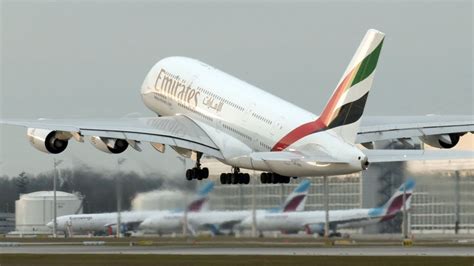
Yet this high utilization masked an underlying inefficiency. The configuration’s limited premium seating constrained revenue potential, particularly on routes where business and first-class demand remained strong.
The End of a High-Capacity Philosophy
The gradual phase-out of the 615-seat A380 is more than a fleet adjustment—it reflects a philosophical shift in airline economics. For years, Emirates demonstrated that scale could redefine long-haul travel. The 615-seat superjumbo was the ultimate expression of that vision.
But the market has evolved. Travelers now expect choice, comfort, and flexibility, and airlines are responding by rebalancing their cabins accordingly. The introduction of premium economy across Emirates’ fleet signals a commitment to meeting those expectations without sacrificing competitiveness.
As these aircraft transition into their new configuration, the legacy of the 615-seat A380 remains undeniable. It pushed boundaries, challenged conventions, and, for a time, redefined what was possible in commercial aviation.
Its departure from the skies in its original form marks not just the end of a configuration, but the end of an era defined by audacity and scale.