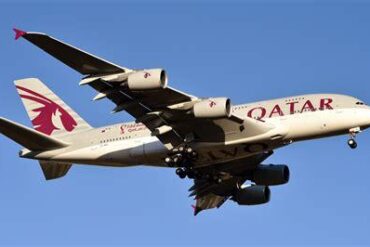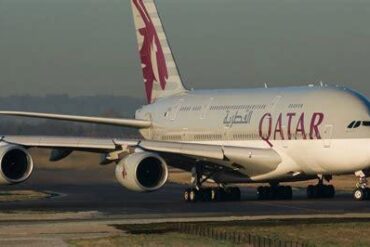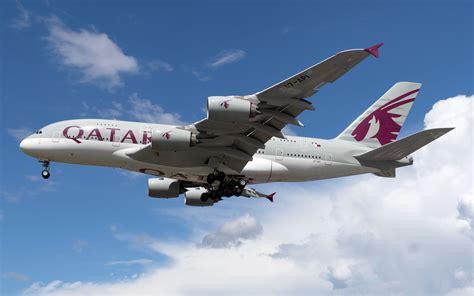
The global aviation landscape is undergoing another sharp recalibration as Qatar Airways dramatically reduces its Airbus A380 operations in 2026. Once a flagship symbol of long-haul luxury and high-capacity travel, the double-decker aircraft is now at the center of a sweeping operational rethink. The airline’s latest schedule reveals a 43% year-on-year drop in A380 departures, signaling both geopolitical disruption and evolving fleet strategy.
This reduction is not a minor seasonal adjustment—it represents a structural shift in how one of the world’s most prestigious carriers deploys its largest aircraft. With only 920 outbound A380 flights scheduled between April and December 2026, down from 1,620 in 2025, the scale of the cut is unmistakable.
Grounded Giants: Why Qatar Airways Parked Its A380 Fleet
At the heart of this sudden contraction lies regional instability, particularly the escalating conflict involving Iran, which has forced operational constraints across Middle Eastern airspace. In response, Qatar Airways grounded all eight of its active A380 aircraft during April and May 2026, effectively halting all superjumbo operations for two consecutive months.
This complete suspension is highly unusual for a carrier that typically relies on the A380 for high-demand trunk routes. The grounding alone accounts for more than half of the annual reduction in flights, but the ripple effects extend far beyond those two months.
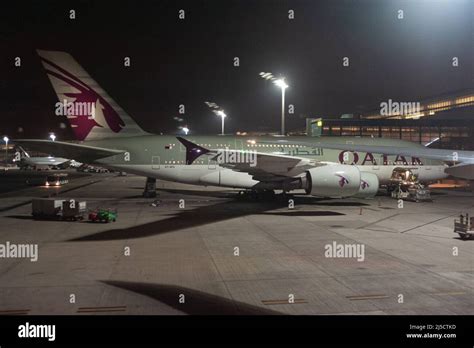
Compounding the situation, two of the airline’s earliest A380 deliveries—dating back to 2014—remain in long-term storage, further limiting fleet flexibility. The result is a dramatically reduced operational footprint for an aircraft once central to the airline’s identity.
A380 Route Network Shrinks to Bare Essentials
As operations cautiously resume, Qatar Airways is taking a highly conservative approach. From mid-June through August, the A380 will serve just two destinations: London Heathrow and Bangkok Suvarnabhumi. These routes are among the airline’s busiest, making them logical candidates for the limited deployment of high-capacity aircraft.
The A380 is scheduled to return on June 16, later than the previously planned June 1 restart, underscoring the fluid and unpredictable nature of current conditions. On its first day back, the airline will operate four departures—two each to London and Bangkok—timed strategically to align with connecting traffic flows through Doha.
This sharp contraction contrasts heavily with previous years, when cities like Paris, Singapore, and Sydney were regular A380 destinations. Their temporary removal from the network highlights the airline’s shift toward operational efficiency and risk mitigation.
Fleet Substitution: Smaller Aircraft Take Over Key Routes
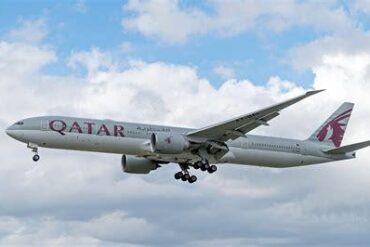
In the absence of the A380, Qatar Airways has deployed a mix of Boeing 777-300ER, Airbus A350-900, and A350-1000 aircraft to maintain connectivity across its network. These aircraft offer greater flexibility, lower operating costs, and are better suited to fluctuating demand levels during uncertain times.
Routes to Bangkok and London have seen the most consistent substitutions, while Singapore and Sydney have transitioned primarily to A350 variants. This shift reflects a broader industry trend: airlines are increasingly favoring fuel-efficient, mid-sized widebodies over ultra-large aircraft that require consistently high load factors to remain profitable.
The move also suggests that the A380, while still valuable, is no longer indispensable—even for premium carriers with global ambitions.
Gradual Recovery: A380 Routes Expand in Late 2026
Relief arrives gradually in the latter part of the year. Starting September 16, Qatar Airways plans to reintroduce A380 service to Paris, Singapore, and Sydney, restoring some semblance of its pre-disruption network. By October, the aircraft is expected to operate daily flights to four major destinations, with Bangkok receiving up to 10 weekly departures.
This phased return indicates cautious optimism. However, the airline is clearly avoiding overcommitment, maintaining flexibility in case conditions deteriorate again. October stands out as the least impacted month overall, with only a marginal reduction in A380 activity compared to 2025.
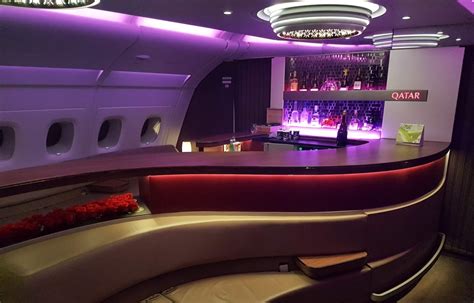
Winter Outlook: Persistent Cuts and Strategic Rebalancing
Despite the partial recovery, the winter season tells a more restrained story. Current schedules show a 23% reduction in November and a 21% drop in December compared to the previous year. The primary driver is a significant scaling back of flights to Bangkok, which previously saw up to 24 weekly A380 departures—a peak unmatched in the airline’s history.
In 2026, that frequency drops to just one daily flight, a level last seen in 2024. This alone accounts for a substantial portion of the winter decline, suggesting that demand—or operational confidence—has not fully rebounded.
Interestingly, Singapore emerges as a more consistent A380 destination in late 2026, following its introduction earlier in the year. This shift hints at a rebalancing of network priorities, possibly influenced by changing passenger flows and market dynamics.
A Strategic Inflection Point for the Airbus A380
The dramatic reduction in A380 operations is more than a reaction to short-term disruption—it reflects a deeper strategic evolution. Airlines worldwide have been reassessing the role of ultra-large aircraft, and Qatar Airways is no exception.
While the A380 still offers unmatched capacity and onboard luxury, its economics are increasingly challenging in a world defined by volatility. The events of 2026 may accelerate a long-term transition toward smaller, more versatile aircraft, even as the A380 retains a niche role on select high-demand routes.
For Qatar Airways, the message is clear: adaptability now outweighs scale. And in an industry where conditions can shift overnight, that flexibility may prove far more valuable than the grandeur of a double-decker jet.