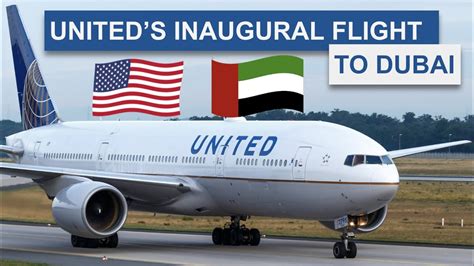
In a surprising move, United Airlines has suspended its daily flights between Newark Liberty International Airport (EWR) and Dubai International Airport (DXB) in the United Arab Emirates (UAE). This decision comes on the heels of a similar action taken by the airline regarding flights to Tel Aviv, Israel, prompted by escalating conflicts in the region. The suspension of direct flights to Dubai, a crucial hub in the Middle East, raises significant concerns for travelers and the airline’s operational framework.
The decision to halt flights to Dubai is particularly impactful given the city’s status as a premier global destination. Known for its vibrant business environment and luxurious tourism offerings, Dubai International Airport stands as one of the busiest airports worldwide, facilitating a vast array of international connections. The suspension leaves travelers scouring for alternative routes to the UAE, introducing a layer of complexity to their travel plans.
Travelers planning trips to Dubai will now face an array of challenges. With United Airlines being the only U.S. carrier offering direct flights from its hubs to this critical destination, passengers are left without immediate alternatives. They may need to navigate longer layovers and potentially higher costs as they seek new routes to reach the UAE. This disruption is especially notable for those who had already booked their tickets, necessitating quick action to either secure refunds or rebook their travel itineraries.
Regional Instability and Its Impact on Air Travel
The cancellation of United Airlines’ flights to Dubai reflects a broader trend within the airline industry, driven by increasing geopolitical instability in the Middle East. The ongoing conflict between Israel and Iran has escalated security concerns throughout the region, prompting airlines to reevaluate their flight operations to prioritize passenger safety. While Dubai has generally remained more stable compared to Tel Aviv, its geographical proximity to areas of conflict has raised alarm bells for airlines operating in the region.
Notably, less than a week prior to suspending flights to Dubai, United Airlines and other major carriers had already canceled flights to Ben Gurion International Airport in Tel Aviv due to missile strikes and rising tensions. The decision to suspend flights to Dubai is not merely a reaction to the situation in Israel but underscores the airline’s necessity to mitigate risks across its Middle Eastern route network. The ongoing conflict has ignited questions regarding the safety of air travel in this region, leading airlines to err on the side of caution by temporarily ceasing services to some of the most frequented airports in the Middle East.
Consequences for Passengers and Their Travel Plans
The abrupt cancellation of United Airlines’ flights to Dubai poses a significant setback for both leisure and business travelers who had planned visits to the city. Renowned for its modern architecture, opulent shopping destinations, world-class dining experiences, and rich cultural landmarks, Dubai attracts millions of tourists annually. Additionally, the city serves as a vital hub for business travelers, particularly in sectors like finance, trade, and technology.
With United Airlines’ suspension of its Dubai route, passengers must now explore alternative options to access the UAE. For those with existing bookings on the Newark to Dubai route, immediate action is required to either find new flights or obtain refunds. Although United is providing rebooking options, the sudden nature of this cancellation limits travelers’ choices, especially considering the scarcity of direct flights from the U.S. to Dubai.
Travelers may be forced to reroute their journeys through other international hubs, which can result in extended travel times and increased expenses. Moreover, many passengers use Dubai as a stopover for flights connecting to further destinations in Asia, Africa, and Europe. The cancellation of direct service means that those hoping to make such connections will need to reassess their travel plans significantly, particularly during peak travel seasons like summer.
Economic Ramifications for Dubai
The suspension of flights to Dubai carries far-reaching economic implications, particularly for the tourism sector within the UAE. Dubai has established itself as a global tourism magnet, with millions flocking to the city each year to experience its iconic attractions, such as the Burj Khalifa, Dubai Mall, and Palm Jumeirah. The influx of U.S. tourists forms a substantial portion of Dubai’s international arrivals, and United Airlines’ decision to cease its flights could lead to a noticeable decline in American visitors during a crucial travel period.
The absence of a major U.S. carrier offering direct flights is likely to compel some travelers to reconsider their plans, potentially resulting in a drop in hotel bookings, restaurant reservations, and other services reliant on international tourism. Beyond tourism, Dubai’s significance as a business hub cannot be understated. The city has emerged as a central location for multinational corporations seeking to expand their footprint in the Middle East. United’s flight cancellations could disrupt business travel, complicating plans for professionals attending conferences, meetings, or corporate events in the city.
United Airlines’ Commitment to Customer Support
In response to the suspension of flights, United Airlines is dedicated to supporting affected passengers. The airline is offering rebooking options for those impacted by the cancellation, ensuring travelers can adjust their itineraries as necessary. Furthermore, United is facilitating refunds for customers who either no longer wish to travel or cannot find suitable alternatives.
Passengers seeking assistance with rebooking or refunds can utilize United Airlines’ customer service channels, which remain open to provide essential support. The airline is closely monitoring the evolving situation in the Middle East and proactively updating passengers regarding any further changes to its flight schedule. Travelers are encouraged to stay informed by visiting United Airlines’ website or contacting customer service for real-time updates concerning their flights and potential rebooking options.

The Future of Air Travel in the Middle East
The suspension of United Airlines’ flights to Dubai underscores the significant challenges airlines encounter when operating in the Middle East amidst geopolitical instability. As conditions in the region continue to fluctuate, it is plausible that other carriers may also adjust their flight schedules or suspend services to areas perceived as high-risk. This environment necessitates that passengers remain adaptable and prepared for potential alterations to their travel arrangements.
Individuals planning trips to or through the Middle East should remain vigilant about developments and maintain communication with their airlines for updates on flight availability. Airlines, including United, will persist in modifying their operations as required to ensure passenger safety and mitigate disruptions. Given the dynamic geopolitical landscape, air travel in the region is likely to remain susceptible to ongoing adjustments, impacting both airlines and travelers alike.
Conclusion: Navigating the Uncertainties of Middle Eastern Travel
The suspension of flights to Dubai by United Airlines epitomizes the growing uncertainties surrounding travel in the Middle East amid rising tensions. For passengers intending to visit Dubai or transit through the UAE, flexibility will be paramount in navigating these disruptions. As the situation continues to evolve, travelers are encouraged to stay updated and collaborate closely with their airlines to manage any adjustments to their itineraries.