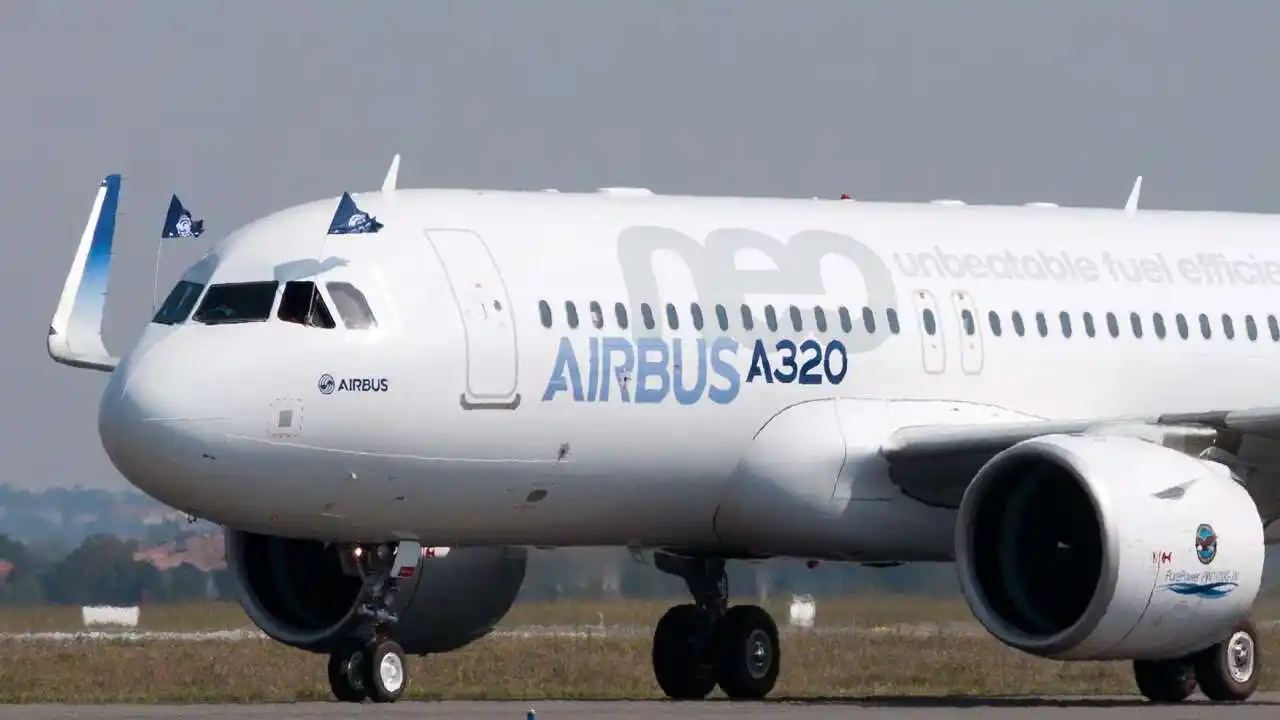
Airbus has been pushed into one of the most delicate moments in its commercial program in recent years — the A320 family stumble. Groundings, inspections, unexpected maintenance demands, and supply chain friction have collectively slowed output. Yet despite trimming its annual delivery target by roughly thirty aircraft, the European aerospace giant insists profit projections remain untouched. From an industrial perspective, that sounds like conjuring money out of thin air. From a financial standpoint, the math is far more disciplined, deliberate, and quietly ingenious.
The Delivery Revision: A Necessary Retraction, Not A Retreat
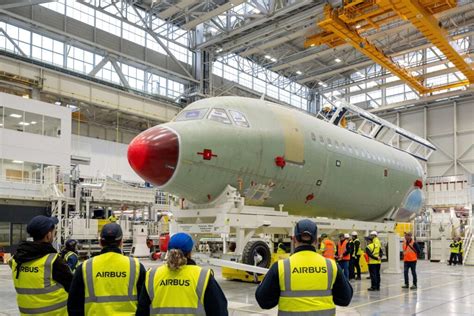
The manufacturer’s updated guidance shifts its delivery expectation for this year to 790 aircraft, down from an initial 820-unit target. This revision is rooted in two major disruptions: faulty fuselage panel production by Sofitec Aero in Spain and a global software glitch that briefly kneecapped a significant portion of the A320 lineup. More than 600 airframes required inspection due to questionable fuselage components, and up to half the worldwide narrowbody fleet experienced operational delays from the avionics setback. Such problems are not only technical — they interrupt fleet availability, airline scheduling, and the entire revenue rhythm of global carriers.
Despite this, Airbus publicly maintained its €7.0 billion EBIT Adjusted and €4.5 billion free cash flow expectations. That confidence implies something beyond optimism. It signals strategy.
Why Missing 30 Deliveries Doesn’t Sink Billions In Margin
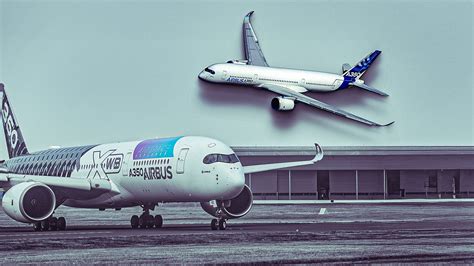
A narrowbody jet like the A320neo sits near the $110 million pricing band, fluctuating with customer configuration and negotiated discounting. A widebody like the A350-900 or A350-1000, however, can command more than triple the sticker valuation. Few deliveries of those long-haul flagships can financially neutralize dozens of single-aisle deferrals. Large airliners carry heavier margins because they are complex systems packed with long-range capability, composite architecture, and premium cabin commercial opportunity.
This is where Airbus’ confidence becomes rational rather than rhetorical. By leaning into high-yield airline orders, the company can deliver fewer units yet extract greater total value, a trick only possible for a manufacturer with deep backlog, global market share dominance, and leverage over supply chain tempo. Revenue resilience emerges not from motion — but from pricing power.
The A320 Turbulence: Not A Fatal Stall, But A Systems Reset
The A320 crisis is frustrating, but not existential. Short-haul fleets worldwide rely on this family like arteries rely on oxygen. Airlines cannot simply discard the type; they tune around the temporary friction. American Airlines alone endured over 500 delayed flights and 120 cancellations, but within days — not months — the software rollback restored operational stability. The fuselage panel concern broadened the engineering conversation but did not sever customer trust.
The real challenge is production cadence. Modern commercial aircraft supply chains resemble orchestral symphonies — a single faulty widget can mute an entire section. Sofitec’s panel imperfections forced Airbus into a defensive pause, ensuring safety and standard before scale. It reacted decisively: inspections, containment, reallocation of build flow. That response, though costly in immediate throughput, insured the long-term integrity of the A320 program.
Strategic Cushion: Why Profit Holds Firm
Three mechanisms allow Airbus to soften the shock while keeping revenue strong:
- Widebody prioritization, funneling resources into A350 deliveries with richer margin yield.
- Cash preservation, slowing expenditure on non-critical programs or development cycles.
- Backlog leverage, a deep order book enabling selective slot allocation to high-value contracts.
These levers are not theoretical. They are well-worn tools Airbus has used historically when supply instability collides with market demand. Even the recent 6% stock dip, following an initial 11% plunge, signals investor caution rather than abandonment. Markets adjust; factories recover; backlogs guarantee tomorrow.
The Bigger Picture: Fewer Products, Higher Value
This situation teaches a broader lesson in aerospace economics. Volume alone does not dictate victory — margin mix does. A company that sells fewer units but allocates production capacity toward premium models may outperform one that floods the market with lower-value aircraft. Airbus, in essence, is electing precision over pace. It is trimming output not out of weakness, but out of financial discipline.
Over the coming months, Airbus’ ultimate roadmap will sharpen. If widebody deliveries rise, investors will recognize the pattern. If spending slows while profitability remains steady, the tactic becomes unmistakable. The A320 issue will fade into history, a footnote rather than a fracture.
The aerospace world runs on engineering, fuel, and enormous financial patience. Airbus is demonstrating the third with unmistakable clarity — fewer planes, same profit is not magic. It is strategy, worked quietly behind factory walls and balance sheets, where every fuselage panel and cash flow entry matters.