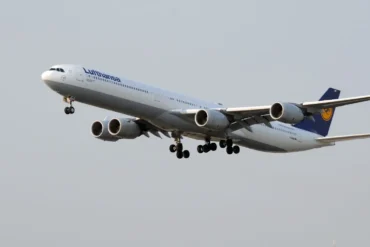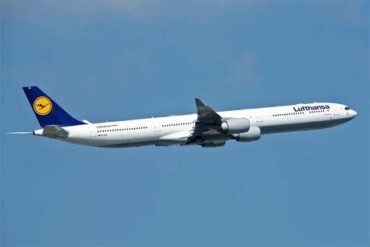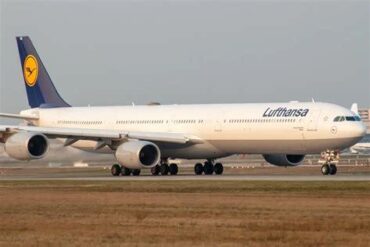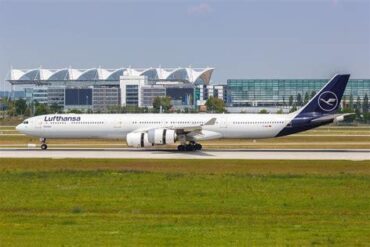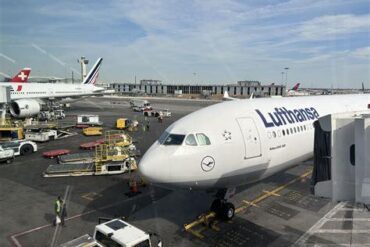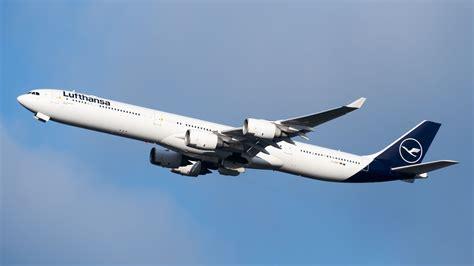
The continued presence of the Airbus A340 in Lufthansa’s long-haul fleet stands out as one of modern aviation’s most intriguing contradictions. In an era dominated by twin-engine efficiency, carbon reduction targets, and relentless cost optimization, the sight of a four-engine widebody lifting off from Frankfurt feels almost anachronistic. Yet this persistence is not rooted in nostalgia or reluctance to modernize. It is the product of a tightly reasoned strategy shaped by market recovery, aircraft availability, and the unforgiving realities of global aerospace supply chains.
For Lufthansa, the A340 has become a bridge between what the airline needs today and what manufacturers can realistically deliver tomorrow. While most global carriers rushed to retire quadjets during the pandemic, Lufthansa quietly positioned itself to reverse course when demand surged faster than the industry could respond. That decision continues to define its long-haul operations well into 2026, even as newer aircraft wait in congested production queues.
The A340’s survival at Lufthansa is therefore not a story of technological defiance, but one of operational necessity. Understanding why requires looking beyond fuel burn charts and into the complex intersection of fleet planning, passenger demand, certification bottlenecks, and geopolitical uncertainty.
The Post-Pandemic Capacity Shock That Changed Fleet Logic
When global travel collapsed in 2020, quadjets were the first casualties. Aircraft like the Airbus A340, Airbus A380, and Boeing 747 were grounded en masse as airlines scrambled to preserve cash. Lufthansa followed this pattern, parking its A340 fleet while relying on cargo operations and newer, more efficient aircraft such as the Airbus A350 and A320neo family.
What few predicted was the velocity of the rebound. As borders reopened and long-haul travel returned with unexpected force, airlines discovered that capacity had evaporated far more quickly than it could be rebuilt. Aircraft deliveries that were supposed to replenish fleets simply did not arrive on time. Airbus and Boeing both found themselves constrained by labor shortages, supplier failures, and stricter quality oversight.
For Lufthansa, this created an urgent mismatch between demand and available lift. Reactivating stored aircraft suddenly became the fastest way to restore network integrity. The Airbus A340, already owned, already paid for, and already certified across Lufthansa’s route structure, emerged as an immediate solution.
Why the Airbus A340 Still Makes Operational Sense
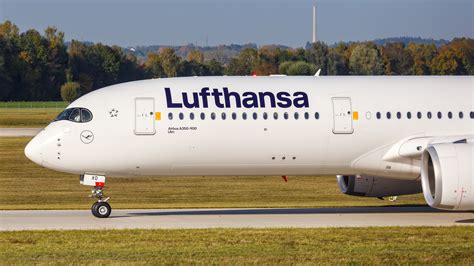
On paper, the Airbus A340 is outclassed by modern twins. It burns more fuel, carries higher maintenance costs, and lacks the efficiency gains delivered by composite airframes and next-generation engines. Yet airline economics are rarely governed by a single metric.
The critical factor is availability. An A350 that does not exist on the ramp generates zero revenue. A Boeing 787 delayed by certification issues cannot carry passengers, no matter how efficient it is supposed to be. In contrast, a reactivated A340 can be flying within weeks, immediately generating cash flow.
For Lufthansa, the A340’s long range and flexible payload capabilities remain well suited to secondary long-haul markets and high-demand seasonal routes. The aircraft’s four-engine design also provides operational resilience on ultra-long segments and in regions with limited diversion options, a factor that still carries weight in certain regulatory and planning environments.
Most importantly, booming passenger yields during the recovery phase offset the A340’s higher operating costs. When load factors are strong and premium cabins are full, the economic penalty of operating a quadjet narrows significantly. In that context, the A340 transitions from liability to asset.
Fleet Numbers Reveal a Controlled, Not Random, Strategy
As of the latest fleet data, Lufthansa operates 28 Airbus A340 aircraft across the -300 and -600 variants. Seventeen are active, while the remainder serve as operational reserves or await final retirement. This is not a sign of indecision, but of deliberate pacing.
The A340-300 forms the backbone of current operations, with twelve aircraft flying scheduled services. The larger A340-600, once intended for earlier retirement, remains active in limited numbers to support high-frequency transatlantic routes.
This controlled drawdown allows Lufthansa to adjust capacity dynamically while avoiding network disruption. Aircraft are removed only when replacements are firmly in place, not when spreadsheets suggest they should be.
Where Lufthansa Deploys the A340 Today
Route deployment tells a clear story about how Lufthansa views the A340’s role. These aircraft are not scattered randomly across the network; they are concentrated where their strengths still matter.
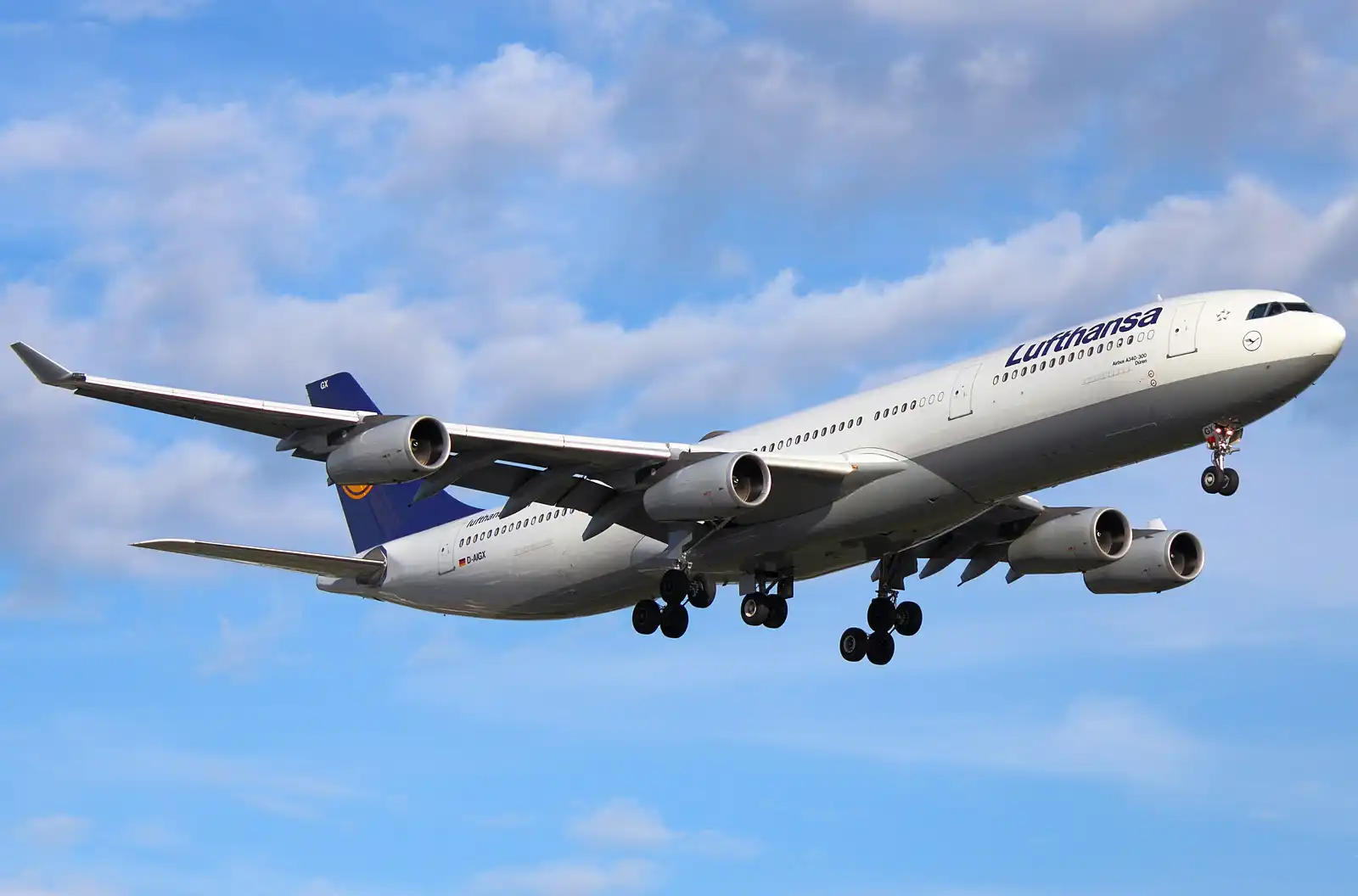
From Frankfurt, A340-300s serve destinations across four continents, including India, Southern Africa, North America, and parts of the Middle East. Cities such as Chennai, Cape Town, and Vancouver see frequent A340 operations, reflecting steady demand and sector lengths well within the aircraft’s comfort zone.
The A340-600, with its higher capacity, focuses on dense transatlantic markets like Chicago and New York. These routes benefit from frequency and premium demand, allowing Lufthansa to extract maximum value from an aging but still capable platform.
This targeted deployment underscores a key point: Lufthansa is not using the A340 because it has no alternative everywhere, but because it remains the right tool in specific contexts.
Cabin Configuration Still Supports Revenue Optimization
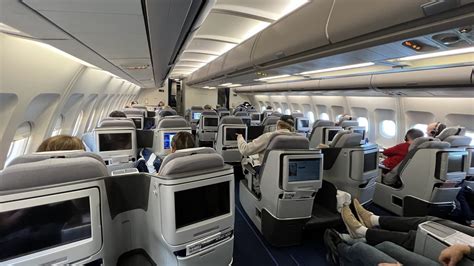
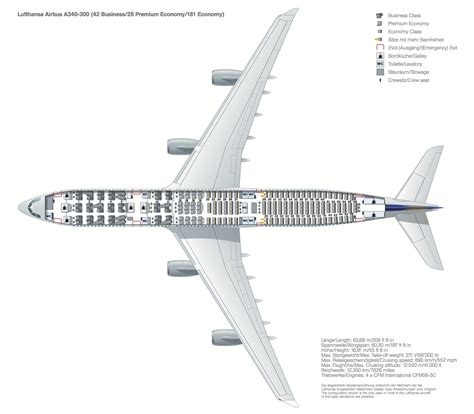
Despite its age, the Airbus A340 at Lufthansa is not a stripped-down relic. Cabin configurations remain aligned with the airline’s premium-heavy long-haul model. Business Class, Premium Economy, and Economy cabins are structured to maximize yield rather than raw seat count.
On the A340-300, the absence of First Class simplifies operations while maintaining strong premium density. The A340-600, meanwhile, continues to offer First Class on select aircraft, reinforcing Lufthansa’s brand presence on flagship routes.
While these cabins lack the latest Allegris features, they remain competitive enough to meet passenger expectations, particularly when schedule reliability and nonstop connectivity take precedence over seat novelty.
Delivery Delays Are the Real Culprit
The most decisive factor keeping the A340 airborne is not Lufthansa’s preference, but manufacturer delay. The Boeing 777-9, intended as a cornerstone of Lufthansa’s future fleet, has slipped repeatedly and is now expected no earlier than 2027 or 2028. Boeing 787-9 deliveries have been throttled by production and certification issues, compounded by delays tied to Lufthansa’s own cabin product approvals.
Airbus, too, has struggled to deliver A350s on original timelines. Supply chain fragility, engine availability, and labor constraints have turned what should be predictable deliveries into moving targets.
In this environment, fleet retirement schedules become aspirational rather than binding. Lufthansa cannot afford to reduce capacity based on promises instead of metal. The A340 remains until replacements physically arrive.
Environmental Reality Versus Network Stability
Operating a quadjet in 2026 invites criticism, particularly as airlines emphasize sustainability. Lufthansa is acutely aware of the A340’s environmental shortcomings. However, grounding aircraft without replacements would push passengers onto competitors or force indirect routings, often increasing total emissions per journey.
From a systemic perspective, maintaining nonstop connectivity with older aircraft can be less environmentally damaging than fragmenting demand across multiple flights or carriers. Lufthansa balances this reality by progressively reducing A340 utilization and prioritizing newer aircraft whenever possible.
The airline’s long-term sustainability goals remain intact; the A340 is a temporary compromise, not a philosophical shift.
The Inevitable Transition to a New Long-Haul Core
The future replacement strategy is clear. Lufthansa’s long-haul fleet will consolidate around three primary types: the Boeing 787-9, the Boeing 777-9, and the Airbus A350 family. Among these, the 787-9 and A350-900 are the most direct functional successors to the A340-300 and A340-600.
These aircraft match or exceed the A340’s range while delivering dramatic improvements in fuel efficiency, maintenance costs, and passenger comfort. Their flexibility allows Lufthansa to right-size capacity across a diverse global network without relying on four engines.
As deliveries accelerate, the A340 will retreat further, first disappearing from North American routes, then from secondary long-haul markets, before exiting entirely.
Signs of the End Are Already Visible
Operational data shows a steep decline in A340 usage compared to previous years. Frequencies to the United States have been cut sharply, and entire routes have transitioned to newer aircraft. The A340-600, once a flagship, is now approaching its final chapter, with retirement scheduled for early 2026.
Each incoming 787-9 directly displaces an A340, shrinking the quadjet footprint step by step. This phased approach minimizes disruption while ensuring Lufthansa’s network remains robust during the transition.
Why the A340’s Final Years Matter
The Airbus A340’s extended service at Lufthansa offers a rare case study in pragmatic airline management. It demonstrates that fleet decisions are not driven solely by efficiency curves, but by timing, availability, and strategic flexibility.
In an industry often obsessed with the new, Lufthansa’s willingness to extract remaining value from an older platform reflects disciplined realism. The A340 is not celebrated, nor is it ignored. It is used deliberately, transparently, and with a clear end in sight.
When the last Lufthansa A340 eventually leaves service, it will do so not as a stubborn holdover, but as an aircraft that fulfilled an unexpected second mission: stabilizing a global airline during one of aviation’s most volatile recoveries.