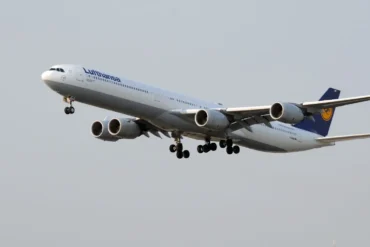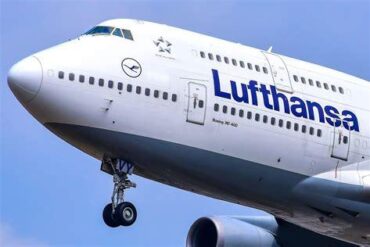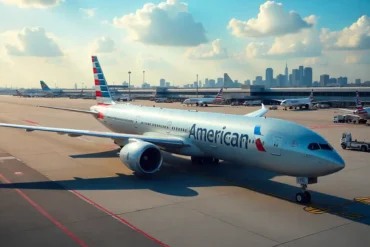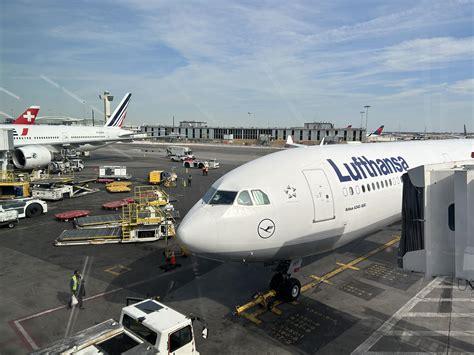
New York’s John F. Kennedy International Airport (JFK), once a thriving hub for Airbus A340 operations, has become the stage for a symbolic final act. As of mid-2025, Lufthansa remains the last airline operating the iconic four-engine Airbus A340 to and from JFK, specifically on the Frankfurt (FRA) to New York-JFK (LH404/LH405) route. This persistence, against a tide of global fleet modernization and increasing fuel economy demands, highlights not only the resilience of a bygone aircraft era but also the dynamic evolution of international air travel.
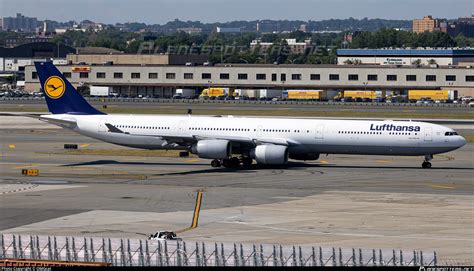
The Twilight of a Quadjet Giant
The Airbus A340, introduced in the early 1990s, was once hailed for its long-range capabilities, especially before the loosening of ETOPS (Extended-range Twin-engine Operational Performance Standards) regulations. Designed with four engines, the A340 was particularly suitable for transoceanic and ultra-long-haul routes where redundancy was paramount. However, its performance—especially in earlier variants like the A340-200 and A340-300—lagged behind competitors due to underpowered engines and higher fuel consumption.
Airlines began rethinking their reliance on the A340 well before the pandemic, but the global travel downturn of 2020 rapidly accelerated fleet retirement decisions. New York-JFK, a premium destination historically linked to a variety of long-haul aircraft, felt this shift acutely.
A Once-Crowded Stage
In January 2020, six A340 routes connected JFK with Europe, Africa, and beyond, serviced by major carriers such as Iberia, LOT Polish Airlines (through Air Belgium), South African Airways, Virgin Atlantic, and Lufthansa. These routes cumulatively provided 25 weekly departures, offering a tapestry of long-haul service unmatched by many global airports.
Yet the tide was turning. The early retirements of A340 fleets coincided with economic shocks, environmental scrutiny, and a new generation of twin-engine widebodies such as the Boeing 787, Airbus A350, and A330neo. These aircraft offered superior efficiency, range, and reduced operating costs, all while meeting new emissions standards. The final blow came when ETOPS and EDTO regulations allowed twins to match or exceed the operational envelope of quadjets like the A340.
Air Senegal’s Short-Lived Resurgence
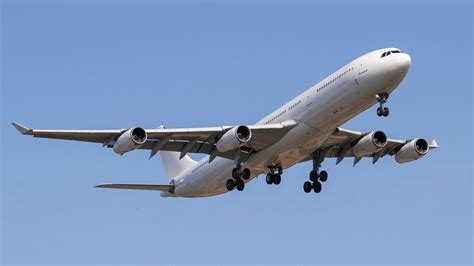
While Lufthansa steadily operated the A340 since 2021’s reopening of transatlantic travel, Air Senegal reintroduced the aircraft on May 9, 2024, connecting Dakar and JFK directly. However, this brief resurgence was more symbolic than strategic. By September 15, 2024, the airline withdrew the route entirely, citing fleet optimization and the switch to newer A330 aircraft. This marked the final departure of a non-European A340 from JFK.
Lufthansa’s Reluctant Loyalty to the A340
Lufthansa, ironically the launch customer of the A340, has maintained its commitment to the aircraft far longer than most peers. The German flag carrier currently deploys A340-300s daily between Frankfurt and JFK, under flight numbers LH404 and LH405. Schedule data from Cirium Diio Mi indicates these flights will continue until at least June 2026, though industry insiders note the timeline is subject to change pending aircraft delivery schedules and fleet availability.
The airline has cited delays in new aircraft deliveries, particularly from Airbus and Boeing, as a primary reason for retaining its A340 fleet. The continued use of the A340 allows Lufthansa to maintain capacity on high-demand routes without compromising schedule integrity.
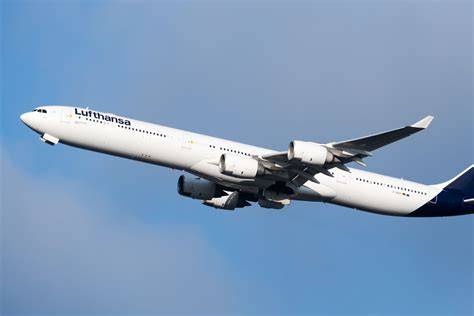
The Golden Years: Summer 2007 at JFK
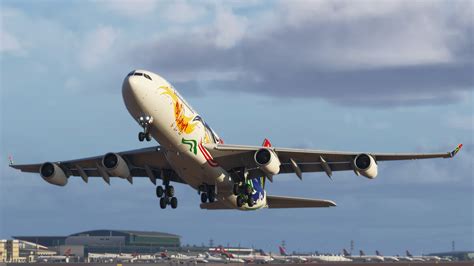
To fully appreciate the A340’s decline at JFK, one must look back to its golden age. In July 2007, JFK saw a staggering 138 weekly A340 departures from 16 different operators, making it one of the most A340-heavy airports in the world. These flights included direct and one-stop itineraries, reaching destinations such as:
- Bangkok (Thai Airways)
- Dubai via London (Emirates)
- Sydney via Papeete (Air Tahiti Nui)
- Madrid via London (Iberia)
- Manila via Vancouver (Philippine Airlines)
These routings were essential not only for intercontinental connections but also for strategic refueling and crew rotation. However, many of these one-stop A340 routes were short-lived, abandoned as market conditions evolved and more efficient aircraft entered fleets.
From Global Workhorse to Rarity
In 2007, aviation databases listed:
- 27 A340-200s
- 213 A340-300s
- 26 A340-500s
- 80 A340-600s in active commercial service
By 2025, those numbers have plummeted dramatically. The current active fleet includes:
- 25 A340-200s
- 63 A340-300s
- 6 A340-500s
- 30 A340-600s
Most of these aircraft are now operated by carriers in sanctioned or niche markets, including Iran and Venezuela, effectively eliminating the possibility of A340s returning to US skies from those regions.
Why JFK Still Matters for the A340
While Boston, Chicago O’Hare, Los Angeles, and Washington Dulles also receive sporadic A340 service from Lufthansa Group carriers like Edelweiss Air and Discover Airlines, JFK’s daily frequency makes it the last airport with sustained A340 operations. This makes JFK not just a symbolic outpost, but a living museum of long-haul aviation history.
This continued presence is also a reminder of the transatlantic power corridor between New York and Europe, where legacy flag carriers have long established dominance. Lufthansa’s use of the A340 here is not an accident—it’s a strategic bridge over a shrinking river of quadjet availability.
The Road Ahead: Will the A340 Ever Return to Prominence?
The resurgence of the A340 at JFK—or anywhere else in the US—is highly unlikely. With aircraft technology advancing rapidly and sustainability targets tightening, there’s little incentive for airlines to maintain aging, fuel-hungry quads.
Twinjets now dominate every performance metric once held by the A340. Aircraft such as the Boeing 787-10 and Airbus A350-1000 deliver longer range, lower maintenance costs, and vastly superior fuel economy. Unless unforeseen geopolitical shifts lead to reactivation of A340 fleets in open markets, JFK’s solo Lufthansa flight may mark the last chapter of an aircraft type that once defined long-haul excellence.
A Closing Act in Aviation History
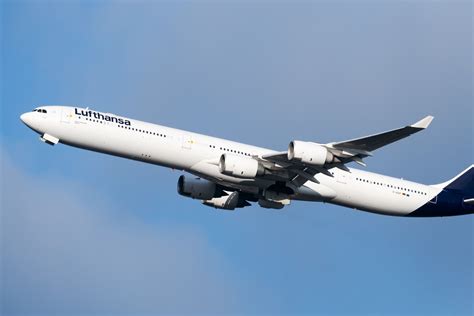
As aviation modernizes, New York-JFK’s sole Airbus A340 route stands as a quiet, noble defiance against the swift and unrelenting march of efficiency. Lufthansa’s A340s cutting through the Atlantic sky, engines humming in sync, are not just mechanical flights—they are reminders of a time when power, prestige, and reach were defined by four engines and unlimited ambition.
Unless the world reverses course in aircraft economics and emissions regulation, the era of the quadjet at JFK will soon become a memory shared only in photos, logs, and the faint roar above the Atlantic.