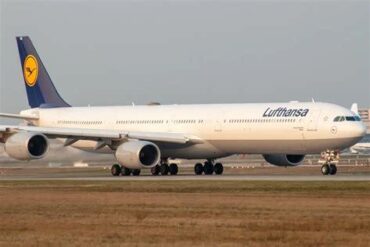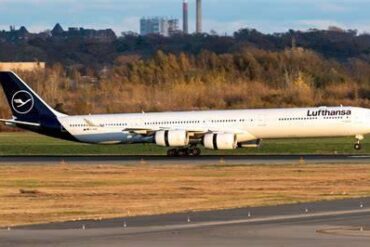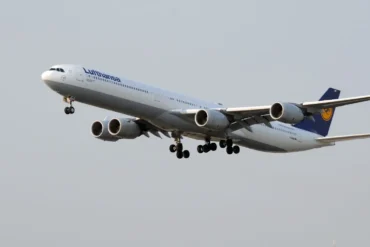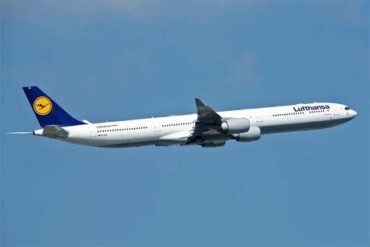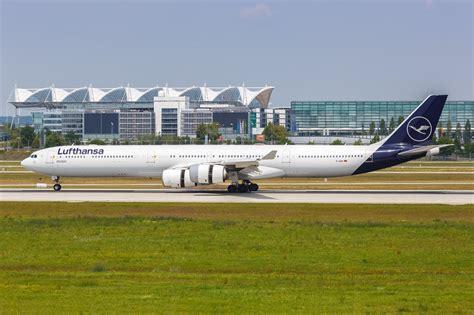
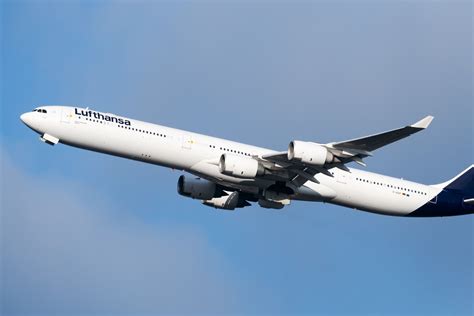
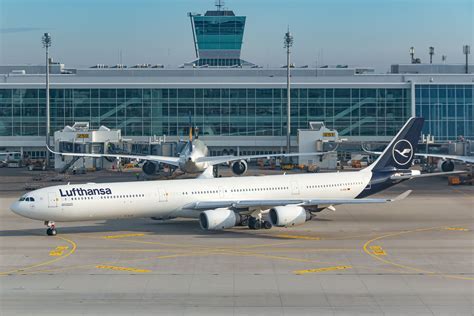
Lufthansa’s long-haul fleet strategy has undergone yet another adjustment as the German flag carrier extends the operational life of its Airbus A340-600s into early 2026. This decision comes as a direct response to continued delays in the delivery of Boeing 787 Dreamliners, which were expected to progressively replace the aging four-engined aircraft.
The A340-600s—among the longest aircraft ever built—have had a storied presence within Lufthansa’s widebody operations. Initially withdrawn during the pandemic in favor of more efficient twinjets, they were reintroduced to service in mid-2022 as a temporary stopgap due to manufacturing delays plaguing Boeing. With the manufacturer still unable to meet delivery targets, Lufthansa has been left with little choice but to keep the A340s in service longer than anticipated.
Lufthansa’s Revised Timeline: A Farewell Deferred
The final retirement of Lufthansa’s A340-600 fleet is now expected in spring 2026, with scheduled operations lasting until at least January of that year. According to filings seen on both the airline’s website and data from Cirium, Lufthansa plans to deploy the aircraft through January 12, 2026, with its final scheduled route connecting Riyadh to Frankfurt.
A Lufthansa spokesperson confirmed to aviation outlet aero.de that the airline would maintain the aircraft for a few additional months, despite previous plans to phase them out by the end of summer 2024. Lufthansa’s current internal planning appears to exclude the A340-600 from the 2025/26 winter flight schedule, but this remains subject to change depending on Boeing’s fulfillment timeline.
Summer 2025: A340s Serving Key Long-Haul Routes
During its final full summer in the Lufthansa fleet, the A340-600 will continue to operate a select number of long-haul services from its base in Frankfurt. Despite the type’s gradually shrinking role, it will still serve some of Lufthansa’s most critical international destinations.
In August 2025, Lufthansa’s A340-600 will fly to:
- Hong Kong (Daily)
- Riyadh (Daily)
- Chicago O’Hare (Four times weekly)
- Shanghai Pudong (Three times weekly)
While the aircraft’s winter 2025/26 deployment remains unconfirmed, these routes reflect its final operational footprint. Lufthansa will maintain a reduced winter schedule, focusing on essential services only, with three routes—Boston, New York-JFK, and Riyadh—operated daily.
Why Lufthansa Can’t Let Go of the A340 Yet
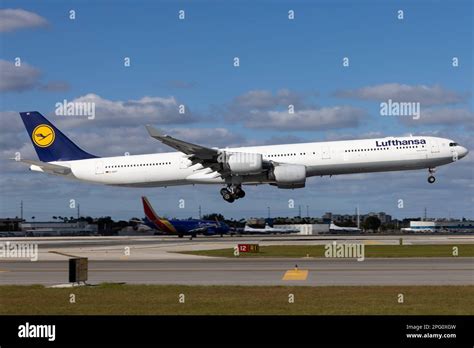
Lufthansa has long intended to retire its older aircraft, especially the fuel-intensive A340-600, in favor of newer, more efficient jets such as the Boeing 787-9 Dreamliner and the Airbus A350-900. However, production issues at Boeing—stemming from regulatory scrutiny, supply chain bottlenecks, and internal quality control—have crippled delivery timelines.
Lufthansa was expecting 8–10 additional Boeing 787s by the end of 2024, but delays have pushed these timelines further into 2025. Compounding the issue, the airline’s eagerly anticipated Allegris cabin upgrade has faced certification hurdles with the U.S. Federal Aviation Administration (FAA), slowing down the integration of the new 787s into service.
As a result, Lufthansa has been compelled to keep older aircraft in operation longer than planned, adopting a strategy of fleet flexibility over fuel efficiency, at least temporarily.
Fleet Evolution: From 24 A340-600s to Just 7
At the height of its operations, Lufthansa operated a fleet of 24 Airbus A340-600s. The gradual retirement of the fleet began in 2016, accelerated in 2020 during the COVID-19 pandemic, when long-haul demand collapsed. At that point, the entire A340-600 fleet was grounded.
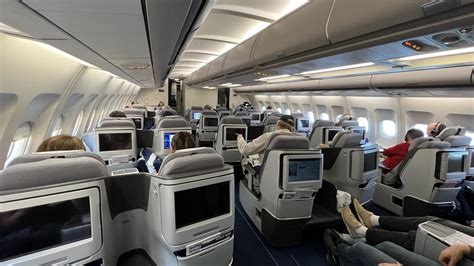
In May 2022, the airline reactivated 10 aircraft, citing immediate capacity needs due to the delays in 787 deliveries. However, retirements resumed at the beginning of 2024, reducing the fleet to just seven active units today. These are all based in Frankfurt and configured with 281 seats, including Lufthansa’s older premium cabin offerings.
Reinforcements from Within: Airbus A350s Step In
To ease pressure on its long-haul schedule, Lufthansa has made another strategic move: transferring six Airbus A350-900s from Munich to Frankfurt. These modern twinjets, known for their fuel efficiency and reduced emissions, are filling in where 787s were supposed to operate.
This redeployment allows the airline to maintain key intercontinental services from its primary hub, even as fleet modernization lags. The A350s serve as a stopgap, ensuring operational reliability without overreliance on older quadjets.
A Vanishing Breed: The Decline of A340-600 Globally
Lufthansa’s insistence on keeping the A340-600 operational highlights the aircraft’s increasing rarity in commercial service. According to data from ch-aviation, only 18 units remain active worldwide, a sharp contrast to its once more prevalent status.
Here’s how the remaining global fleet looks:
- Lufthansa: 7 units (Passenger, 281 seats)
- Mahan Air: 4 units (Passenger, 308–316 seats)
- European Cargo: 3 units (Freighter conversion)
- USC: 1 unit (317 seats)
- Conviasa: 1 unit (Passenger, 308 seats)
- Azerbaijan Airlines (AZAL): 1 unit (VIP, 80 seats)
- Sky Prime Aviation / Alpha Star: 1 unit (VIP, 50 seats)
The aircraft’s four-engine design is now seen as a disadvantage, especially in the era of ETOPS-certified twinjets that offer the same range with significantly lower fuel burn and maintenance costs. For Lufthansa, maintaining the A340 is not about efficiency, but about necessity born from strategic delays and regulatory stagnation.
Conclusion: Holding Pattern Before a Clean Break
Lufthansa’s extended reliance on the Airbus A340-600 is a pragmatic reaction to challenges beyond its immediate control. Boeing’s continued failure to meet delivery schedules, coupled with regulatory delays around Lufthansa’s cabin reconfigurations, has forced the airline into a holding pattern.
Though the end of the A340-600 era is inevitable and approaching, the aircraft continues to serve a crucial role within the airline’s network—bridging the gap between an aging past and a modernized future. The first quarter of 2026 now marks the definitive end of one of the most iconic aircraft types in Lufthansa’s fleet.
With the eventual arrival of the full 787 fleet and expanded A350 operations, Lufthansa will finally achieve its goal of operating an intercontinental fleet composed entirely of new-generation aircraft. Until then, the A340-600 remains an enduring presence in the skies—a testament to aviation adaptability amid an era of uncertainty.