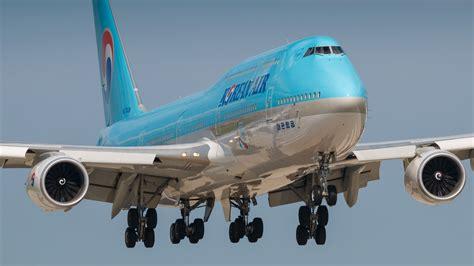
Korean Air has made a bold strategic decision in the face of global aircraft manufacturing delays, extending the service life of its Airbus A380 and Boeing 747-8 aircraft well beyond their originally intended retirement date. Initially scheduled for phase-out by 2026, these widebody giants will now remain central to the airline’s long-haul operations, underscoring Korean Air’s agility in managing supply chain disruptions while maintaining premium service standards.
Korean Air Confronts Fleet Delivery Gridlock with Legacy Titans
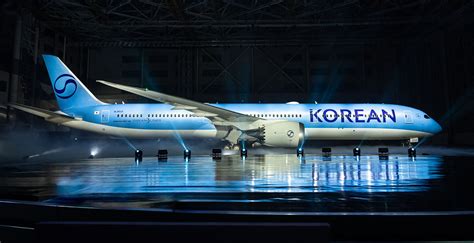
The aviation industry is no stranger to setbacks, but the current logjam in aircraft deliveries has forced airlines worldwide to rethink their modernization strategies. Korean Air, which had anticipated the arrival of next-generation fuel-efficient aircraft such as the Boeing 777-9, 787-9, and Airbus A350-900, now faces a significant backlog—20 aircraft each from Boeing and Airbus remain undelivered.
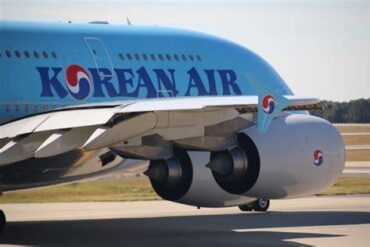
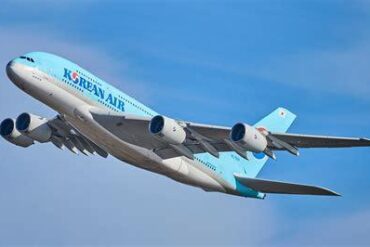
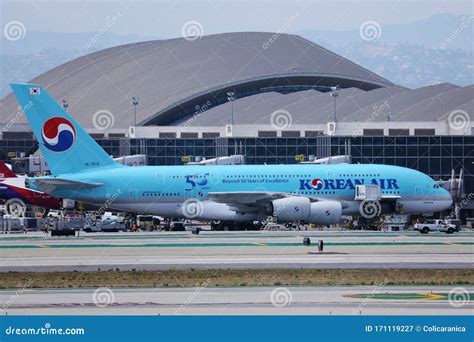
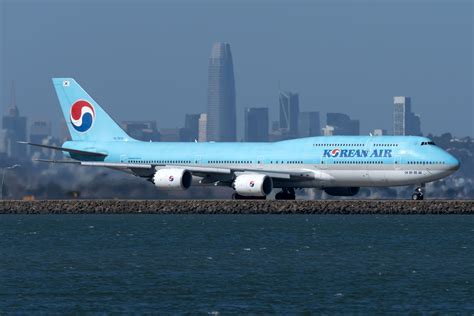
Instead of scaling down operations or compromising route coverage, Korean Air has chosen to retain its six Airbus A380s and eighteen Boeing 747-8s. These aircraft, originally destined for decommissioning within the next year, have proven vital in preserving the airline’s extensive global network.
The Enduring Prestige of the A380 and 747-8 Fleet
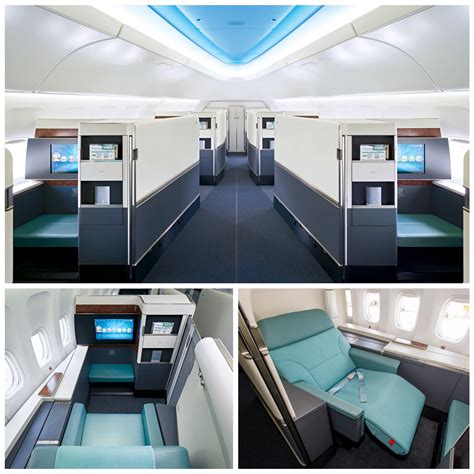
Far from being relics, Korean Air’s A380 and 747-8 aircraft continue to represent luxury, scale, and endurance. The Airbus A380s, tailored for high-capacity long-haul service, remain a hallmark of Korean Air’s premium travel experience. Each aircraft features 51 Flagship Business Suites, two exclusive lounges for First and Business Class passengers, and a distinctive duty-free boutique on the lower deck.
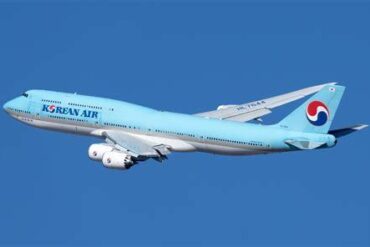
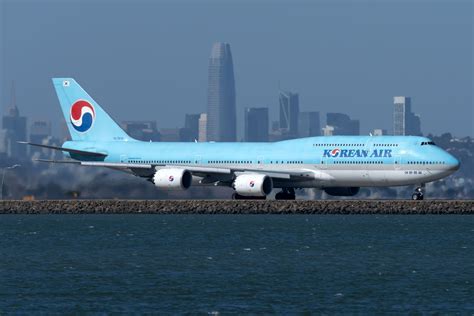
Meanwhile, the Boeing 747-8—the last passenger version of the iconic “Queen of the Skies”—is not only a nod to aviation history but a workhorse for intercontinental flights. Korean Air’s 747-8s support major routes to North America, Europe, and the Middle East, allowing the airline to uphold high service standards even as it awaits fleet reinforcements.
Strategic Adaptation: Bridging the Gap with Comfort and Class
In response to delivery uncertainties, Korean Air is not merely maintaining these jets—it is enhancing them. The airline has begun retrofitting its Boeing 777-300ERs with the upgraded Prestige Suites 2.0, elevating the Business Class experience through wider lie-flat seats, increased privacy, and in-flight tech integration.
This stopgap measure reflects a wider strategic commitment: maintain brand prestige, protect network scale, and meet customer expectations, even when new aircraft are slow to arrive. Korean Air’s approach contrasts with carriers who opt for route consolidation or reduce widebody reliance—highlighting its premium service ambitions in Asia’s fiercely competitive long-haul market.
Long-Term Vision Anchored in Short-Term Realities
Korean Air’s plan remains ambitious. Over the next two years, it is expected to receive:
- 24 Boeing 737 MAX 8s for regional and domestic routes,
- 20 Boeing 777-9s for major international expansion,
- Multiple Airbus A350-900s and 787-9 Dreamliners to lead its next-generation long-haul fleet.
However, with ongoing manufacturing and supply chain disruptions, timelines are fluid. The airline’s decision to extend the use of older aircraft reflects a pragmatic acceptance that operational continuity matters more than theoretical fleet optimization.
The Asiana Merger: A380 Expansion through Consolidation
Korean Air’s future A380 operations are set for a surprising boost through its impending merger with Asiana Airlines, another legacy Korean carrier. As part of the integration, Korean Air will inherit eight additional A380s from Asiana, pushing its superjumbo fleet to 14 aircraft—the largest in East Asia.
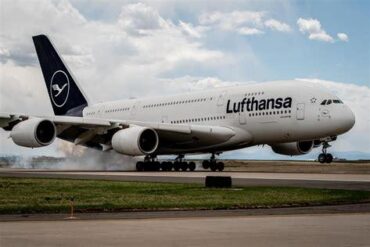
This merger not only reshapes Korea’s aviation landscape but also signals the airline’s willingness to double down on A380 operations at a time when many global competitors—such as Lufthansa and Qatar Airways—have opted to retire theirs. For Korean Air, the A380 is not obsolete; it’s a strategic asset aligned with routes demanding scale and prestige.
Competitive Edge Despite Aging Assets
Critics may argue that continued reliance on the A380 and 747-8 is anachronistic in an era increasingly defined by environmental efficiency and fleet rationalization. Yet, Korean Air’s formula is nuanced. These aircraft enable:
- High-density routes to cities like Los Angeles, London, and Paris to remain profitable,
- An unmatched onboard experience for First and Business Class passengers,
- Operational resilience, allowing the airline to maintain frequencies without compromising service quality.
While newer aircraft would offer lower per-seat operating costs and reduced emissions, Korean Air is investing in sustainability through modernization of cabin interiors, more efficient ground operations, and gradual transition to newer types once deliveries normalize.
Global Context: Korean Air Among the Last Guardians of the 747-8
As of mid-2025, Korean Air is one of only three airlines worldwide still flying the Boeing 747-8. Lufthansa has reduced its fleet, and Air China has largely shifted focus to newer models. This makes Korean Air’s ongoing commitment to the aircraft both a heritage choice and a business decision.
Passengers continue to favor the 747-8’s iconic upper deck seating, while aviation enthusiasts flock to routes where these rare giants still operate. Korean Air leverages this unique selling point by offering a blend of nostalgia, service, and scale unmatched by more common twinjets.
Conclusion: Legacy Carriers, Legacy Jets, and a Future in Transition
Korean Air’s decision to extend the life of its Airbus A380 and Boeing 747-8 fleet is not an act of desperation—it’s a calculated move rooted in operational necessity and brand identity. In a world where delays in aircraft manufacturing have upended planning cycles, Korean Air is preserving its international dominance without compromising on the travel experience.
The coming years will test the airline’s adaptability as new aircraft gradually join the fleet. But until then, passengers flying Korean Air will continue to enjoy the grandeur and elegance of two of the most iconic aircraft ever built—flying not just between destinations, but across eras of aviation history.