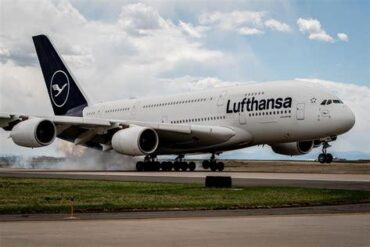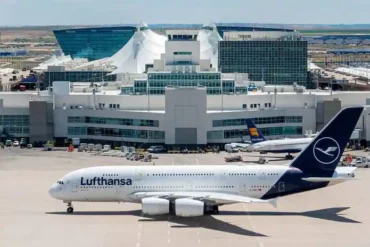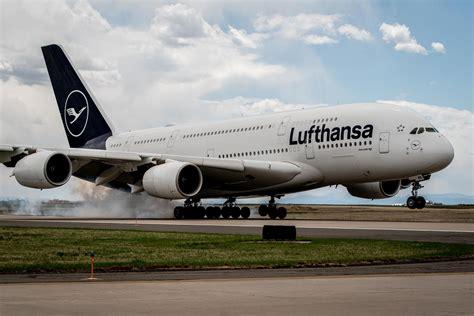
Germany’s Lufthansa has officially extended its Airbus A380 operations between Munich Airport (MUC) and Denver International Airport (DEN), adding another month to what was already a highly anticipated schedule. Originally set to end by September 30, 2025, the German flag carrier’s superjumbo flights will now continue until October 24, 2025. This strategic move highlights Lufthansa’s commitment to meeting strong transatlantic demand, while also optimizing fleet utilization on one of its key US routes.
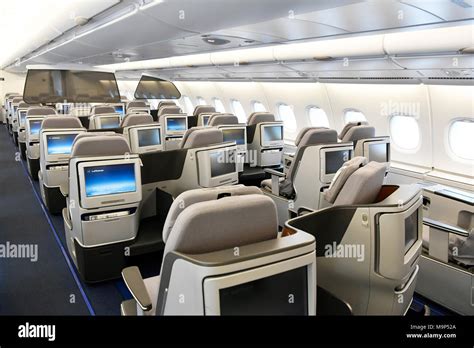
The Airbus A380, renowned for its unparalleled passenger capacity and comfort, has proven to be a powerful asset in Lufthansa’s transatlantic operations. The extension of the A380’s presence on the Munich–Denver route means travelers will have more opportunities to experience the flagship double-decker’s spacious four-class cabin. Lufthansa’s A380s feature eight first-class suites, 78 business-class seats, 52 premium economy seats, and 371 standard economy seats, offering a total capacity of 509 passengers per flight. This configuration underscores Lufthansa’s focus on catering to both premium and leisure segments across the Atlantic.
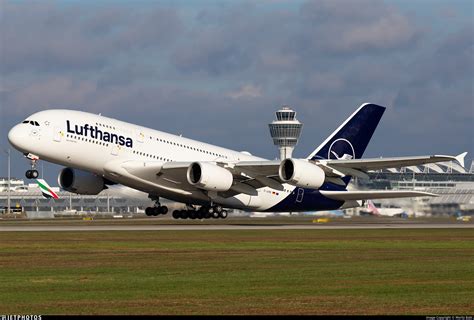
According to data from aviation analytics company Cirium, Lufthansa plans to operate 13 A380 flights to Denver during October 2025. These flights will be scheduled on Wednesdays, Fridays, and Sundays, maintaining a consistent presence in the market during the extended month. This pattern is a calculated balance between maintaining high-capacity service and adjusting for seasonal demand fluctuations as autumn travel trends evolve.
The Transition To Airbus A350 After A380 Operations
While the A380’s presence in Denver is set to delight passengers for an additional month, Lufthansa has confirmed its plan to transition the route to the Airbus A350-900 starting from November 2025. The A350-900, while smaller in capacity than the A380, offers significant advantages in terms of fuel efficiency, lower emissions, and cost-effective operations. Lufthansa’s current fleet includes 30 Airbus A350-900s and five Boeing 787-9 Dreamliners, both of which are mainstays of its modern long-haul operations.
The switch to the A350 aligns with Lufthansa’s broader strategy of deploying aircraft tailored to seasonal and route-specific demand. The A350’s advanced aerodynamics and quiet, fuel-efficient Rolls-Royce Trent XWB engines make it particularly suited for routes that require a balance between premium cabin offerings and operational efficiency.
Lufthansa’s A380 Network And The Significance Of The Munich Hub
The Munich hub plays a pivotal role in Lufthansa’s A380 strategy, especially since the airline shifted its superjumbo operations away from Frankfurt. The decision was driven by cost considerations, including disputes over airport fees, and has resulted in Munich becoming the primary base for Lufthansa’s eight remaining A380s. Prior to the pandemic, Lufthansa operated up to 14 A380s, but reduced its fleet to the current eight due to changing market dynamics and the temporary grounding of the type during the COVID-19 crisis.
In 2025, Lufthansa’s A380s will serve eight key destinations, demonstrating the aircraft’s enduring relevance on high-demand routes. These include:
- Bangkok Suvarnabhumi International Airport (BKK)
- Boston Logan International Airport (BOS)
- Delhi Indira Gandhi International Airport (DEL)
- Denver International Airport (DEN)
- Washington Dulles International Airport (IAD)
- New York John F. Kennedy International Airport (JFK)
- Los Angeles International Airport (LAX)
- San Francisco International Airport (SFO)
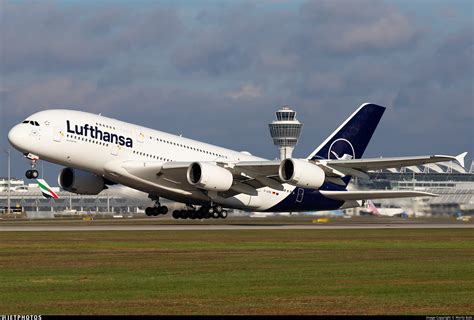
Six of these eight destinations are in the United States, a clear reflection of Lufthansa’s commitment to the lucrative transatlantic sector. The US market’s robust demand for both business and leisure travel, combined with the A380’s capacity, makes the aircraft ideal for connecting Munich with these major American hubs. The remaining two destinations, Bangkok and Delhi, represent strategic links to high-volume Asian markets.
Passenger Experience And Operational Considerations
For passengers flying the Munich-Denver A380 service, the experience aboard the superjumbo is a standout in the Lufthansa portfolio. The first-class cabin offers exceptional privacy and comfort, while business-class passengers benefit from lie-flat seating and enhanced service. Premium economy provides extra space and upgraded amenities, and economy-class travelers enjoy generous seat width and the quiet of the A380’s double-deck configuration.
From an operational standpoint, Lufthansa’s decision to extend A380 service reflects a data-driven approach to capacity planning. Cirium data highlights how Lufthansa continuously adapts its fleet deployment, offering daily A380 flights throughout the summer and fall travel peaks, supplemented by daily Boeing 787-9 Dreamliner services. The mix ensures flexibility and responsiveness to market demand, while maintaining efficiency on both sides of the Atlantic.
The Future Of Lufthansa’s Superjumbo Operations
The A380’s extended deployment on the Denver route represents not just an operational decision but also a symbol of Lufthansa’s confidence in the transatlantic market’s resilience. Although the A380 fleet is smaller than in previous years, its selective use allows Lufthansa to capitalize on peak demand periods without the inefficiencies associated with operating large aircraft year-round on every route.
As the airline looks beyond October 2025, the emphasis will increasingly shift toward more fuel-efficient and environmentally sustainable aircraft like the Airbus A350 and Boeing 787. Nonetheless, the A380 will continue to play a prominent role on routes where high capacity and premium product differentiation are essential.
Conclusion
The extension of Airbus A380 operations to Denver through October 2025 underscores Lufthansa’s agile fleet strategy and its commitment to providing superior passenger experiences on key transatlantic routes. By aligning aircraft deployment with demand patterns, Lufthansa ensures it remains competitive in one of the world’s most important aviation markets while offering travelers the opportunity to fly aboard one of the most iconic airliners ever built. As the airline transitions to more fuel-efficient models for the winter season, the A380 will continue to symbolize a unique blend of capacity, comfort, and capability on the busiest and most prestigious long-haul corridors.