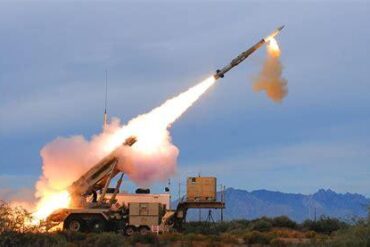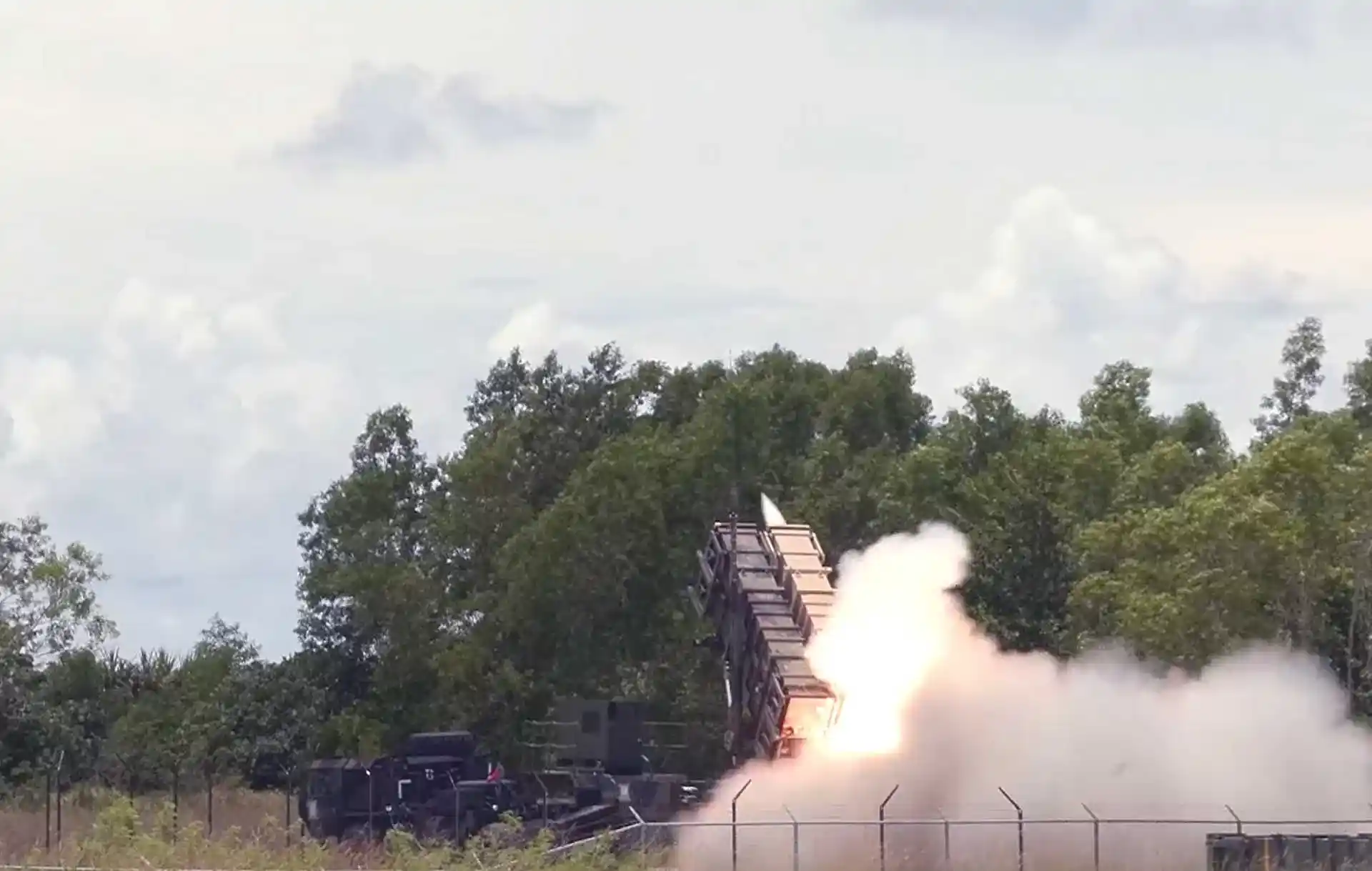
U.S. Army air defense operations in Okinawa, Japan are playing a pivotal role in deterring and countering growing missile threats from North Korea and China. The 1st Battalion, 1st Air Defense Artillery Regiment (1-1 ADA) is maintaining a relentless operational tempo, deploying Patriot Advanced Capability-3 (PAC-3) missile systems around the clock. These operations underscore the strategic importance of Japan in the U.S.’s Indo-Pacific defense posture, especially as tensions continue to rise across the region.
Strategic Deployment in the First Island Chain
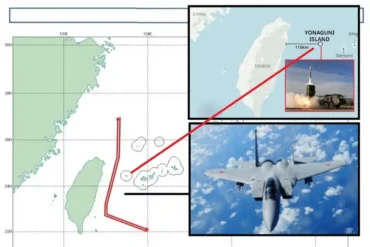
Positioned within the First Island Chain, Japan acts as a geographic linchpin in regional defense. From Okinawa, U.S. air defense units safeguard vital infrastructure, including major bases, airfields, and nearby civilian zones. The PAC-3 systems ensure multi-layered missile protection essential for preserving operational continuity and supporting joint force projection across the Western Pacific.
U.S. Army personnel from 1-1 ADA operate on a persistent rotational cycle, sustaining uninterrupted surveillance and fast-response capabilities. Their mission reflects meticulous operational discipline, including rapid threat assessments and instantaneous engagement readiness. With no downtime allowed, this constant vigilance assures comprehensive airspace dominance over Okinawa and beyond.
The Patriot PAC-3: America’s Missile Shield in the Pacific
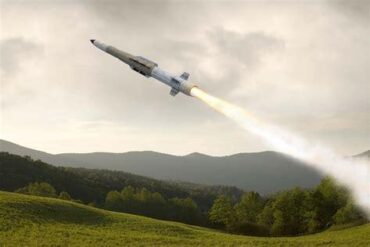
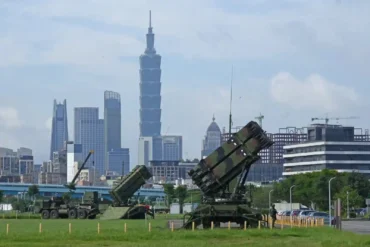
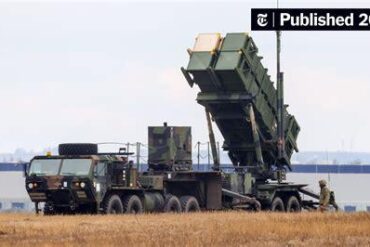
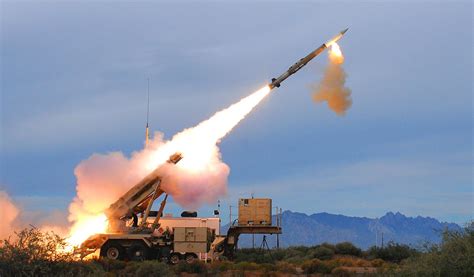
At the core of these operations is the Patriot PAC-3, one of the most sophisticated ground-based air and missile defense systems in the U.S. arsenal. This iteration of the Patriot system is tailored for intercepting ballistic and cruise missile threats as well as hostile aircraft and drones. Its central radar component, the AN/MPQ-65 phased-array radar, provides long-range tracking and discrimination in both cluttered and contested electromagnetic environments.
Capable of detecting aerodynamic targets beyond 150 km and ballistic threats beyond 100 km, the radar system can track over 100 airborne targets simultaneously. Its electronically scanned array facilitates instant beam steering, ensuring fluid target updates even in saturated attack scenarios.
Hit-to-Kill Precision and High Altitude Interception
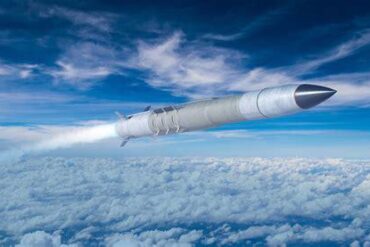
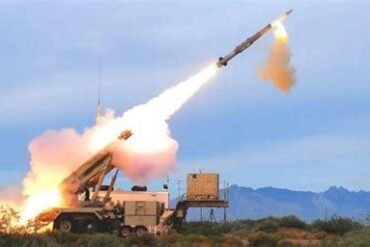
Unlike earlier systems relying on explosive warheads, the PAC-3 interceptor employs hit-to-kill kinetic energy to obliterate incoming threats. With an effective engagement range of 35 to 45 km and an interception altitude reaching 30 km, the system is designed for maximum lethality against modern ballistic threats, including maneuverable and depressed trajectory missiles.
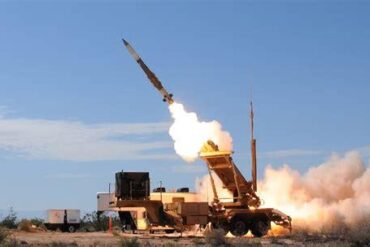
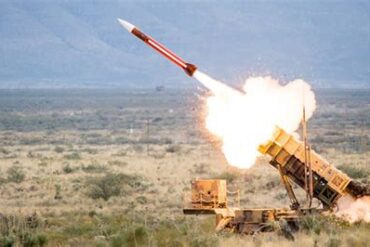
Each launcher supports up to 16 PAC-3 interceptors, allowing significant volume fire capabilities and resilience against saturation attacks. These missiles are agile enough to engage warheads during their terminal reentry phase, dramatically boosting kill probability even in complex salvos.
Interoperability with Allies and Regional Defense
Interconnected with joint and allied sensors, the Patriot PAC-3 systems gain an expanded early warning advantage. This integration not only extends engagement windows but also facilitates coordinated, multinational responses to airborne threats. The 1-1 ADA battalion frequently collaborates with the Japan Air Self-Defense Force (JASDF), reinforcing bilateral air defense operations through joint drills and shared situational awareness protocols.
Such efforts enhance the U.S.–Japan Security Treaty, transforming it from a diplomatic commitment into a combat-ready partnership. The forward deployment of U.S. systems and personnel enhances interoperability, assuring Japan of America’s military backing in the face of regional aggression.
Countering the North Korean Ballistic Missile Threat
North Korea’s rapidly advancing missile programs remain a central concern. Pyongyang has launched numerous short- and medium-range ballistic missiles (SRBMs and MRBMs) tailored to evade interception—featuring maneuverable reentry vehicles (MaRVs), low trajectories, and clustered launches. These tactics are specifically designed to overwhelm defense systems.
The PAC-3’s precision and high-speed response are integral to neutralizing such threats. Live-fire exercises conducted by the 1-1 ADA validate the system’s performance against simulated North Korean missile profiles, ensuring high readiness and mission confidence under pressure.
China’s Expanding A2/AD Capabilities
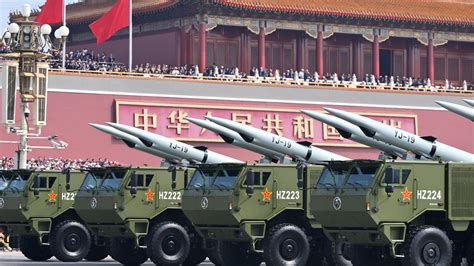
Equally alarming is China’s evolving anti-access/area denial (A2/AD) strategy. The People’s Liberation Army Rocket Force (PLARF) continues to field a wide spectrum of conventionally armed ballistic missiles, cruise missiles, and stealth-capable aircraft. These systems are engineered to paralyze U.S. and allied forces in the opening phase of any regional conflict.
The strategic positioning of PAC-3 systems in Okinawa directly challenges Beijing’s calculus by presenting a formidable defensive barrier. Not only does this complicate Chinese targeting strategies, but it also diminishes the probability of achieving operational surprise.
Fortifying Deterrence through Constant Vigilance
By maintaining round-the-clock defense readiness, the 1-1 ADA battalion actively supports integrated deterrence. These efforts signal to potential adversaries that U.S. and allied forces remain capable of sustained operations, even amidst a high-intensity missile threat. The presence of Patriot batteries discourages aggression by raising the cost of any offensive action.
More importantly, the operation has a deeply human dimension. Army families and Okinawan communities live under the protective reach of these systems. The U.S. Army’s “Life in Okinawa” series emphasizes how air defense soldiers not only defend territory but also safeguard the well-being of military and civilian residents.
A Model for Integrated Air and Missile Defense Modernization
The deployment of the PAC-3 by the 1-1 ADA offers a living example of how the U.S. Army is redefining air and missile defense as a frontline mission. No longer relegated to rear-echelon duty, these systems are now embedded into combat-ready formations. This evolution reflects a broader doctrinal shift driven by the proliferation of long-range precision weapons.
The 1-1 ADA’s constant presence in Okinawa affirms a commitment not only to regional partners but also to the Army’s modernization roadmap. As threats become more diverse and multidimensional, forward-deployed, agile, and networked defenses like the PAC-3 will remain indispensable to preserving U.S. freedom of action.
Conclusion: Strategic Certainty in an Uncertain Era
Amidst an increasingly volatile Indo-Pacific, the U.S. Army’s air defense posture in Okinawa serves as a robust shield and a visible symbol of resolve. Through advanced technology, disciplined operations, and allied coordination, the Patriot PAC-3 systems form the first line of defense against North Korean unpredictability and Chinese expansionism.
With these capabilities firmly in place, the U.S. not only defends its forces and allies but also sends a clear message of deterrence: any attempt to threaten peace in the region will be met with immediate, precise, and overwhelming defensive action.