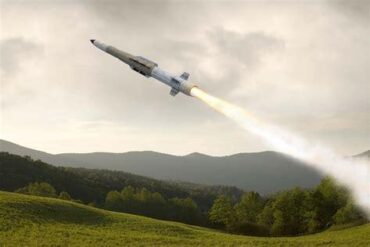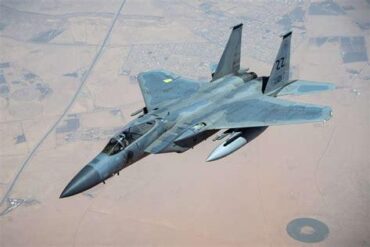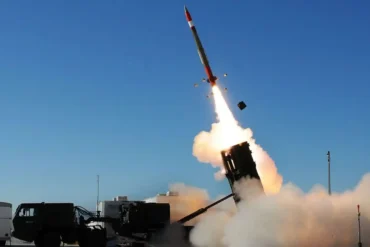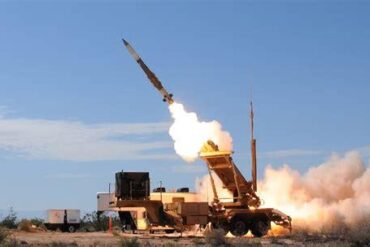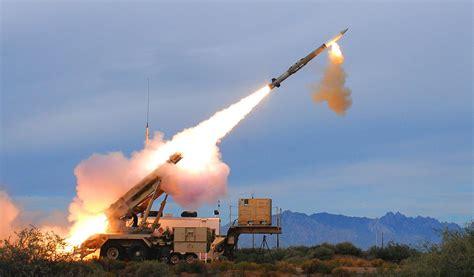
The United States has approved a landmark $9 billion arms package authorizing the potential transfer of Patriot PAC-3 Missile Segment Enhancement interceptors to Saudi Arabia, a move that signals a renewed emphasis on integrated air and missile defense across the Gulf. The decision arrives amid escalating regional missile threats and follows Washington’s recent approval in principle for F-35 Lightning II stealth fighters for the kingdom, underscoring a strategic reset in U.S.–Saudi defense cooperation.
Announced through notifications from the Defense Security Cooperation Agency and confirmed by the Pentagon, the proposed sale centers on 730 PAC-3 MSE missiles, the most advanced variant of the combat-proven Patriot family. Saudi Arabia, designated a Major Non-NATO Ally, has relied on Patriot batteries for decades, but the MSE upgrade expands its ability to defeat modern ballistic and cruise missiles while countering advanced aircraft and emerging hypersonic profiles.
U.S. officials emphasized that the package supports American foreign policy and national security objectives by reinforcing Saudi Arabia’s defensive posture without destabilizing the broader Middle Eastern balance. Integrated into the U.S. Central Command architecture, the sale is framed as a stabilizing measure that enhances collective security while preserving U.S. force readiness and interoperability across allied air defense networks.
Strategic Significance Of The $9 Billion Patriot Approval
At the heart of the approval is Washington’s calculation that missile defense, not offensive strike, is the most responsible way to strengthen partners facing persistent aerial threats. The PAC-3 MSE’s hit-to-kill design relies on pure kinetic energy rather than explosive warheads, allowing precise engagements with minimal collateral risk. This philosophy aligns with U.S. efforts to harden critical infrastructure against saturation attacks involving drones, cruise missiles, and short-range ballistic systems.
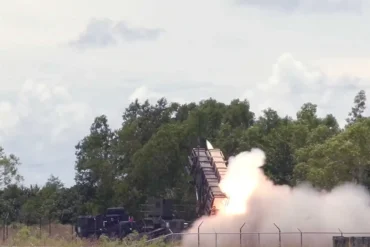
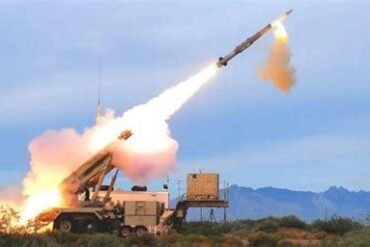
The sale package extends beyond interceptors alone. It includes launcher upgrade kits, encrypted software, training systems, spare parts, technical documentation, and long-term logistical and engineering support, ensuring Saudi operators can sustain readiness while integrating upgrades seamlessly into existing Patriot units deployed across the kingdom.
PAC-3 MSE Technology: Hit-To-Kill At Its Peak
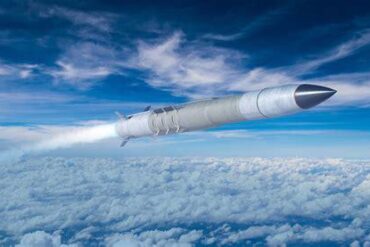
The PAC-3 MSE represents the apex of Patriot evolution. A larger dual-pulse solid rocket motor delivers higher thrust, enabling greater engagement ranges and higher intercept altitudes. Enlarged control fins paired with an advanced Attitude Control Section give the missile exceptional agility during terminal flight, allowing rapid course corrections against maneuvering targets.
Guidance is provided by a Ka-band active radar seeker, capable of all-weather target acquisition with exceptional precision. Upgraded electronics, hardened components, improved thermal batteries, and refined software expand the engagement envelope. The result is a missile capable of defeating tactical ballistic missiles, cruise missiles, advanced aircraft, and future hypersonic threats with consistent lethality.
Integrated Air And Missile Defense In The Gulf
A defining advantage of the PAC-3 MSE is its ability to plug into a broader Integrated Air and Missile Defense ecosystem. The interceptor shares data with THAAD, the Integrated Battle Command System, advanced radars such as LTAMDS, and sensor feeds from F-35 stealth fighters. This networked approach enables 360-degree coverage and earlier threat detection, compressing engagement timelines.
Global demand for this capability surged after the Ukraine conflict highlighted the decisive role of layered air defenses. Lockheed Martin accelerated production, delivering more than 620 PAC-3 MSE interceptors in 2025, reflecting allied confidence in the system’s performance.
Parallel Approvals: F-35s, Israel, And Regional Balance
The Patriot decision lands alongside U.S. arms approvals across the region. Washington cleared major military sales to Israel, including Apache attack helicopters and joint light tactical vehicles, reaffirming commitments to Israeli security while maintaining its Qualitative Military Edge.
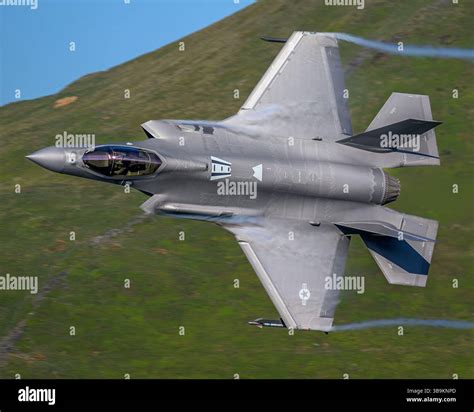
Approval for F-35 sales to Saudi Arabia, reportedly involving a request for 48 aircraft, remains subject to congressional review. Critics argue the jets could alter regional airpower dynamics, while supporters note that pairing stealth aircraft with advanced missile defense strengthens deterrence without encouraging escalation.
Congressional Review And Long-Term Implications
The $9 billion Patriot package now enters the U.S. congressional review process, where lawmakers will scrutinize safeguards, end-use monitoring, and regional implications. If finalized, the deal would reinforce Saudi Arabia’s role as a cornerstone of Gulf air defense.
Strategically, the approval illustrates a clear doctrine: resilience over retaliation. By prioritizing defensive systems capable of neutralizing complex threats, Washington signals that stability is best preserved through denial of enemy objectives. In an era of proliferating missiles, the PAC-3 MSE sale positions Saudi Arabia behind defensive shields.