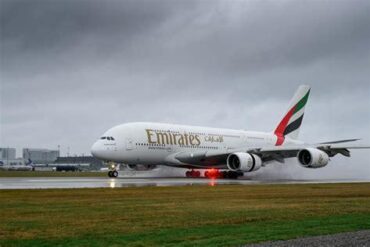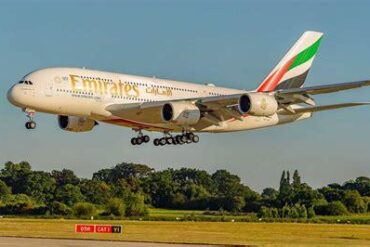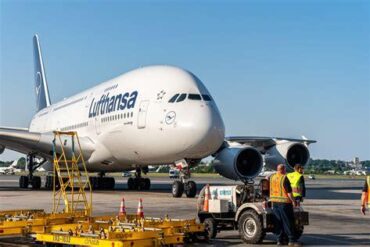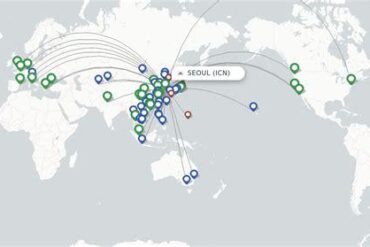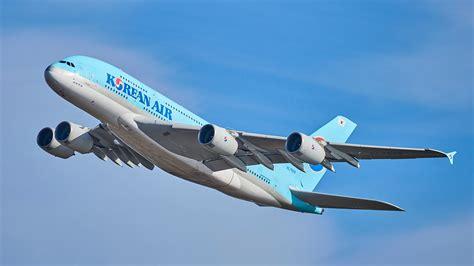
Korean Air’s gradual withdrawal of the Airbus A380 from 11 international routes marks a decisive shift in long-haul strategy, signaling the end of an era for one of aviation’s most iconic aircraft. Once a symbol of capacity, prestige, and premium-heavy configurations, the superjumbo is now increasingly sidelined as airlines recalibrate for efficiency, flexibility, and post-pandemic demand realities.
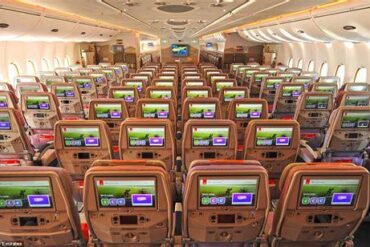
Operating a modest fleet of just six Airbus A380s today—down from ten originally—Korean Air has always been a relatively small player in the global A380 landscape. Yet its early adoption in 2011 positioned it as a pioneer in Northeast Asia, deploying the aircraft across high-demand corridors with a distinctly premium-heavy layout. Each aircraft features just 407 seats, significantly fewer than most competitors, with over a quarter dedicated to business and first class—an unusually high ratio that defined the airline’s luxury-forward approach.
This unique configuration made the A380 ideal for select trunk routes, but also inherently limited its versatility. As demand patterns evolved and cargo economics gained prominence, the airline began systematically withdrawing the type from multiple destinations.
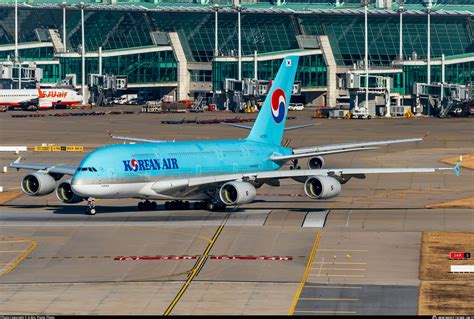
Full List of Korean Air A380 Routes Discontinued
The following routes have seen the Airbus A380 removed entirely from scheduled operations between 2011 and early 2026. These changes reflect both long-term strategic adjustments and temporary disruptions that ultimately became permanent.
- Seoul Incheon – Paris Charles de Gaulle
- Seoul Incheon – Hong Kong
- Seoul Incheon – Bangkok Suvarnabhumi
- Seoul Incheon – Atlanta
- Seoul Incheon – Sydney
- Seoul Incheon – Taipei Taoyuan
- Seoul Incheon – London Heathrow
- Seoul Incheon – Frankfurt
- Seoul Incheon – Guangzhou
- Seoul Incheon – Beijing Capital
- Seoul Incheon – Prague
These routes once formed the backbone of Korean Air’s high-capacity international network. Today, none are served by the A380, underscoring a complete operational pivot.
Why Korean Air Is Moving Away From the A380
The retirement of A380 services across these routes is not a sudden decision but the result of multiple overlapping factors. The aircraft’s size, once its greatest strength, has become a constraint in a market that increasingly rewards adaptability.
Fuel efficiency remains a critical consideration. Modern twin-engine aircraft such as the Boeing 777-300ER offer comparable range with significantly lower operating costs. Additionally, these aircraft provide superior cargo capacity—an increasingly vital revenue stream in today’s aviation landscape.
Equally important is demand fragmentation. Where once a single daily A380 flight could absorb traffic, airlines now prefer multiple frequencies with smaller aircraft, offering passengers greater flexibility while reducing risk on underfilled flights.
The Rise and Fall of the A380 on Key Long-Haul Routes
Among the most notable withdrawals is the Seoul–Atlanta route, a flagship SkyTeam corridor connecting two major hubs. At its peak, the A380 operated daily flights, catering to both business and connecting passengers. By 2017, however, frequency had dropped to just three weekly services before disappearing entirely.
The transition away from the A380 on this route highlights a broader industry trend. Even on ultra-long-haul sectors exceeding 15 hours, airlines now favor aircraft that balance passenger demand with cargo efficiency. Korean Air’s reliance on the 777-300ER reflects this shift, as it offers a more sustainable economic model.
European Operations: From Dominance to Disappearance
Europe once represented a stronghold for Korean Air’s A380 operations. Cities such as Paris, London, and Frankfurt regularly welcomed the double-decker aircraft, particularly during peak travel seasons. London Heathrow, one of the world’s busiest airports, saw seasonal A380 deployments between 2016 and 2019, with frequencies fluctuating based on demand.
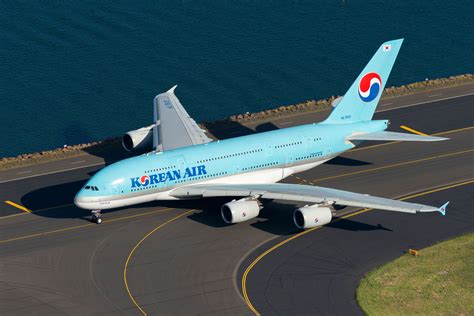
However, the COVID-19 pandemic in 2020 effectively halted these operations. While some routes briefly saw A380 returns in subsequent years, the aircraft never regained its former prominence. The economics simply no longer aligned with the realities of a recovering and reshaped global travel market.
Short-Term Deployments and One-Off Flights
Not all A380 operations were long-term commitments. Some routes saw extremely limited usage, often tied to specific events or temporary demand spikes. The Prague service in March 2014 is a prime example, where the aircraft was deployed for a major European technology conference requiring expanded premium seating.
Similarly, Beijing Capital saw just a week of A380 operations in September 2011, while Guangzhou hosted the aircraft intermittently during the early pandemic years. These brief appearances underscore the aircraft’s role as a flexible capacity tool—albeit one that proved increasingly impractical over time.
What Replaces the A380 in Korean Air’s Fleet Strategy
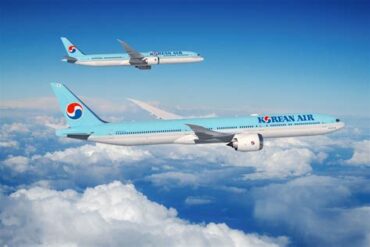
The withdrawal of the A380 does not signal a reduction in Korean Air’s global ambitions. Instead, it reflects a strategic realignment toward aircraft that better match modern operational needs. The Boeing 777-300ER has emerged as the backbone of long-haul operations, offering an optimal blend of range, efficiency, and cargo capability.
In parallel, newer-generation aircraft are expected to play an expanding role, enabling the airline to maintain network breadth while improving profitability. This transition aligns with broader industry trends, where flexibility and efficiency outweigh sheer capacity.
A Symbolic End to the Superjumbo Era
The Airbus A380 remains an engineering marvel, but its role in commercial aviation is undeniably shrinking. For Korean Air, the aircraft once represented ambition, scale, and premium excellence. Today, its gradual disappearance from 11 routes reflects a pragmatic response to changing market dynamics.
While the skies may still see the occasional Korean Air A380, its dominance across major international routes has effectively come to an end. In its place rises a new generation of aircraft—and a more agile, economically resilient approach to global air travel.