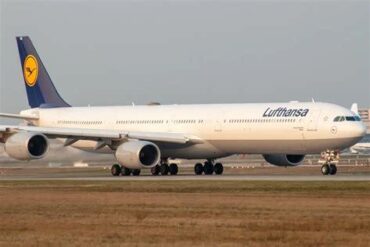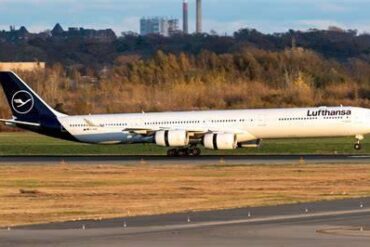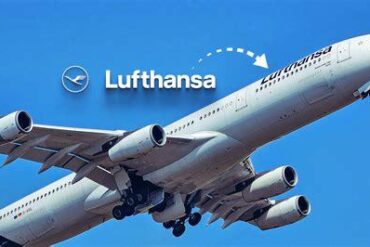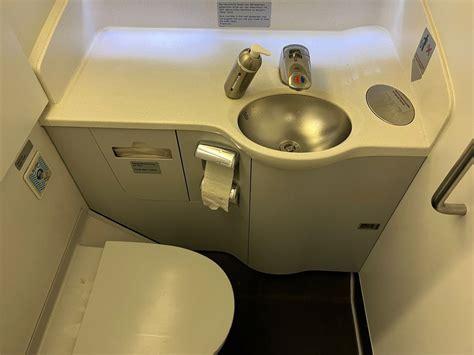
When aviation enthusiasts talk about the quirks of aircraft design, few features spark as much curiosity as the restroom placement in Lufthansa’s Airbus A340-600. This unusual design choice has captured the imagination of travelers and aviation fans alike, especially with passengers sharing videos of themselves walking down a staircase mid-flight to use the bathroom. But what lies behind this peculiar decision? Why did Lufthansa opt to place restrooms in the cargo hold of the A340-600?
The answer to this question is rooted in a complex combination of aircraft design, operational needs, and passenger comfort. The aircraft’s unique structural features allowed Lufthansa to innovate in a way that most other airlines didn’t. Here’s an in-depth look at why Lufthansa’s A340-600 features restrooms in the cargo hold and how this design benefits both the airline and its passengers.
Maximizing Space: The Primary Motivation Behind the Design
The primary motivation for placing lavatories in the cargo hold was to free up valuable space on the main passenger deck. Space optimization is a critical concern for airlines operating long-haul flights, as they need to balance comfort, passenger capacity, and service areas. By moving some of the restrooms to the lower deck, Lufthansa was able to add more seating in the main cabin, expand galleys for better meal service, and reduce congestion in premium cabins.
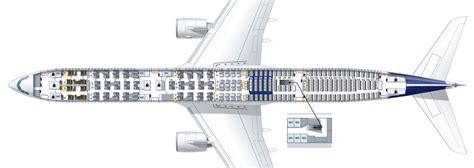
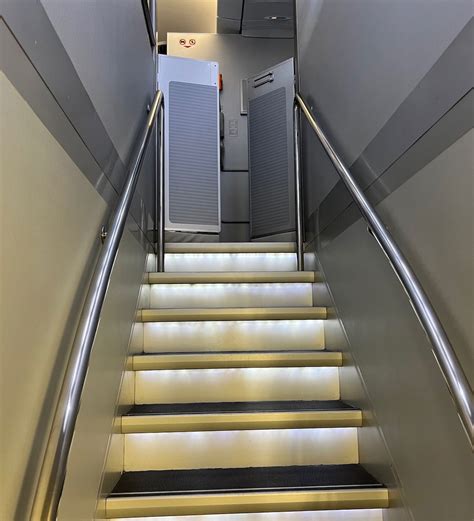
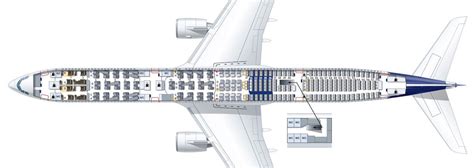
The Airbus A340-600’s long fuselage and large cargo hold made this design solution feasible. Unlike many other widebody aircraft, the A340-600 has a remarkably spacious lower deck, designed for ultra-long-range operations. Lufthansa utilized this space creatively, installing a staircase that leads passengers to a small lavatory complex in the cargo hold. This restroom area is fully pressurized, temperature-controlled, and even includes UV disinfection—ensuring a safe and comfortable experience for passengers.
A Smart Long-Haul Design: Improving Passenger Flow
On long-haul flights, efficient passenger flow is essential to maintaining comfort and minimizing disruptions. With several lavatories located in the cargo hold, Lufthansa was able to improve the flow of passengers in the cabin, especially during meal services. Instead of queuing in the aisles for the few lavatories located on the main deck, passengers had the option to use the downstairs facilities, reducing congestion and making the flight experience smoother for everyone.
The lower-deck lavatories are not only strategically placed to reduce passenger traffic on the main deck but also to enhance the overall cabin experience. As passengers walk down the staircase, they often find the lower deck to be quieter, more spacious, and more private compared to the main cabin. This unexpected sense of luxury has been highlighted in passenger reviews, with many travelers describing the experience as a welcome surprise.
Structural Considerations: How the A340-600’s Design Made It Possible
The A340-600’s four-engine design and extended fuselage made it uniquely suitable for this kind of experiment. The large cargo hold was a key factor, providing enough space to install lavatories without compromising the aircraft’s operational efficiency. Additionally, this design allowed Lufthansa to distribute weight more evenly across the aircraft, an important consideration on very long flights.
By placing the restrooms on the lower deck, the aircraft’s weight distribution was optimized, which improved stability and performance during long-haul flights. Many passengers also noted that the lower-deck lavatories helped eliminate the usual toilet odors found in the rear section of the cabin, further improving the passenger experience.
The Quirkiness of Lower-Deck Restrooms
While it might seem unusual to place restrooms in the cargo hold, this design choice was a deliberate one by Lufthansa’s engineers. In the early 2000s, airlines were exploring creative ways to differentiate their premium offerings and provide enhanced comfort on long flights. The A340-600’s lower-deck lavatories were part of this broader strategy to offer more space, reduce crowding, and enhance the travel experience without increasing the size of the aircraft.
This configuration has become a defining quirk of the A340-600, and despite the aircraft’s gradual retirement, it remains a fascinating feature that showcases Lufthansa’s innovative approach to aircraft design.
Other Aircraft with Unique Lavatory and Service Locations
Lufthansa’s A340-600 is not the only aircraft to experiment with lavatories in unusual locations. Other widebody aircraft, such as the Boeing 747 and Airbus A380, use multiple decks to distribute restrooms, galleys, and crew rest areas. However, these aircraft are designed with two full passenger decks, eliminating the need to repurpose cargo space for restrooms.
A few other aircraft types, like certain Airbus A330 models, have been configured with lower-deck lavatories. These configurations were typically limited to charter operators and were never widely adopted by mainstream airlines. The A340-600’s larger cargo hold, combined with its extended fuselage, gave it a significant advantage in terms of using space creatively for both service areas and passenger comfort.
The Drawbacks of Lower-Deck Lavatories
While the lower-deck lavatories offer numerous advantages, they do come with certain drawbacks. Accessibility can be an issue, particularly for passengers with limited mobility. Lufthansa addressed this concern by ensuring that some main-deck lavatories are still accessible to passengers with reduced mobility.
There are also operational challenges. The crew must monitor and maintain facilities located outside the main cabin, which can add complexity to service routines. In the event of turbulence, access to the stairs leading to the lower deck may be temporarily restricted, further complicating operations. These factors have likely contributed to the design not being adopted on other aircraft types.
Conclusion: A Legacy of Innovation
So, why does Lufthansa’s A340-600 have restrooms in the cargo hold? The design reflects a thoughtful, innovative approach to maximizing space, improving passenger flow, and enhancing the overall long-haul flight experience. What began as a practical solution has become a defining feature of the aircraft, one that sets the A340-600 apart from other widebody jets.
The decision to place restrooms in the cargo hold showcases Lufthansa’s willingness to experiment with aircraft design, a trait that is becoming increasingly rare in modern aviation. As airlines focus on operational efficiency and simplicity, features like the A340-600’s lower-deck lavatories remind us of a time when creativity and innovation played a more prominent role in aircraft design.