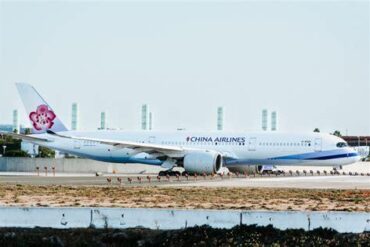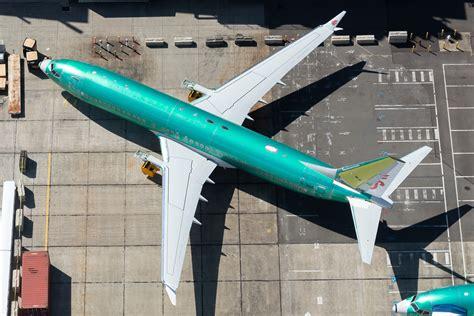
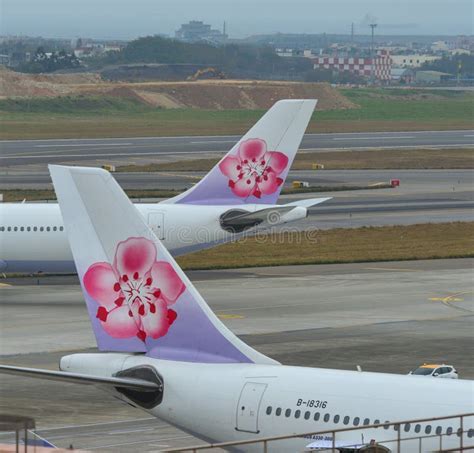
China Airlines, Taiwan’s flagship carrier, is facing critical delays in its fleet modernization program due to ongoing global aircraft delivery disruptions. As a result, the airline has announced that the retirement of its Boeing 737-800 and Airbus A330-300 aircraft will be postponed, a strategic decision directly influenced by setbacks in the delivery timelines of newly ordered jets from both Boeing and Airbus. The ripple effects of these delays are reshaping operational strategies not only at China Airlines but across the entire aviation industry.
Impact of Delayed Aircraft Deliveries on Fleet Modernization
Originally set to be retired as part of a planned shift toward a younger, more fuel-efficient fleet, the Boeing 737-800 and Airbus A330-300 have now been given extended leases on life. China Airlines had charted an aggressive fleet renewal strategy, placing orders for 18 Boeing 787-9 Dreamliners and 6 Airbus A321neo (A321-200NX) aircraft. These models were intended to replace older airframes and support the carrier’s vision for lower emissions, reduced maintenance costs, and improved passenger experience.
However, production bottlenecks, supply chain fragility, and manufacturing labor shortages at both Airbus and Boeing have thrown that roadmap into disarray. The expected delivery timelines have been repeatedly pushed back, forcing the airline to reassess its retirement schedules and keep its aging aircraft in service well beyond their originally planned decommissioning dates.
Why the 737-800 and A330-300 Remain Critical
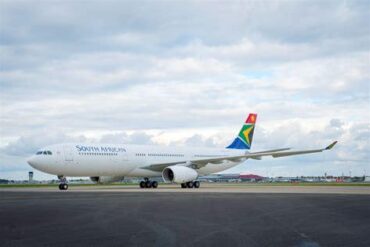
The Boeing 737-800 and Airbus A330-300, though older by industry standards, remain cornerstones of China Airlines’ operational capability. The 737-800 continues to handle short- to medium-haul regional flights with solid reliability, while the A330-300 maintains a pivotal role on medium- to long-haul routes throughout Asia and parts of Oceania. Despite their age, both aircraft types are still fully compliant with international safety standards and offer flexibility amid growing demand for air travel post-pandemic.
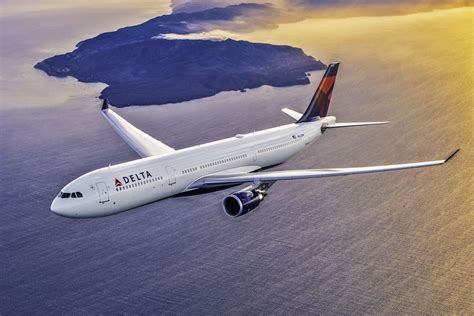
Rather than face flight cancellations or schedule cutbacks, China Airlines has opted to renegotiate lease terms and invest in continued airworthiness for these aircraft. This includes maintenance overhauls, parts replacements, and regular compliance updates to align with evolving environmental and operational regulations.
The Broader Industry Crisis: Supply Chain Paralysis
China Airlines is not alone in navigating this turbulent supply landscape. Airlines across the globe are grappling with delivery lags stemming from a severely disrupted post-COVID supply ecosystem. Both Airbus and Boeing have reported widespread delays in aircraft production due to:
- Shortages of titanium, aluminum, and composite materials
- Delays in avionics and engine component shipments
- Skilled labor shortages at tier-one and tier-two supplier facilities
- Logistical congestion at key manufacturing and export hubs
These issues have culminated in what aviation analysts are calling a “bottleneck backlog”, where hundreds of aircraft orders have been queued up, awaiting final assembly and certification. Airlines, particularly those in fast-growing markets like Asia-Pacific, are being forced into contingency mode, relying heavily on legacy fleets to bridge the gap.
Operational and Environmental Trade-offs
Extending the service life of older aircraft presents a mixed bag of operational realities. While it ensures route continuity and maintains revenue flow, it comes at the cost of higher fuel burn, increased maintenance complexity, and a larger environmental footprint. The Airbus A330-300, for instance, is significantly less fuel-efficient than the incoming Boeing 787-9, which boasts composite materials and advanced engine technology capable of reducing fuel consumption by 20-25%.
China Airlines has publicly reaffirmed its commitment to sustainability, stating that this delay is temporary and being carefully managed with environmental considerations in mind. In the interim, the airline is implementing mitigation strategies such as:
- Optimizing fuel usage through advanced flight planning software
- Retrofitting older aircraft with lighter cabin interiors
- Investing in sustainable aviation fuel (SAF) for select routes
Recycling, Sustainability, and Aircraft Lifecycle Management
One often-overlooked dimension of fleet renewal delays is the impact on aircraft recycling and retirement. Typically, retired aircraft undergo a structured recycling process, where up to 90% of the aircraft’s material—including engines, avionics, landing gear, and structural metals—can be salvaged or repurposed. With the retirement timeline extended, China Airlines is now adjusting its aircraft lifecycle planning, ensuring that when decommissioning does occur, it aligns with sustainable dismantling practices.
While China Airlines hasn’t publicly disclosed specifics on its aircraft disposal strategy, global trends indicate that leading airlines are increasingly investing in eco-friendly recycling partnerships. This includes working with aviation scrapyards certified under the Aircraft Fleet Recycling Association (AFRA), which ensures ethical and environmentally responsible disposal.
The Strategic Role of the Boeing 787-9 and Airbus A321neo
When deliveries resume, China Airlines’ newest fleet members—the Boeing 787-9 and Airbus A321-200NX—are expected to transform the airline’s efficiency profile dramatically. The Boeing 787-9 is designed for long-haul flexibility, offering extended range, reduced noise, and optimized passenger comfort. Meanwhile, the A321neo will replace 737-800s on regional routes, delivering 15-20% better fuel economy and updated onboard features.
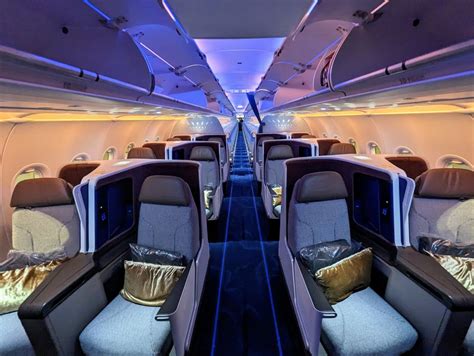
These aircraft are central to China Airlines’ five-year strategic plan, which includes:
- Replacing fuel-hungry aircraft with new-generation jets
- Expanding capacity to meet post-pandemic travel demand
- Launching new international routes to strengthen global connectivity
- Improving cargo capabilities alongside passenger operations
Navigating Delays: China Airlines’ Long-Term Vision
Although short-term disruptions are challenging, China Airlines is showcasing adaptive leadership and operational resilience. The airline continues to work closely with Airbus and Boeing to push for accelerated delivery timelines and ensure that future aircraft arrive with minimal further delay. Internally, the airline has mobilized a task force to monitor fleet health, sustainability compliance, and route profitability.
The current delay in aircraft retirement, while suboptimal, is being handled through a balanced lens of operational necessity and strategic foresight. China Airlines has made clear its long-term vision remains intact: to become one of Asia’s most environmentally forward and customer-centric carriers, powered by a new generation of aircraft that align with the industry’s best practices.
Outlook: Turning Challenges into Strategic Advantages
The delays experienced by China Airlines underscore a broader truth in modern aviation: agility is just as important as ambition. As global supply chains recover and manufacturing capacities normalize, the airline will be in a strong position to pivot quickly and resume its original retirement and replacement schedule. Until then, its ability to adapt operational strategies, maintain service standards, and honor sustainability commitments will define its competitiveness.
In the long run, China Airlines’ pragmatic approach—balancing existing assets with future growth—may well serve as a model for other carriers navigating similar headwinds. Whether through extending aircraft life, investing in green tech, or reshaping route networks, the airline’s proactive response to systemic industry delays is helping to preserve both its market position and its environmental integrity.