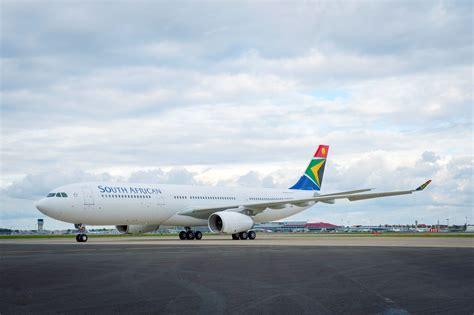
South African Airways (SAA) has reported a net loss of R354 million for the fiscal year 2023/24, marking a sharp reversal from the R252 million net profit it achieved the previous year. This setback underlines the deep financial fragility still lingering after years of turmoil and restructuring, even as the airline works to reinvent itself on a leaner, more sustainable footing.
Despite achieving a 23% increase in turnover, SAA was unable to convert this revenue growth into profitability due to a toxic combination of soaring fuel prices, foreign exchange losses, rising leasing costs, and delays in aircraft deliveries. The fiscal report reveals just how vulnerable the airline remains to both internal structural weaknesses and volatile global economic currents.
Currency Volatility and Fuel Costs Wreak Havoc on Margins
One of the largest contributors to the airline’s losses was the crippling depreciation of the South African rand. The airline incurred a R415 million forex loss, as the weaker currency dramatically increased the cost of importing aircraft parts, leasing jets, and acquiring aviation fuel. The volatility severely affected SAA’s ability to manage predictable cost structures, directly impacting its bottom line.
Adding to the financial squeeze, jet fuel expenses surged by R1.3 billion, rising from R600 million to R1.9 billion. This massive increase is reflective of global aviation fuel inflation, driven by geopolitical tensions and supply chain instability. Given that fuel remains the largest operational cost component for most airlines, this dramatic spike posed a major challenge to cost control efforts.
Aircraft Leasing Costs and Delivery Delays Compound Struggles
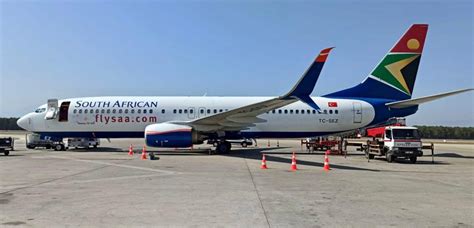
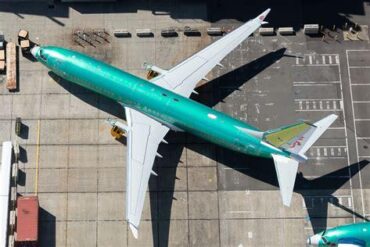
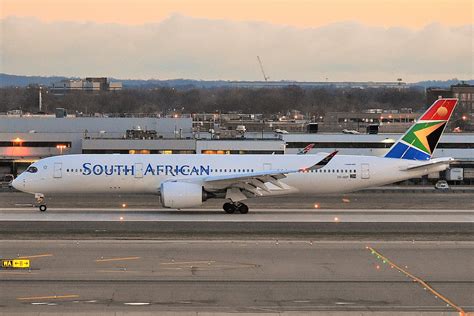
Still in the midst of fleet recovery following its 2021 exit from business rescue, SAA has been relying heavily on aircraft leasing to rebuild capacity. However, leasing costs have jumped by 30% compared to the previous year, further stretching its operating margins. The situation was worsened by delays in the delivery of new aircraft, which were supposed to support network expansion and revenue growth.
The lack of new jets meant SAA was unable to match its increased revenue potential with greater operational capacity. It missed the opportunity to expand route offerings, enhance frequency on high-yield routes, and accommodate higher passenger volumes — all of which could have softened the blow from other cost pressures.
Fallout from Failed Privatization Deal with Takatso Consortium
The fiscal pain was aggravated by the collapse of the proposed privatization deal with the Takatso Consortium in March 2024. The deal was expected to provide a capital injection and strategic support needed for SAA’s stabilization and growth. Its failure represented a major blow to investor confidence and left SAA without the lifeline it had been counting on.
CEO John Lamola acknowledged the “high degree of uncertainty” this setback created, but emphasized a strategic pivot toward self-sustainability. Without external investment, the airline must now lean entirely on its internal efficiencies, strategic governance reforms, and limited state support to chart a way forward.

Business Rescue Legacy and Financial Restatements
A critical change in the FY2023/24 financial report stems from how auditors reclassified the obligations related to the business rescue process. When SAA exited business rescue in 2021, its accounting treatment of residual creditor obligations did not fully reflect future liabilities. The updated audit led to a restatement of the financials, turning what was initially reported as a R71 million profit into the final R354 million loss.
This underscores how deeply the scars of the business rescue process continue to shape the airline’s financial reporting. SAA’s restructuring was extensive, but its accounting foundations had not kept pace with the demands of post-recovery financial transparency until these recent adjustments.
Governance and Audit Overhaul Aims to Rebuild Confidence
Recognizing the urgent need to rebuild trust, SAA launched a robust “audit health plan” to enhance financial governance. The plan includes measures to harmonize internal financial systems, coordinate more closely with external auditors, and ensure all financial statements meet regulatory and market expectations.
CEO Lamola stressed that the airline has successfully concluded six consecutive audits over three years, a sign of its improved internal discipline and commitment to transparency. These audits are designed to demonstrate the seriousness with which the airline treats its financial obligations and to signal progress to potential investors and stakeholders.

Focus on Fleet Recovery and Market Repositioning
Despite its losses, SAA is not standing still. The airline continues to prioritize fleet recovery, network growth, and improved passenger experience as its pillars for resurgence. By strategically selecting profitable routes and fine-tuning its fleet utilization, SAA aims to claw back lost market share and stabilize its earnings potential.
Lamola highlighted that the board remains laser-focused on improving operational discipline, managing cost overheads, and delivering better governance. With global aviation becoming increasingly competitive, this focus is essential for SAA to retain relevance and profitability in international markets.
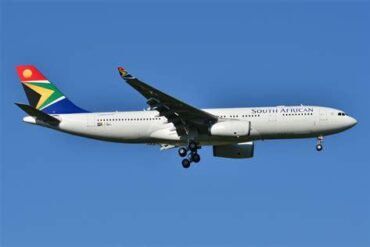
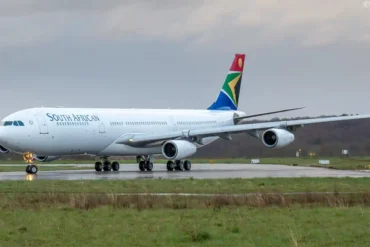
SAA’s current fleet limitations are a direct barrier to growth. More modern, fuel-efficient aircraft are needed not only for operational savings but also to offer better product consistency and onboard services that meet evolving traveler expectations.
External Economic Forces Still Threaten Recovery Timeline
While SAA’s internal reforms are crucial, the airline remains exposed to macroeconomic headwinds that are largely outside its control. Continued rand volatility, volatile oil markets, and sluggish global travel recovery in key regions all present risks to SAA’s turnaround.
South Africa’s domestic economic challenges — including low growth, policy uncertainty, and state-owned enterprise funding constraints — also loom large. These make it more difficult for SAA to rely on government backing or public-private partnerships to fund capital-intensive upgrades.
Even so, SAA leadership appears undeterred. Lamola has repeatedly stated that the “next few years will be critical” as the airline attempts to stabilize, modernize, and reposition itself for long-term relevance. Strategic patience will be key, alongside operational agility and fiscal restraint.
Conclusion: Can SAA Soar Again?
The R354 million net loss reported by South African Airways for FY2023/24 is more than a financial figure — it is a stark reminder of how fragile the airline’s recovery still is. Challenges ranging from delayed fleet upgrades and soaring operational costs to botched privatization efforts have all played a role in reversing what was a hard-won profit in the previous year.
However, SAA is not without assets. A renewed governance structure, strengthened financial reporting, and a leaner, more responsive management team give it the foundations needed for a turnaround. Yet the road ahead is treacherous, and the outcome uncertain. Everything now hinges on fleet modernization, internal cost discipline, and the airline’s ability to adapt to a changing global aviation landscape.
SAA’s leadership has made it clear: the era of dependence on bailouts and vague promises is over. The path forward must be earned — with results, with credibility, and with vision. Whether the airline can transform this ambition into sustainable profitability remains to be seen, but for now, the winds are challenging, and the climb is steep.