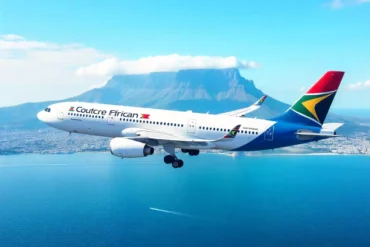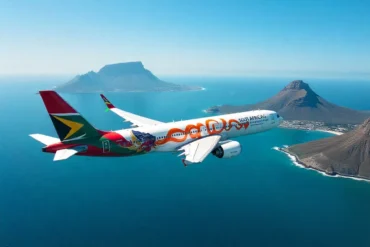
South African Airways (SAA), once a symbol of African aviation excellence, has navigated a complex and often stormy journey through decades of economic shifts, political transformations, and industry-wide upheavals. As the flag carrier of South Africa, SAA’s narrative weaves together legacy, innovation, mismanagement, rebirth, and strategic repositioning in a fiercely competitive market.
Origins and the Golden Era of South African Airways
Founded in 1934 following the acquisition of Union Airways by the South African government, South African Airways quickly became a dominant player in African aviation. With its headquarters in Johannesburg, SAA was instrumental in connecting Southern Africa to the rest of the world, a feat made possible through ambitious fleet acquisitions and expanding international routes.
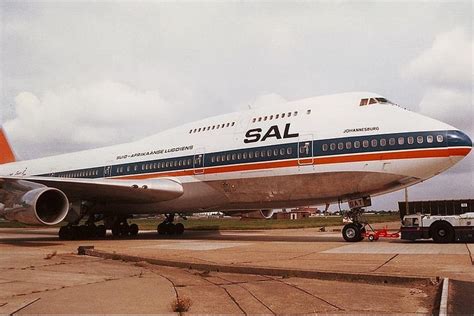
During the mid-to-late 20th century, SAA operated with prestige, often compared to the world’s top carriers in terms of onboard service, punctuality, and safety. The introduction of Boeing 747s in the 1970s and strategic expansion into Europe, Asia, and the Americas reflected the airline’s confidence and growth.
Sanctions, Isolation, and Resilience
However, during the apartheid era, international sanctions heavily impacted South African Airways. Global opposition to apartheid led to bans and restricted airspace access from many countries. Despite isolation, SAA adapted by developing ultra-long-range flights, investing in flight refueling, and building internal aviation expertise that kept operations afloat.
This period marked a transition where SAA shifted focus toward maintaining domestic routes and strengthening regional African connectivity. While many airlines in similar circumstances might have folded, SAA survived, albeit under financial and logistical strain.
Post-Apartheid Optimism and Global Reentry
The end of apartheid in the early 1990s signaled a new era for SAA. With international sanctions lifted, the airline was reintegrated into the global aviation community, regaining landing rights and codeshare opportunities. The democratic government, keen on rebuilding national institutions, viewed SAA as a strategic asset for tourism and trade.
In the late 1990s and early 2000s, SAA embarked on ambitious modernization campaigns:
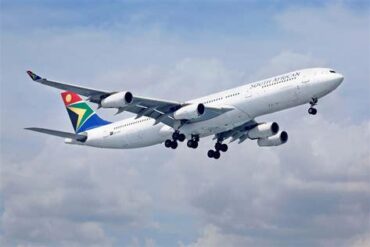
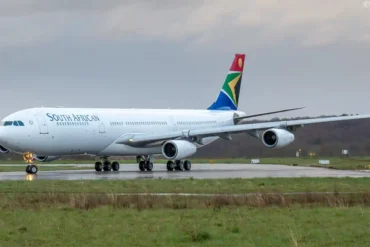
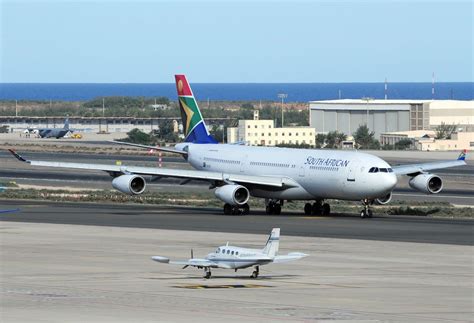
- Acquired new aircraft like the Airbus A340 and A319
- Rebranded with a modern logo and livery reflecting South Africa’s national colors
- Joined the Star Alliance in 2006, cementing its status as a global player
Operational Challenges and Financial Freefall
Despite the optimism, SAA’s renaissance was short-lived. Mounting financial mismanagement, overexpansion, poor procurement decisions, and political interference severely eroded its balance sheet. Between 2006 and 2020, SAA posted continuous losses, requiring repeated government bailouts exceeding R50 billion (USD 2.7 billion).
Key issues included:
- Bloated workforce and high wage bills
- Corruption scandals in aircraft leasing and supplier contracts
- Poorly timed route expansions to unprofitable destinations
- Intense competition from nimble regional carriers and international giants
SAA became a liability to the South African fiscus, with critics citing it as a textbook example of state-owned enterprise failure.
Groundings, Business Rescue, and Near Collapse
By late 2019, with creditors circling and fuel suppliers refusing service, South African Airways entered business rescue, South Africa’s form of bankruptcy protection. It marked the first time a major African airline had invoked such a procedure while still technically operational.
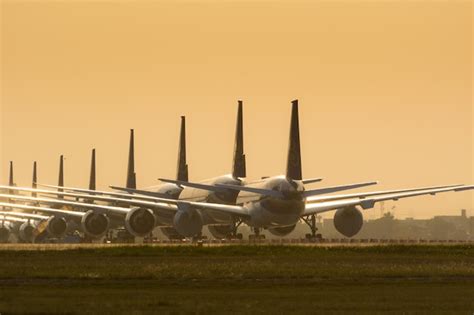
In early 2020, the COVID-19 pandemic devastated global aviation. With SAA already vulnerable, the shutdown of air travel forced it to halt all operations indefinitely, sending shockwaves through the regional aviation market. Thousands of staff were laid off, and the government refused further bailouts.
Strategic Revamp: The Takatso Consortium Deal
Amidst growing public outcry over repeated bailouts, the South African government in 2021 announced a strategic equity partnership with the Takatso Consortium, a private group comprising Harith General Partners and Global Aviation. The agreement stipulated that Takatso would acquire a 51% stake in SAA, with plans to invest over R3 billion in operational restructuring.
The deal aimed to:
- Reduce state involvement in operational decisions
- Rebuild profitable routes gradually
- Realign the brand with sustainable aviation practices
- Restore public and international trust in the carrier
Despite some political pushback and transparency concerns, the Takatso deal represented a crucial pivot—moving from bailouts to sustainable, investor-led management.
A Leaner SAA Reemerges
South African Airways resumed limited operations in September 2021, focusing on domestic and regional African routes. The restart was intentionally conservative. Rather than restoring full service, SAA chose to operate lean with a reduced fleet and fewer destinations.
Current operational highlights include:
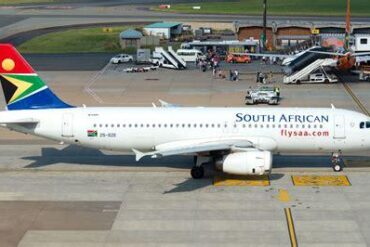
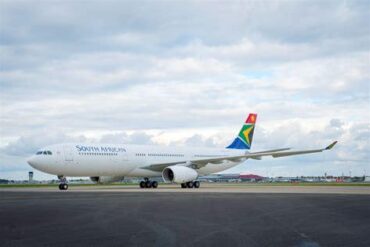
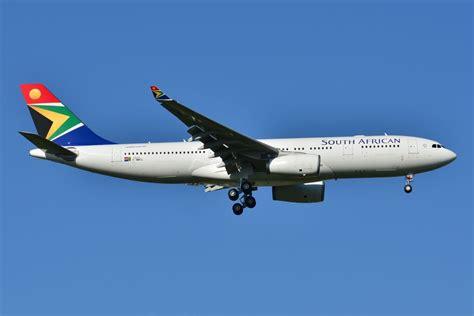
- Fleet of Airbus A319, A320, and A330 aircraft
- Service to key African cities like Accra, Lusaka, Harare, and Kinshasa
- Select domestic routes including Cape Town and Durban
Customer experience has also improved under new leadership, with simplified fare structures, enhanced digital booking platforms, and renewed emphasis on punctuality.
Competitive Landscape and Market Threats
SAA’s new era, however, is marked by increased competition and reduced market share. Domestic airlines like FlySafair and Airlink have capitalized on SAA’s years of decline, securing routes and customer loyalty. International carriers, including Emirates, Qatar Airways, and Turkish Airlines, dominate long-haul markets once served by SAA.
Moreover, Comair’s liquidation and Mango Airlines’ grounding created a vacuum that regional players quickly filled. SAA must now navigate a transformed market, where passengers have more choices, and brand loyalty must be re-earned through consistent service and pricing transparency.

Looking Ahead: Sustainability, Modernization, and Strategic Partnerships
SAA’s future will depend on its ability to adapt to global aviation trends, including:
- Green aviation: Reducing emissions and exploring SAF (sustainable aviation fuel) options
- Digitization: Automating customer service, contactless check-ins, and AI-driven ticket pricing
- Fleet modernization: Phasing out older aircraft in favor of fuel-efficient models
- Strategic alliances: Reentering global airline alliances or forming codeshare agreements
Recent reports suggest that SAA is evaluating rejoining Star Alliance or forming an African-based airline network to compete with Ethiopian Airlines, Africa’s leading carrier.
Symbolism and Legacy in South African Identity
For many South Africans, SAA is more than a commercial airline. It represents national pride, identity, and aspiration. The distinctive tail design—featuring the country’s flag—remains a powerful visual in international airports.
While its credibility has been severely tested, SAA’s survival signifies resilience in the face of adversity. The story of South African Airways is ultimately one of reinvention—emerging from a history of isolation and scandal toward a future of leaner, smarter, and more transparent aviation in Africa.
Conclusion: Can SAA Soar Again?
South African Airways stands at a critical crossroads. No longer protected by state monopoly or sentimental loyalty, it must earn its place in a competitive global marketplace through performance, innovation, and efficiency. The blueprint is there—shed bureaucracy, embrace private capital, respect market dynamics, and rebuild trust.
The lessons of the past two decades, though costly, offer a powerful guidebook. If internal reforms align with customer-centric strategy, SAA may yet reclaim its skies—not as a bloated national relic, but as a competitive, agile African carrier with global reach.