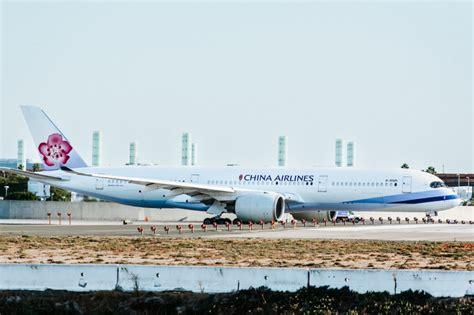
Persistent global supply chain disruptions continue to reshape the aviation landscape, forcing airlines like Taiwan’s flagship carrier, China Airlines, to rethink and adjust their fleet strategies. Originally intending to phase out their aging Boeing 737-800 and Airbus A330-300 aircraft as part of an ambitious modernization effort, China Airlines finds itself compelled to extend the operational life of these reliable workhorses amid unprecedented manufacturing delays. This decision underscores the intricate balance between fleet renewal ambitions and the harsh realities of an industry grappling with ongoing production constraints.
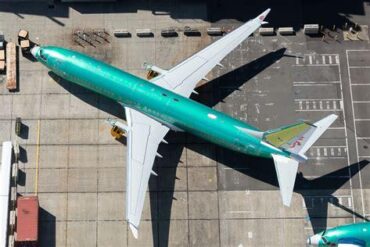
Over the past several years, the aviation sector has faced relentless challenges linked to supply chain bottlenecks affecting critical aircraft components. The consequences have rippled through aircraft manufacturers, with Boeing and Airbus reporting delivery volumes far below expectations. To put the scale in perspective, combined deliveries from these two giants reached just over 350 aircraft in the first four months of 2025, a stark contrast to the anticipated 1,400-plus units for the full year. This dramatic shortfall exacerbates pressure on airlines worldwide, including China Airlines, compelling them to adapt rapidly to evolving operational realities.
China Airlines, a pivotal carrier connecting Taiwan with global hubs, had initially planned to retire its fleet of Boeing 737-800 narrowbodies and Airbus A330-300 widebodies, pivoting instead to newer, more fuel-efficient aircraft. However, as manufacturing delays push back deliveries for next-generation jets like the Airbus A350-1000 and Boeing 777-9, the airline has been forced to finalize lease extensions on its existing fleet. By maintaining these older aircraft, China Airlines aims to safeguard its operational reliability, ensuring capacity remains consistent while awaiting the staggered arrival of newer models.
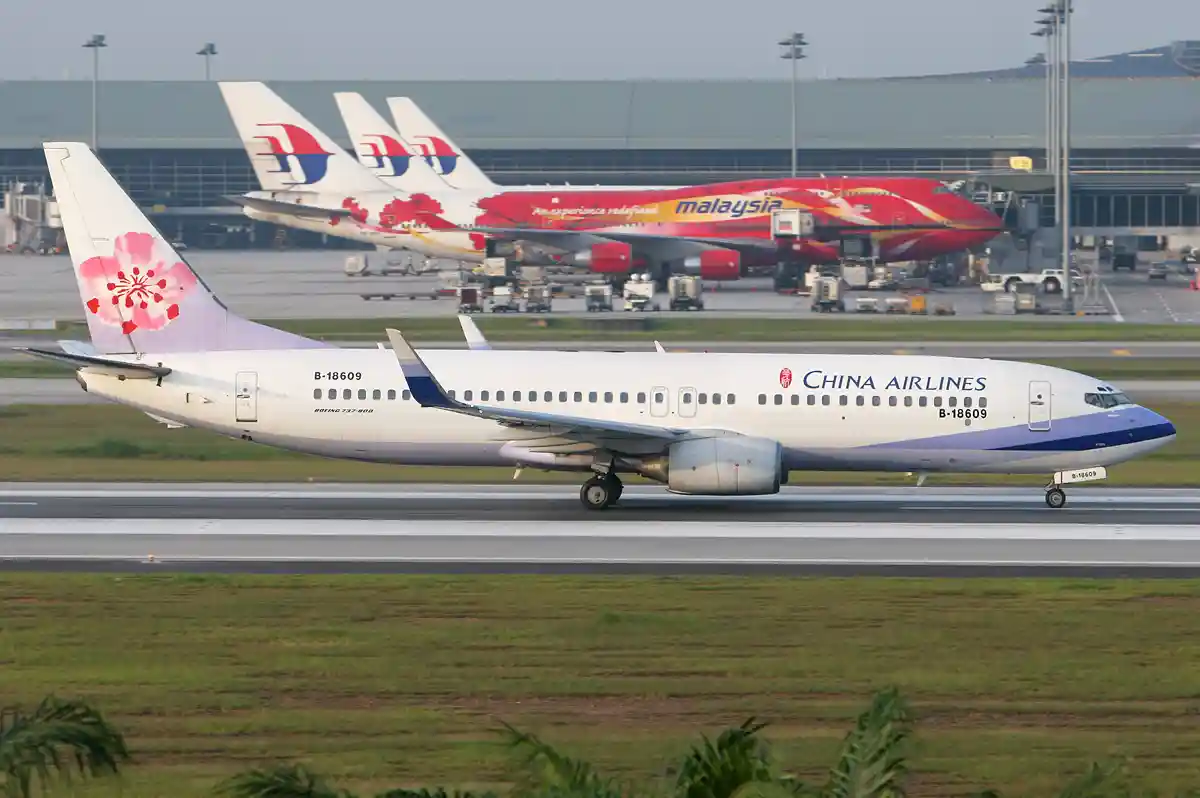
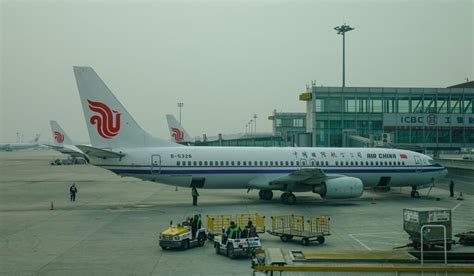
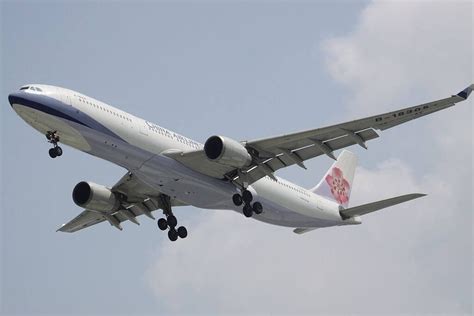
The decision to retain Boeing 737-800s and Airbus A330-300s is also a strategic measure rooted in operational flexibility. These aircraft have long been integral to China Airlines’ route network, efficiently serving medium- and long-haul destinations. The 737-800, renowned for its versatility and reliability, handles high-frequency regional flights, while the A330-300 remains a workhorse on longer routes that require a balance of range and capacity. Prematurely retiring these jets without replacement options would risk capacity shortfalls and schedule disruptions, damaging the airline’s competitive position.
One crucial aspect influencing this fleet holdover is the direct impact of supply chain setbacks on delivery schedules. Boeing, in particular, has acknowledged these challenges and indicated that firm delivery of new aircraft is expected to “basically” commence by late 2025. China Airlines’ chairman, George Kao, has been transparent about the situation, confirming the extension of leases for several aircraft previously scheduled for phase-out. The carrier’s leasing agreements with manufacturers include clauses for compensation linked specifically to supply chain delays, highlighting the contractual complexities airlines face amid this turmoil.
These challenges are far from unique to China Airlines. The International Air Transport Association (IATA) recently emphasized that industry-wide delivery timelines are “off-the-chart unacceptable,” with global airlines experiencing similar difficulties in updating their fleets. This persistent delay could stretch well into the latter part of the decade, fundamentally reshaping fleet planning for carriers across the world.
Despite these setbacks, China Airlines remains firmly committed to its long-term modernization strategy. The airline’s current orderbook is robust and diverse, including 10 Airbus A350-1000s and 10 Boeing 777-9s aimed at boosting capacity on long-haul international routes such as New York and London. This latest generation of widebody aircraft promises enhanced fuel efficiency, increased passenger comfort, and extended range capabilities that are essential for sustaining competitive advantages in premium markets.
The carrier’s broader fleet also reflects a calculated balance between current operational needs and future growth aspirations. Beyond the newer jets on order, China Airlines operates a mixed fleet including Airbus A321neos, Boeing 787 Dreamliners, and Boeing 777 freighters, as well as its aging but dependable Boeing 737-800 and Airbus A330-300 models. The airline’s strategy clearly indicates a phased transition rather than abrupt replacement, allowing for operational continuity despite supply constraints.
Looking forward, China Airlines is not only focused on sustaining current operations but also on expanding its fleet capacity. Recent filings with the Taipei Stock Exchange reveal plans to acquire up to 13 additional aircraft, including five Airbus A350-900s and eight Airbus A321neos. This $2 billion investment reflects confidence in sustained market growth and Taiwan’s strategic position as an international transit hub. The mix of direct purchases and leasing agreements, including partnerships with entities like Air Lease Corporation, offers China Airlines flexibility in managing capital expenditures amid uncertain delivery schedules.
Operationally, the continued use of Boeing 737-800s and Airbus A330-300s provides several advantages beyond simply bridging a capacity gap. Both aircraft types are supported by extensive global maintenance networks, experienced crew training programs, and proven operational reliability. These factors help control costs and maintain high dispatch reliability—an essential attribute in an era where consumer expectations for punctuality and service quality remain unforgiving.
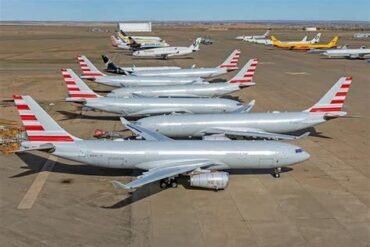
The Boeing 737-800’s reputation as one of the world’s most utilized narrowbody jets speaks to its enduring value. With a seating capacity of approximately 160 passengers and a range of roughly 3,060 nautical miles, it fits the profile of a perfect regional workhorse, capable of operating efficiently on dense short- to medium-haul routes. Meanwhile, the Airbus A330-300, with its twin-engine design, seating capacity upwards of 250 passengers, and a range near 6,350 nautical miles, provides the versatility required for medium to long-haul operations without the cost premiums associated with larger widebody jets.
In a sector where fuel efficiency and environmental concerns are increasingly paramount, it might seem counterintuitive to keep older models. However, China Airlines has employed strategic retrofits and maintenance enhancements to optimize these aircraft’s operational efficiency and environmental performance. Until newer, more fuel-efficient aircraft become fully available, this pragmatic approach ensures that the airline maintains a balanced fleet capable of meeting both economic and regulatory demands.
China Airlines’ predicament illustrates a broader industry lesson: even the most well-funded and forward-looking carriers must sometimes adapt to external constraints beyond their control. The interplay of supply chain fragility, global economic pressures, and competitive market demands requires nuanced fleet management decisions that balance ambition with pragmatism.
This prolonged reliance on Boeing 737-800s and Airbus A330-300s also reflects Taiwan’s vital geographic and economic role. As a gateway between East Asia and the rest of the world, Taiwan depends heavily on a stable, capable airline infrastructure to support business, tourism, and trade. China Airlines’ ability to maintain consistent air service, even with older aircraft, is therefore critical to the nation’s connectivity and economic vitality.
In conclusion, China Airlines’ decision to hold on to its Boeing 737-800 and Airbus A330-300 fleets longer than initially planned is a calculated response to extraordinary global circumstances. The airline’s fleet renewal ambitions remain intact, underscored by significant orders for advanced aircraft that promise to redefine its competitive positioning once delivered. Until then, these aging jets continue to perform a crucial role—ensuring China Airlines stays airborne, connected, and ready to capitalize on future growth opportunities when the skies finally clear for aircraft manufacturers.