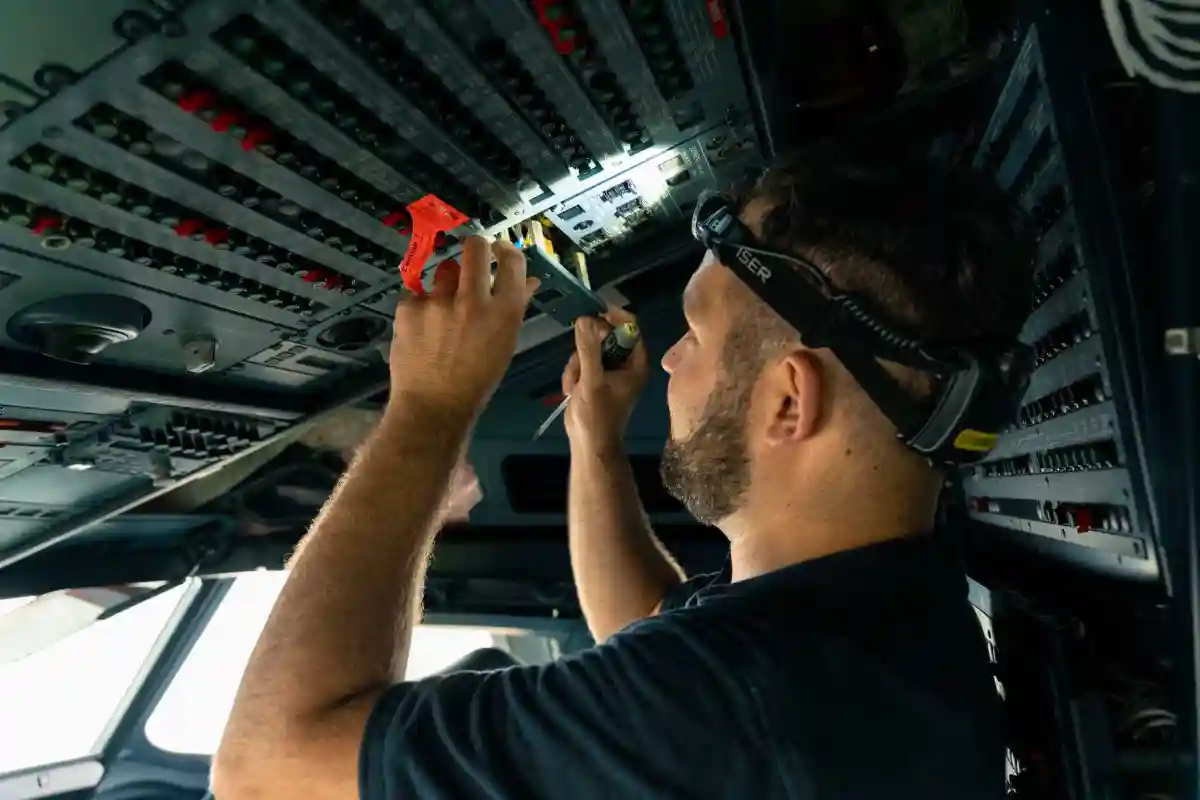
Lufthansa is preparing to enter a new era of inflight connectivity, with the German flag carrier scheduled to launch Starlink high-speed WiFi on an Airbus A320neo aircraft on August 19, 2026. The rollout marks the beginning of one of the largest satellite internet upgrades ever planned by an airline group, eventually bringing the service to around 850 aircraft across Lufthansa Group by 2029.
The first upgraded aircraft will be a narrowbody Airbus A320neo, a model widely used across Lufthansa’s short- and medium-haul European network. While the initial installation will involve only one aircraft, the project represents a major shift in how passengers experience connectivity during flights. Lufthansa says the new system will deliver internet speeds that, in many situations, can exceed the connections passengers use at home or in the workplace.
The introduction of Starlink is part of a broader industry movement as airlines move away from slow, limited inflight internet systems toward satellite-based connectivity capable of supporting modern digital habits. Streaming, cloud-based work, video services, and other high-bandwidth applications are becoming increasingly important for travelers who expect continuous online access.
Lufthansa Group Begins Major Starlink WiFi Expansion
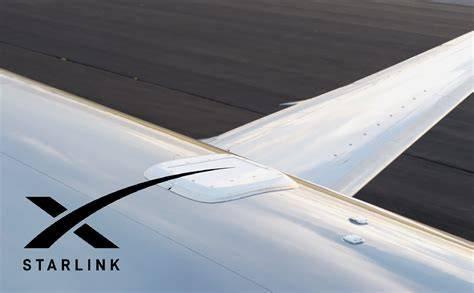
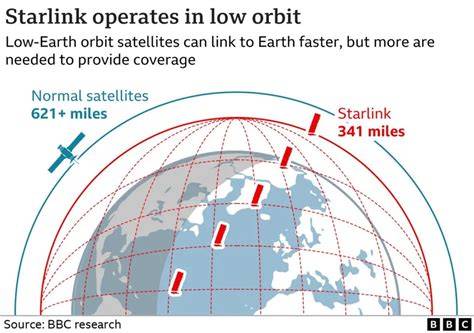
The first Starlink-equipped Lufthansa aircraft will provide passengers with a faster and more reliable online experience above the clouds. Unlike traditional satellite internet systems that rely on satellites positioned much farther from Earth, Starlink uses low-Earth orbit satellites, reducing latency and improving connection speeds.
For passengers, the difference could be significant. Traditional aircraft WiFi has often been criticized for slow speeds, unstable connections, and limited usability during busy periods. Starlink’s technology is designed to support activities that were previously difficult or impossible on commercial flights, including watching online video content, participating in cloud-based projects, and accessing real-time services.
Lufthansa Group Chief Commercial Officer Dieter Vranckx highlighted that connectivity has become an essential part of the passenger experience. The airline believes that a modern travel experience is no longer defined only by seating, meals, or service quality but also by the ability to remain connected throughout the journey.
850 Aircraft Across Multiple Airlines Will Receive Upgrades
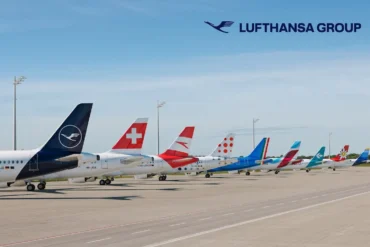
The Lufthansa Group rollout will extend far beyond Lufthansa’s own fleet. The company operates one of Europe’s largest airline networks, including carriers such as SWISS, Austrian Airlines, Brussels Airlines, ITA Airways, and Lufthansa City Airlines. Additional group members include leisure and regional operators such as Discover Airlines, Edelweiss Air, Air Dolomiti, and Eurowings.
Because of the size and complexity of the group’s fleet, installing Starlink across all eligible aircraft will require several years. Lufthansa expects the full program to be completed by 2029, eventually providing improved connectivity across multiple brands and travel classes.
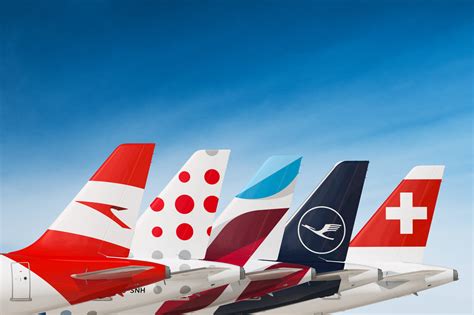
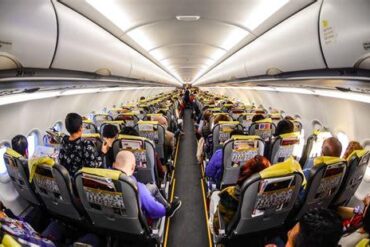
The company has stated that the goal is to offer the new WiFi experience across all travel classes on participating Lufthansa Group airlines. This means passengers flying economy, premium economy, business, or first class could eventually benefit from the same high-speed connection.
Free WiFi Access Comes With Passenger Conditions
Although Starlink WiFi will be available without an additional payment, Lufthansa is introducing a requirement for passengers who want to use the service. Free access will be provided to members of the airline’s Miles & More frequent flyer program and users with a Travel ID account.
Both programs are free to join, meaning most passengers should be able to access the service without facing a financial barrier. The approach allows Lufthansa to encourage digital engagement while also strengthening its customer loyalty platforms.
However, the airline is also establishing rules to ensure that faster internet does not negatively affect the cabin environment. Lufthansa has developed usage guidelines based on passenger feedback and surveys, focusing on maintaining a comfortable experience for everyone onboard.
Passengers using Starlink will be expected to use headphones when watching videos or listening to audio content. The airline will also prohibit activities such as voice calls and live streaming during flights, addressing concerns that unlimited connectivity could create additional disturbances inside aircraft cabins.
Starlink Could Transform European Airline Connectivity
The Lufthansa Group Starlink project reflects a wider transformation happening throughout commercial aviation. Airlines are increasingly viewing internet access as a core part of their onboard product rather than an optional extra.
For years, passengers have accepted slow inflight WiFi as a limitation of air travel. However, advances in satellite technology are changing expectations. With low-latency connections becoming available, travelers may soon treat aircraft internet in the same way they expect connectivity on the ground.
Lufthansa’s decision to equip hundreds of aircraft demonstrates the airline group’s commitment to improving the digital passenger experience. The first Airbus A320neo installation on August 19 will be only the beginning of a much larger transformation, with hundreds of aircraft expected to follow over the next several years.
By 2029, Lufthansa Group aims to create a connected fleet where passengers can work, communicate, and enjoy entertainment with fewer limitations. The arrival of Starlink onboard its aircraft signals a major step toward making high-speed internet a standard feature of modern air travel.