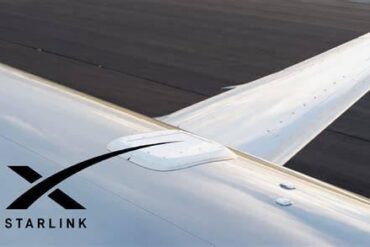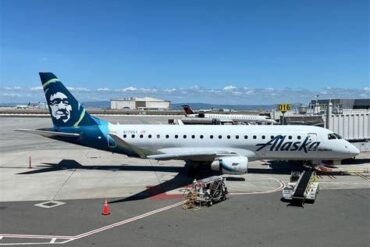
Alaska Airlines has reached a significant milestone in its onboard connectivity strategy by completing the rollout of free Starlink-powered WiFi across its entire regional fleet. The achievement places the Seattle-based carrier among the industry’s connectivity leaders and marks the beginning of the airline’s next phase: equipping its mainline and long-haul aircraft with the same high-speed internet experience.
The rollout represents more than a technology upgrade. It reflects Alaska Airlines’ broader investment in enhancing the passenger experience while strengthening its competitive position in the North American aviation market. Together with Hawaiian Airlines, the carrier is creating one of the largest fleets offering complimentary high-speed internet access to travelers.
For passengers, the result is a dramatically improved onboard experience, allowing seamless streaming, browsing, messaging, and productivity from gate to gate without the limitations commonly associated with traditional in-flight internet.
After completing installations on more than 150 regional aircraft, Alaska Airlines is now ahead of its original connectivity schedule and is turning its attention toward expanding Starlink across its Boeing 737 and Boeing 787-9 fleets.
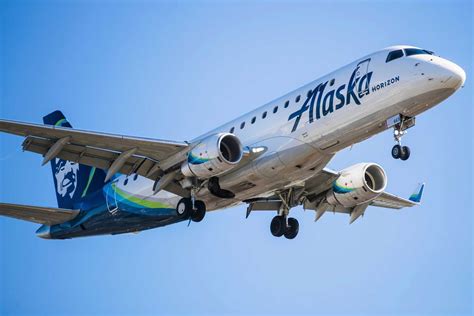
Regional Fleet Reaches Full Starlink Coverage
Alaska Airlines has become the first U.S. airline to complete Starlink WiFi installation across its entire regional fleet. Every Alaska-branded Embraer E175 operating regional services is now equipped with SpaceX’s satellite-based connectivity platform, delivering substantially faster internet speeds than legacy airborne systems.
The rollout has been made possible through Alaska’s long-standing partnership with T-Mobile, which enables eligible passengers to access the service at no additional cost. Rather than purchasing expensive WiFi packages, travelers simply need to enroll in Atmos Rewards, the combined loyalty program shared by Alaska Airlines and Hawaiian Airlines.
The login process has been designed for simplicity. Existing members can sign in within seconds after boarding, while new travelers can register directly through the onboard portal before accessing the internet. Children traveling with family members can also receive access either through their own Atmos Rewards account or by entering reservation information.
This streamlined approach removes many of the barriers that previously discouraged passengers from using onboard internet while encouraging enrollment in the airline’s loyalty ecosystem.
Faster Speeds Transform the Passenger Experience
Traditional in-flight internet has often struggled with slow connections, inconsistent performance, and bandwidth limitations. Starlink changes that equation by utilizing thousands of low-Earth orbit satellites, significantly reducing latency while dramatically increasing available bandwidth.
Passengers aboard Alaska Airlines aircraft equipped with Starlink can expect connection speeds approaching 500 Mbps, making the service approximately seven times faster than many conventional airborne internet systems.
The improved bandwidth allows travelers to:
- Stream live sports and entertainment
- Watch movies and television without excessive buffering
- Participate in video-friendly online activities
- Browse websites at near-ground speeds
- Send messages and emails throughout the journey
- Stay productive while working remotely during flights
Instead of treating onboard WiFi as a premium add-on, Alaska Airlines is positioning reliable connectivity as a standard part of the travel experience.
Mainline Fleet Becomes the Next Priority
With regional aircraft now complete, Alaska Airlines has shifted its focus toward installing Starlink throughout its mainline fleet, including Boeing 737 narrowbody aircraft and Boeing 787-9 Dreamliners.
The airline expects its entire widebody fleet to receive Starlink by the end of the fall, significantly enhancing connectivity on long-haul international services. These upgrades will particularly benefit passengers traveling between Seattle and destinations including Seoul Incheon, London Heathrow, Rome Fiumicino, and Tokyo Narita.
As installations continue throughout 2026 and 2027, more departures from key Alaska Airlines hubs will feature Starlink connectivity. Major airports expected to see the highest concentration of equipped aircraft include:
- Seattle-Tacoma International Airport
- Portland International Airport
- San Diego International Airport
- Honolulu International Airport
According to the airline, the remainder of its mainline fleet is expected to complete Starlink installation by the end of 2027, creating one of the most comprehensively connected fleets in commercial aviation.
Free WiFi Tied to Atmos Rewards Membership
Alaska Airlines is also refining how passengers access complimentary internet service.
Beginning with selected flights in June and expanding to all eligible flights from July onward, passengers wishing to use Starlink WiFi must be enrolled in Atmos Rewards. Membership remains completely free, allowing travelers to access gate-to-gate connectivity without paying separate WiFi fees.
The loyalty integration benefits both customers and the airline. Travelers receive complimentary high-speed internet while Alaska Airlines expands participation in its rewards program, creating stronger long-term engagement across both Alaska Airlines and Hawaiian Airlines.
Because enrollment can be completed before departure or during boarding, first-time users face minimal friction when connecting.
Strengthening Alaska Airlines’ Premium Strategy
The completion of regional Starlink deployment illustrates Alaska Airlines’ broader transformation into a more premium-focused carrier.
Modern travelers increasingly expect reliable internet access throughout their journey, particularly on longer flights where business productivity and entertainment have become essential components of the travel experience. By eliminating WiFi fees while simultaneously delivering one of the fastest airborne internet services available, Alaska Airlines differentiates itself from competitors that continue to rely on slower, paid connectivity options.
The strategy also aligns closely with Hawaiian Airlines following the integration of both carriers’ customer experience initiatives. Together, the airlines are creating a more consistent product across regional, domestic, and international operations.
As additional Boeing 737s and Boeing 787-9 Dreamliners receive Starlink installations, passengers can expect an increasingly seamless digital experience regardless of aircraft type or destination.
Outlook
Completing Starlink installation across the regional fleet marks an important milestone, but it represents only the beginning of Alaska Airlines’ broader connectivity vision. The airline’s continued investment in mainline aircraft, combined with free access through Atmos Rewards, positions it among the industry’s leaders in passenger technology.
With faster internet, expanding fleet coverage, and a simplified loyalty-based access model, Alaska Airlines is redefining expectations for onboard connectivity. As Starlink-equipped Boeing 737s and 787-9s enter regular service over the coming months, travelers on both domestic and international routes will increasingly enjoy an online experience that closely resembles the speed and convenience available on the ground.