Ryanair has built its reputation around remarkably low advertised fares, but the headline ticket price tells only part of the airline’s financial story. Behind every cheap seat is a carefully developed commercial system designed to generate additional spending before, during, and sometimes even after the flight. In FY2026, Ryanair generated €4.99 billion ($5.8 billion) in ancillary revenue, equivalent to roughly €24, or $27, per passenger.
That average is particularly striking because it is close to what many passengers might pay for the basic ticket itself. Ryanair carried 208.4 million passengers during the financial year, meaning relatively small purchases made by individual travelers accumulated into billions of euros. A customer who pays a few euros for a seat, baggage, priority boarding, food, or another service may not appear especially valuable individually, but multiplied across more than 200 million journeys, the economics become enormous.
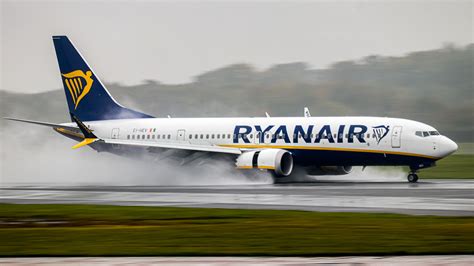
The strategy also explains why Ryanair can maintain a powerful position in Europe’s highly competitive short-haul market. Its basic fare is deliberately stripped down, allowing passengers to see a low entry price when searching for flights. Once a customer has committed to the journey, however, the airline can offer a series of optional products tailored to different needs and budgets. The result is a commercial model in which the passenger effectively builds the final ticket price.
The remarkable part is that Ryanair does not need every traveler to spend heavily. Some passengers may buy nothing beyond the basic fare, while another traveler might purchase a checked bag, a reserved seat, priority boarding, food, and other services. The €24 average is the combined result of all those purchasing decisions. That makes ancillary revenue less about one enormous fee and more about the cumulative effect of thousands of small transactions occurring across a huge passenger network.
Ryanair’s Ancillary Revenue Has Become a Business of Its Own
Ryanair’s FY2026 results demonstrate just how important ancillary revenue has become to the airline. The company reported €15.54 billion ($18 billion) in total group revenue, an 11% increase year over year. Scheduled revenue reached €10.56 billion ($12 billion), while ancillary revenue increased 6% to €4.99 billion ($5.8 billion).
Passenger traffic increased 4% to 208.4 million, while revenue per passenger increased by 7%. Those figures illustrate the relationship between Ryanair’s enormous scale and its ability to extract additional value from each traveler. At this size, even a tiny change in average passenger spending can have a significant financial effect.
For example, every additional €1 per passenger would theoretically generate more than €208 million in additional annual revenue at 208.4 million passengers. That is why apparently modest products can receive considerable commercial attention. A few euros from one traveler may seem insignificant, but hundreds of millions of passengers turn the arithmetic into something much more substantial.
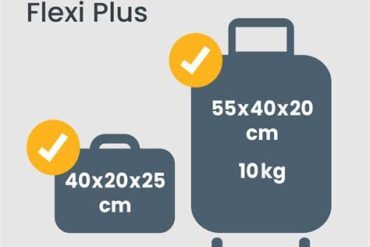
Ryanair’s model begins with its Basic fare. The lowest option includes a small personal bag that must fit underneath the seat, currently measuring 40 x 30 x 20 centimeters. Everything beyond that basic allowance becomes an opportunity for additional spending. Passengers who need more luggage, a particular seat, priority boarding, food, or other services can add them separately.
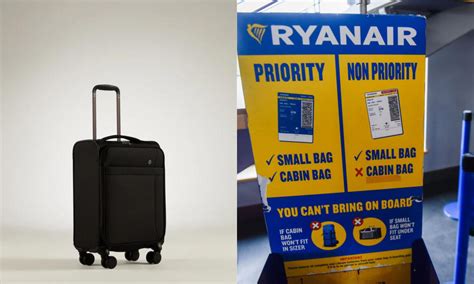
This separation is central to the low-cost model. Instead of charging every customer for a large bundle of services, Ryanair allows customers to choose which extras they actually value. The passenger taking a short weekend trip with a backpack can keep the price low. Someone traveling for a week with luggage and wanting a particular seat can pay substantially more.
Baggage Is One of Ryanair’s Most Visible Ancillary Products
Baggage is perhaps the clearest example of how Ryanair transforms a low headline fare into a higher final transaction value. The standard Basic fare provides only the small personal bag, while customers can purchase additional cabin and checked baggage options.
The Priority & 2 Cabin Bags option combines priority boarding with permission to bring a larger cabin bag into the aircraft. Checked baggage is also available in different weight categories, including 10 kg, 20 kg, and 23 kg options. Prices vary according to the flight, route, and when the customer purchases the service.
Ryanair’s published pricing illustrates how substantial a single ancillary purchase can become. A 20 kg checked bag can cost approximately €21.49 to €59.99 per flight, while a 23 kg bag can range from around €28.99 to €80.99 depending on the circumstances. Excess baggage and certain airport or gate situations can create additional charges.
That means one passenger purchasing a checked bag could generate more ancillary revenue in a single transaction than the airline’s average ancillary revenue per passenger across an entire journey. Of course, not every customer pays these amounts, which is precisely why the €24 figure should never be interpreted as a standard Ryanair fee.
Seat Selection Adds Another Layer of Revenue
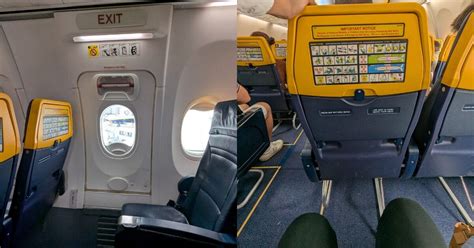
Assigned seating provides another important opportunity. Ryanair can charge different prices depending on the location and characteristics of a seat, including standard seats, front-row seats, and extra-legroom seats.
The commercial logic is straightforward. A passenger who does not care where they sit can accept an assigned seat under the applicable fare conditions. Another traveler may be willing to pay specifically to sit near the front, next to a companion, or somewhere offering additional legroom.
The airline therefore monetizes differences in passenger preferences without having to redesign the aircraft or provide a fundamentally different transportation product. The same seat becomes more valuable depending on how much a particular customer values its location.
Even airport check-in can produce ancillary revenue in certain circumstances. Ryanair lists an airport check-in charge of €55 ($64) in many cases, although different rates can apply depending on the departure country. From the airline’s perspective, encouraging passengers to complete the process digitally also reduces airport workload while potentially generating revenue when customers fail to follow the preferred procedure.
Food, Drinks and Retail Keep the Revenue Flowing After Takeoff
Ryanair’s ancillary strategy does not stop once passengers have boarded. The aircraft itself becomes another retail environment, allowing the airline to generate additional revenue during the flight.
Its onboard offering includes food, snacks, soft drinks, hot beverages, beer, wine, spirits, and duty-free products. The airline’s Getaway Café provides meal deals and other food and beverage options, while Runway Retail offers products including fragrances, cosmetics, gifts, and toys.
The scale of Ryanair’s network makes onboard sales particularly interesting. Many flights are long enough for passengers to become hungry or thirsty, particularly during normal lunch and dinner periods. A passenger who initially intended to spend nothing extra may change that decision several hours into a flight.
Meal prices can also remain relatively accessible while contributing to the broader ancillary pool. Meal deals start at around €12.50 ($14.50) in the supplied pricing, while individual items can cost less. The economics do not require every passenger to buy a meal. If only a portion of millions of travelers purchases something onboard, the aggregate becomes significant.
Ryanair has also integrated technology into this process. Its Order To Seat service allows passengers to order food, drinks, and duty-free products through the app for delivery directly to their seats. That turns the smartphone into another sales channel and makes ancillary purchasing possible without relying entirely on traditional trolley-service interactions.
Ryanair Sells More Than Baggage and Meals
The airline’s ancillary portfolio extends beyond the products passengers physically take onto the aircraft. Ryanair also promotes car hire, travel insurance, accommodation, airport parking, bus tickets, fast-track services, airport transfers, and gift vouchers.
This broader ecosystem is strategically important because Ryanair is not merely selling transportation between two airports. It can participate in several parts of the passenger’s journey. A traveler booking a flight may also require somewhere to stay, transportation from the airport, a rental car, insurance, or parking.
These products also give Ryanair opportunities to monetize customers without adding significant physical weight to the aircraft. Selling a travel-related service through a digital channel can be commercially different from carrying another kilogram of baggage or selling another meal onboard.
Baby equipment and sports or musical equipment provide additional examples. Travelers with special requirements may be willing to pay because they cannot easily avoid transporting certain items. The airline can therefore create different revenue opportunities around specific passenger needs while retaining a very low base fare.
Why Ancillary Revenue Fits Ryanair’s Low-Cost Strategy
Ryanair’s ancillary model works particularly well because its customers tend to be highly sensitive to the initial ticket price. A traveler comparing multiple airlines may react strongly to a €30 or €40 headline fare, even if another airline’s final price includes services Ryanair sells separately.
The unbundled approach lets Ryanair compete aggressively on the initial search price while allowing customers to spend more when they value particular services. This creates a form of customer segmentation without requiring different aircraft or completely different products.
A leisure traveler taking a short trip might need only a small bag. Another passenger could require a checked suitcase and assigned seating. A third customer might value priority boarding, extra baggage, food, and convenience. All three can travel on the same flight, but their final contribution to Ryanair’s revenue can be dramatically different.
The financial results show that this strategy is not merely a theoretical advantage. Operating costs before exceptional items rose 6% to €13.09 billion, while profit after tax before exceptional items increased 40% to €2.26 billion ($2.7 billion). Ryanair has therefore demonstrated that its combination of traffic growth, low unit costs, fares, and ancillary spending can produce substantial financial results.
CEO Michael O’Leary has repeatedly emphasized traffic growth, ancillary revenue, and lower unit costs as important elements of Ryanair’s strategy. The FY2026 numbers show how those pieces reinforce one another: more passengers create more opportunities to sell extras, while a low base fare helps maintain demand.
More Ryanair Passengers Could Mean Billions More in Ancillary Revenue
Ryanair’s future growth makes the ancillary calculation even more interesting. The group operated 647 aircraft in 2026, including 210 Boeing 737-8200 Gamechanger aircraft, according to the supplied reference material. Passenger traffic is expected to reach approximately 214 million in FY2027, while another calculation based on 216 million passengers illustrates the potential effect of continued growth.
If Ryanair maintained its €24 ancillary revenue average and carried 216 million passengers, the resulting figure would be approximately €5.18 billion ($6 billion). This is a mathematical illustration rather than a company forecast, but it shows the power of passenger growth.
The long-term numbers become even more striking. Ryanair has indicated that its fleet expansion and position in Europe’s short-haul market could support traffic exceeding 300 million passengers annually by FY2034. At the existing €24 average, 300 million passengers would theoretically produce about €7.2 billion ($8.3 billion) in ancillary revenue.
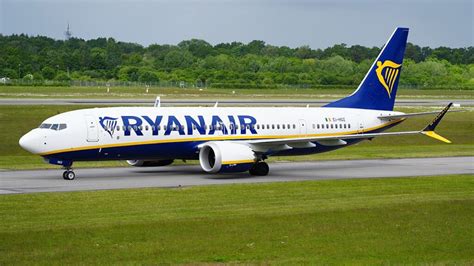
The future Boeing 737 MAX 10 fleet could support that expansion. The first 15 aircraft are expected to arrive in spring 2027, according to the supplied material. More aircraft and more seats mean more potential customers, while each additional passenger creates another opportunity for baggage, seat selection, priority services, onboard purchases, and other products.
The challenge is maintaining the balance. Ryanair must preserve the attractiveness of its low headline fares while continuing to encourage passengers to purchase extras. If ancillary charges become too burdensome, travelers may reconsider the overall value of the ticket. The airline therefore has to maximize spending without undermining the very low-cost proposition that brings customers through the booking door.
The Real Ryanair Fare Is Often Higher Than the Advertised Fare
Ryanair’s €24 ($27) ancillary revenue per passenger is ultimately a powerful illustration of how modern low-cost airlines make money. The average does not mean every passenger pays €24 in extras, nor does it represent a mandatory surcharge. Instead, it is the result of millions of individual purchasing decisions.
One passenger may buy nothing. Another may spend €20 on baggage. Someone else may purchase a preferred seat and priority boarding. A family could add multiple bags and seats, while another traveler buys food and drinks onboard. Across more than 208 million passengers, those separate decisions combine into a €4.99 billion business.
That is the real strength of Ryanair’s ancillary model. A few euros do not look impressive in isolation, but hundreds of millions of journeys completely change the arithmetic. The airline has transformed baggage, seats, priority boarding, food, retail, insurance, accommodation, car hire, parking, and other services into a broad commercial ecosystem surrounding its basic transportation product.
For passengers, the lesson is equally important: the advertised fare is only the starting point. The final cost can rise considerably once the services that matter to an individual traveler are added. For Ryanair, however, that flexibility is precisely what makes the model so effective.
At roughly $27 per passenger, ancillary revenue may sound modest. Multiply it by hundreds of millions of travelers, and it becomes one of the most important engines behind Ryanair’s enormous low-cost operation.