India’s flag carrier, Air India, reported a notable 11% surge in revenue for the fiscal year 2024–25 (FY25), pushing total earnings to an estimated $7 billion. This financial uptick reflects not only a growing passenger base but also the unfolding success of the Vihaan.AI transformation initiative, a multi-phase roadmap aimed at reimagining the airline as a globally competitive leader in aviation. The results mark a pivotal chapter in Air India’s turnaround journey under the stewardship of the Tata Group, which acquired the airline from government control in 2021.
Revenue Growth Anchored by Operational Efficiencies and Strategic Synergies
The fiscal data paints a compelling picture of resilience and rebirth. Air India’s FY25 revenue rose from ₹51,365 crore to ₹61,000 crore (approximately $7.3 billion), based on internal reports. The 14% year-on-year increase showcases the airline’s momentum despite geopolitical and operational challenges. Although exact operating profit numbers remain undisclosed, sources confirm that EBITDAR (Earnings Before Interest, Taxes, Depreciation, Amortization, and Rent) turned positive — a strong indicator of core operational profitability.
The growth story hinges on three pivotal drivers:
- Fuel price moderation, allowing reduced operational costs.
- Merger synergies with Vistara, which unlocked route optimization and capacity advantages.
- The structured rollout of Vihaan.AI, a transformation roadmap focused on network growth, customer service enhancement, and cost discipline.
These developments have positioned Air India for a new era of global relevance.
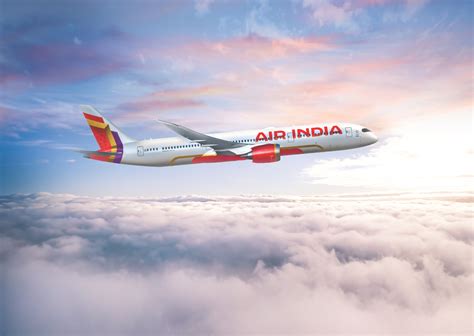
Passenger Traffic Rebounds Sharply with Nearly 44 Million Flyers
Air India recorded 44 million passengers in FY25 — a 9.9% increase compared to the previous fiscal year. This rebound is especially notable given the airline’s transition-related disruptions and the global aviation industry’s gradual recovery from pandemic-era downturns.
Such a sharp increase in passenger traffic points to improved brand perception, expanded routes, and better service quality. With the integration of Vistara’s premium services into the core Air India offerings, customers are increasingly recognizing the carrier’s shift from legacy inefficiencies toward a premium travel experience.
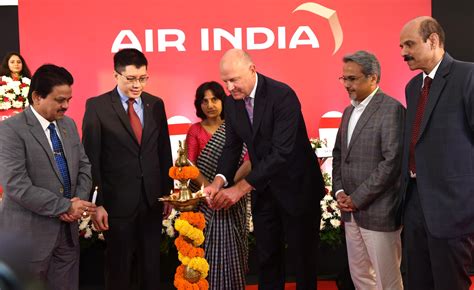
Chairman and Managing Director Campbell Wilson highlighted the milestone by stating that the airline had reached “the halfway point of the Vihaan.AI program,” but warned of delays in modernizing legacy aircraft. These upgrades, while critical, have proven more intricate than anticipated, largely due to supply chain complexities and certification timelines.
Fleet Overhaul Underway: 570 Aircraft to Join the Ranks
Central to Air India’s transformation is its historic order of 470 aircraft, with plans to increase the figure to 570, aimed at complete fleet renewal. This colossal modernization strategy is designed to replace ageing aircraft and build a robust backbone for long-haul and ultra-long-haul operations.
The new fleet will comprise a mix of Airbus A350s, Boeing 777s, 787 Dreamliners, and narrow-body jets like the A320neo and 737 MAX, providing increased fuel efficiency, passenger comfort, and cargo capacity.
Fleet renewal is especially crucial for international connectivity, where Air India aims to strengthen its foothold on high-demand routes linking India to North America, Europe, and the Asia-Pacific region.
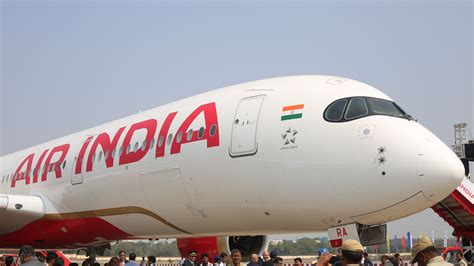
Vihaan.AI: Air India’s Five-Year Blueprint for Global Excellence
Launched in the wake of privatization, the Vihaan.AI program is the airline’s five-year plan focused on five pillars: exceptional customer experience, robust operations, industry-best talent, commercial excellence, and innovation/technology. FY25’s financial outcomes serve as a progress report on this sweeping internal reform.
Key changes already underway include:
- Cabin refurbishment across long-haul aircraft.
- Digital overhaul of booking, customer service, and backend operations.
- Cultural restructuring to imbue accountability and innovation.
- Network expansion, especially non-stop services to Europe and North America.
While Vihaan.AI has already delivered visible improvements, Wilson acknowledges that full transformation will take sustained execution. Delays in aircraft delivery and certification processes are real, but the broader trajectory remains positive.
Geopolitical Turbulence: Pakistan Airspace Ban Complicates Operations
Despite strong internal performance, external geopolitical tensions continue to cloud Air India’s operations. The airline has been grappling with airspace restrictions imposed by Pakistan, in response to India’s Operation Sindoor in May.
These restrictions have extended westbound flight durations by over an hour, especially for high-volume routes to the United States, Canada, and the UK. While Air India has managed to maintain uninterrupted connectivity, the extended flying hours are adding strain to operational costs and crew scheduling.
Campbell Wilson acknowledged the financial impact, stating that “non-stop services remain intact but profitability is under pressure due to rerouting requirements.” These challenges underscore the fragile intersection between aviation and geopolitics — a variable largely outside the airline’s control but crucial to its bottom line.
Turbulent External Factors: Global Tariffs and Student Traffic Slowdowns
Air India’s international operations are further shaped by global trends, such as the growing imposition of tariffs, visa restrictions, and shifting student migration flows. The U.S.-India academic relationship has long underpinned high-volume travel for Indian students, who typically fly with Air India on direct routes.
However, recent diplomatic strain and economic concerns have led to slowdowns in this lucrative segment, prompting Air India to diversify its route portfolio and revenue mix. Emerging corridors in East Asia and Africa are being explored to fill gaps and offset volatility.
Leadership’s View: Long-Term Optimism Amid Short-Term Disruptions
Since its privatization, Air India has undergone seismic changes in leadership, operations, and vision. The FY25 results represent a resilient rebound, but Campbell Wilson remains cautious. He emphasized the need for “predictability in regulatory and geopolitical conditions” to allow for secure investment planning and route optimization.
Wilson stressed that while aircraft procurement, passenger growth, and brand rebuilding are all trending in the right direction, supply chain pressures and policy instability could still derail progress. Nonetheless, the airline remains steadfast in its long-term goal: to become a formidable global competitor in full-service aviation.
Looking Ahead: A New Era of Indian Aviation
India’s aviation sector is entering a new golden era, with Air India playing a catalytic role. Backed by the deep pockets and operational rigor of the Tata Group, and supported by structural transformation under Vihaan.AI, the airline is better positioned than ever to reclaim its stature on the world stage.
Air India’s $7 billion revenue in FY25 is more than a number — it’s a signal that Indian aviation can thrive with the right leadership, strategy, and resilience. As global aviation eyes the subcontinent for future growth, Air India stands ready — not just as a national carrier, but as a symbol of what strategic reinvention can achieve.