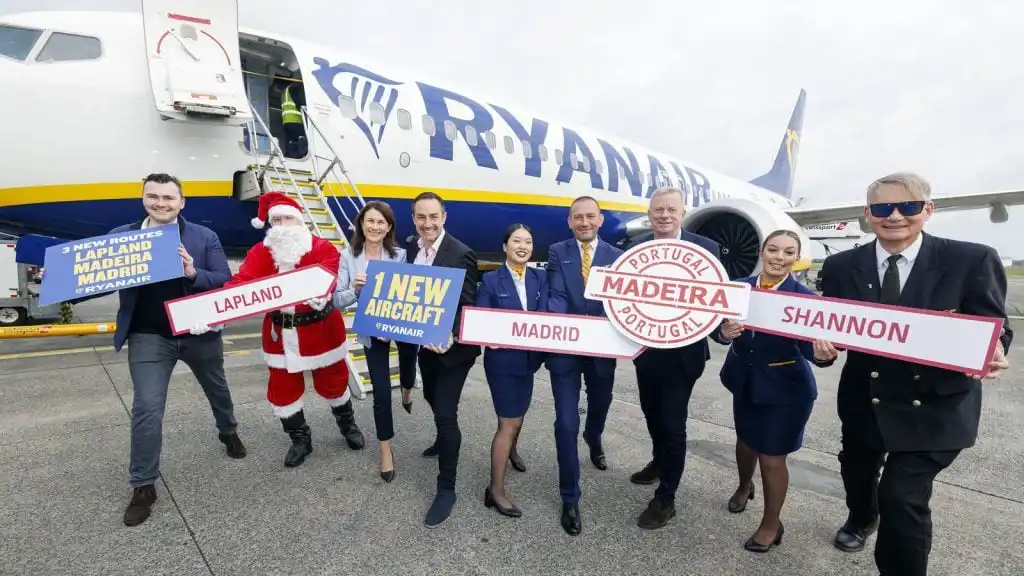
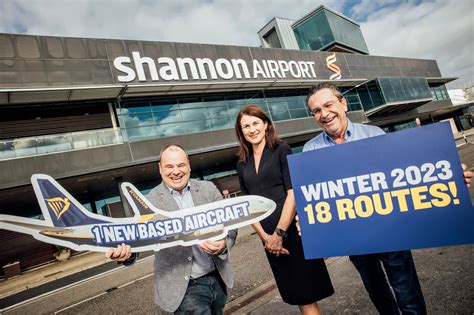
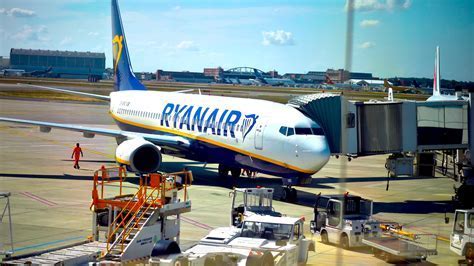
Shannon Airport has marked a powerful milestone with Ryanair’s announcement of a fourth based aircraft for Winter 2025/26, signalling a major boost to Ireland’s western aviation hub. With this strategic investment, Ryanair is not only expanding its fleet but also reshaping the travel landscape of the Mid-West region through three dynamic new routes to Madrid, Madeira, and Rovaniemi (Lapland), along with increased service frequencies on six of its most popular existing routes.
The announcement, warmly welcomed by The Shannon Airport Group, promises to usher in a 20% increase in passenger traffic, bringing the annual count to over 1.6 million Ryanair passengers. This growth not only enhances regional connectivity but is set to support more than 1,500 local jobs, reinforcing Shannon’s role as a key driver of Ireland’s regional economic ecosystem.
A Game-Changing Investment in the West
This latest expansion introduces a new “Gamechanger” Boeing 737 aircraft to the Shannon base, symbolizing Ryanair’s unwavering commitment to regional growth. This fourth aircraft marks a US$400 million investment, a strong testament to the airline’s confidence in Shannon Airport’s potential as a burgeoning international gateway. According to Jason McGuinness, Ryanair’s Chief Commercial Officer, this expansion will deliver an additional 100,000 passengers and enhance Shannon’s year-round international connectivity.
The airline’s decision to deepen its presence in the West of Ireland also strengthens the strategic aviation infrastructure critical to balancing national connectivity. It’s a move that Mary Considine, CEO of The Shannon Airport Group, sees as a call for a renewed national aviation strategy—one that acknowledges Shannon’s economic importance and encourages further decentralization of air traffic from Dublin.
New Horizons: Routes to Madrid, Madeira, and Lapland
The standout feature of Ryanair’s Winter 2025/26 schedule lies in the introduction of three compelling new destinations:
- Madrid, the Spanish capital, will provide business and leisure travelers with direct access to one of Europe’s most vibrant metropolitan centers.
- Madeira, a Portuguese archipelago known for its stunning landscapes and year-round mild climate, will attract both sun-seekers and nature lovers.
- Rovaniemi, the gateway to Lapland, delivers a magical winter experience in Finland’s snowy wonderland, especially popular with families and festive travelers.
These routes are not just about convenience—they signal Ryanair’s recognition of shifting passenger trends and demand patterns. By tapping into seasonal travel habits and international tourism flows, the airline is optimizing route profitability while offering Mid-West residents a richer palette of travel options.
Strengthening the Core: Enhanced Frequencies on Key Routes
In addition to launching new destinations, Ryanair is also bolstering service frequencies on six of its high-performing routes from Shannon. These include:
- Alicante
- Edinburgh
- Kraków
- Lanzarote
- Manchester
- Wrocław
Each of these destinations serves a dual purpose. They are leisure hotspots and key links for Ireland’s emigrant communities. The increase in frequency enhances flexibility, enabling shorter breaks, last-minute travel, and better connections for returning diaspora. It’s a strategic recalibration that reflects Ryanair’s data-led understanding of passenger behavior and seasonal load factors.
Regional Impact: Economic, Social and Tourism Uplift
The positive ripple effect from Ryanair’s expanded footprint in Shannon extends well beyond the runway. With 1,500+ jobs supported locally, including 350 high-quality positions in piloting, cabin crew, and engineering, the economic injection is substantial. These roles feed directly into the local economy, from Limerick to Ennis to Galway, boosting household incomes and supporting a wider range of services and suppliers.
Furthermore, increased passenger traffic contributes significantly to the Mid-West tourism sector. Visitors arriving from these enhanced routes will feed into rural tourism networks, historic towns, and the Atlantic seaboard, driving demand in hospitality, cultural attractions, and regional tours. Shannon’s geographical position places it at a nexus between heritage, nature, and leisure—elements vital for the kind of sustainable tourism Ireland seeks to promote.

National Strategy and Regional Equity
Mary Considine’s remarks highlight a key challenge—and opportunity—for Irish aviation policy: rebalancing national air traffic to support regional infrastructure. Currently, Dublin Airport dominates Ireland’s aviation landscape, often to the detriment of regional alternatives. Shannon, by contrast, offers capacity, efficiency, and potential with fewer bottlenecks.
Considine’s call for an updated aviation policy that champions Shannon as a strategic asset is both timely and essential. It dovetails with Ryanair’s own urging for the Irish Government to expand the Regional Airports Programme 2026–2030, particularly the proposal to lift passenger caps from the current ceiling. With Ryanair delivering over 1.6 million passengers annually at Shannon alone, this expansion cap risks becoming a barrier to further regional growth.
The Broader Aviation Landscape: Shannon as a Model
This Ryanair expansion should be viewed not merely as a tactical win for Shannon, but as a model for regional airport revitalization. The “hub-and-spoke” era of aviation, centered on overburdened metropolitan gateways, is giving way to a distributed network model that favors secondary airports. These hubs, like Shannon, are more agile, cost-effective, and increasingly attractive to passengers seeking stress-free alternatives to congested travel experiences.
By proactively investing in these secondary markets, airlines like Ryanair are unlocking new layers of demand—including off-peak travelers, digital nomads, and diaspora populations with flexible schedules. Shannon’s strong performance sends a clear message to both the airline industry and policymakers: investing in regional aviation is not a concession—it’s a competitive advantage.
Celebratory Launch and Future Prospects
To commemorate the launch of the fourth based aircraft and the new routes, Ryanair initiated a 2-day fare promotion exclusively on Ryanair.com. This celebratory move isn’t merely symbolic—it’s a strategic tactic to stimulate early demand and populate flight bookings well ahead of the Winter season. For Shannon, this means solidified schedules, full flights, and assured economic flow.
Looking ahead, this expansion lays a strong foundation for future collaboration between Ryanair and Shannon Airport. If passenger growth sustains its current trajectory and policy frameworks evolve in support of regional development, Shannon could potentially see additional aircraft bases, more intercontinental partnerships, and deeper integration with tourism boards and trade entities.
Conclusion: A New Altitude for the West of Ireland
Ryanair’s decision to base a fourth aircraft at Shannon Airport is far more than an operational enhancement—it is a strategic, economic, and symbolic victory for the West of Ireland. It demonstrates that regional airports, when supported and utilized, can perform at global standards, stimulate local economies, and offer world-class connectivity.
As Ireland charts its future aviation roadmap, Shannon stands as a proof of concept for decentralized growth. With enhanced services, a broadened network, and a growing reputation, Shannon Airport is not just connecting people to places—it’s connecting Ireland’s regions to the future.