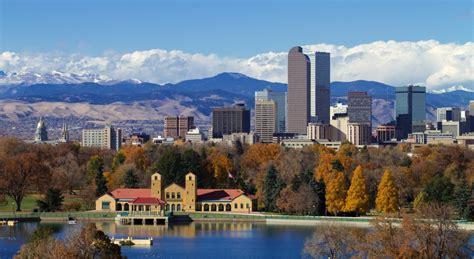
In 2024, Denver achieved a remarkable milestone in its tourism industry, maintaining the record-breaking success it saw in 2023. According to Visit Denver, the city’s official tourism marketing agency, 37.1 million visitors came to the city last year, matching the high visitation numbers of the previous year. This growth is indicative of the city’s ongoing appeal to domestic travelers, even as the industry faces various economic challenges and a changing global tourism landscape. The $10.3 billion in tourism spending recorded in 2024 represents the largest economic impact in Denver’s tourism history, underscoring the sector’s critical role in the local economy. This amount includes both overnight and day visitors whose spending continues to shape the city’s economic structure.
Key Achievements in 2024: A Continued Growth Trajectory for Denver’s Tourism
Denver’s tourism sector has not only recovered from the COVID-19 pandemic but has also surpassed expectations for growth. The number of marketable trips to Denver—which refers to those visits most influenced by the city’s targeted tourism campaigns—rose by a significant 14% in 2024, totaling 8.7 million visitors. These results underscore the success of Visit Denver’s promotional efforts and the city’s increasing recognition as a premier destination for both leisure and business travel. The growth rate reflects the ongoing development of Denver’s diverse tourism offerings, from cultural attractions to outdoor experiences and events.
“Tourism is vital to the Denver economy, and we are pleased to see 2024 numbers in line with 2023, which matched our expectations,” said Richard W. Scharf, President and CEO of Visit Denver. “After 2023’s strong results, where Denver’s results exceeded those of many other cities that did not fully recover until 2024, keeping pace is an accomplishment that shows the combined strength of the tourism product in Denver and the promotional efforts of the organization.” In terms of employment, the tourism industry continues to be a major job provider, supporting 73,500 jobs across the metro area in 2024. Additionally, tourism-generated taxes have contributed to public coffers, raising $19.1 million in state and local taxes, further emphasizing the economic importance of the sector.
Visitor Spending Breakdown: The Financial Impact of Denver’s Tourism
Denver’s tourism spending not only exceeded expectations but also revealed key trends in how visitors spend their money across various sectors. The overall $10.3 billion spent by tourists included $8.7 billion from overnight visitors and $1.7 billion from day visitors. A deep dive into the spending behavior of overnight visitors shows that, on average, each visitor spent $437 per person per trip, a figure that represents an increase from the previous year. This spending includes:
- Transportation: Nearly $3 billion was spent on transportation services within Denver, reflecting the importance of easy access to the city and the use of local transportation.
- Lodging: $2.5 billion was spent on lodging, highlighting the significance of accommodation in the city’s tourism infrastructure.
- Food and Beverage: Visitors spent $1.5 billion on dining experiences, with many choosing locally-owned restaurants and eateries.
- Retail Purchases: Shopping also plays a significant role in Denver’s tourism economy, with $1 billion spent on retail, with 57% of visitors shopping at locally-owned businesses—higher than the national average of 48%.
- Recreation, Sightseeing, and Entertainment: Accounted for $735 million in spending, showcasing the range of experiences that Denver offers. Whether it’s visiting the Denver Zoo, attending a performance at Red Rocks Park & Amphitheatre, or enjoying the many museums and outdoor attractions, Denver visitors continue to invest in diverse experiences.
Visitor Profile: Key Demographics and Repeat Visitors
The 2024 study from Longwoods International, which has tracked Denver’s visitor data for decades, indicates a growing interest in Denver as a year-round destination. The study revealed that 80% of overnight visitors were repeat guests, reinforcing the city’s ability to attract return tourists. Denver’s appeal as a destination with a balance of urban attractions and natural beauty continues to resonate with travelers, making it a desirable location for repeat visits. In terms of visitor demographics, the top five U.S. states from which visitors originated were Texas, California, Florida, Arizona, and Colorado itself. These states consistently make up the largest proportion of overnight visitors, aligning with Visit Denver’s marketing efforts in these areas. For international visitors, the top five cities sending tourists to Denver included Los Angeles, New York, Dallas-Fort Worth, Phoenix, and Chicago, all of which are key advertising markets for Visit Denver.
Denver’s Unique Positioning: A Destination with “The Best of Both Worlds”
One of the primary reasons for Denver’s continued success is its ability to offer a unique blend of city life and outdoor experiences, which appeals to a broad range of travelers. As Amir Eylon, President and CEO of Longwoods International, put it, “Denver’s unique positioning as a ‘best of both worlds’ destination, with its many exciting city experiences and the appeal of Colorado’s Rocky Mountains, continues to resonate with travelers looking for unique, memorable vacation experiences.” Denver’s positioning as a gateway to Colorado’s Rocky Mountains offers visitors access to world-class skiing, hiking, and mountain experiences, while the urban core provides cultural, culinary, and entertainment options that are vibrant and diverse. The city’s offerings make it an ideal destination for various types of tourists—from families seeking outdoor adventures to business travelers attending conferences and events in the downtown area.

Visitor Distribution Throughout the Year
A key takeaway from the 2024 visitor study is the even distribution of overnight visitors across the year, indicating that Denver is a year-round destination. The visitor profile study revealed the following breakdown of visitor distribution throughout the year:
- Q1: 22% of visitors
- Q2: 26% of visitors
- Q3: 28% of visitors
- Q4: 23% of visitors
The slightly higher concentration of visitors in Q3 aligns with the peak summer months when outdoor activities like hiking and biking are most popular. However, the distribution of visitors across the year underscores Denver’s ability to draw tourists during off-peak seasons, ensuring consistent demand for its services and offerings.
The Importance of Denver International Airport
A significant contributor to Denver’s tourism growth is the Denver International Airport (DEN), which plays a pivotal role in connecting travelers to the city. According to Visit Denver, 36% of overnight visitors to Denver arrived by plane, far exceeding the national average of 24%. This highlights the importance of air connectivity to the city’s overall tourism success. In 2024, Denver International Airport continued to handle high volumes of domestic and international flights, with travelers arriving from across the U.S. and the world. The airport’s role as a gateway to the rest of Colorado is crucial, as overnight visitors typically spend an average of 2.7 nights in the city itself, with the remainder of their trip spent exploring other parts of the state.
Investments and Advertising Campaigns
In addition to infrastructure improvements, Visit Denver has also invested in targeted advertising campaigns to attract visitors. A Return on Investment (ROI) study from Longwoods International revealed that Visit Denver’s 2024 spring/summer targeted advertising campaign was directly responsible for:
- 3 million incremental trips
- $1.3 billion in incremental spending
- $143 million in incremental state and local taxes, including more than $106 million for Denver
This study underscores the effectiveness of Denver’s marketing efforts, which have resulted in increased visitation and significant economic benefits. For every $1 spent in advertising, the city saw an ROI of $217 in incremental spending and $24 in incremental taxes. These numbers reflect the power of smart advertising and outreach in boosting local tourism.
Looking to the Future: Denver’s Continued Growth
As Denver continues to attract record numbers of visitors, the city’s tourism outlook remains positive. With new hotels, sports complexes, and tourism attractions under development, the city is positioning itself for even more growth in the coming years. The continued expansion of the Denver International Airport will also play a key role in maintaining Denver’s position as a leading U.S. tourist destination. As the city embraces sustainable tourism practices, builds on its rich cultural offerings, and enhances its tourism infrastructure, it will continue to be an attractive option for a wide variety of travelers. For Visit Denver, the mission is clear: to maintain Denver’s momentum by ensuring the city remains a year-round destination for visitors of all types.
Denver’s Bright Tourism Future
Denver’s tourism sector in 2024 has proven to be incredibly resilient, with consistent growth despite global challenges. The city has proven that with the right combination of strategic marketing, investment in infrastructure, and community partnerships, it can continue to thrive as a key tourism destination. The city’s unique blend of urban culture and outdoor adventure makes it an ideal choice for visitors seeking diverse experiences. With new developments on the horizon, Denver’s tourism industry is well-positioned to continue its upward trajectory and remain one of the leading travel destinations in the United States. In the years to come, Denver will undoubtedly continue to lead by example, showing how sustainable tourism and smart investments can drive long-term economic success while maintaining the balance between growth and community well-being. Denver’s ability to attract and sustain tourism will be a model for other cities to follow in the evolving world of travel.