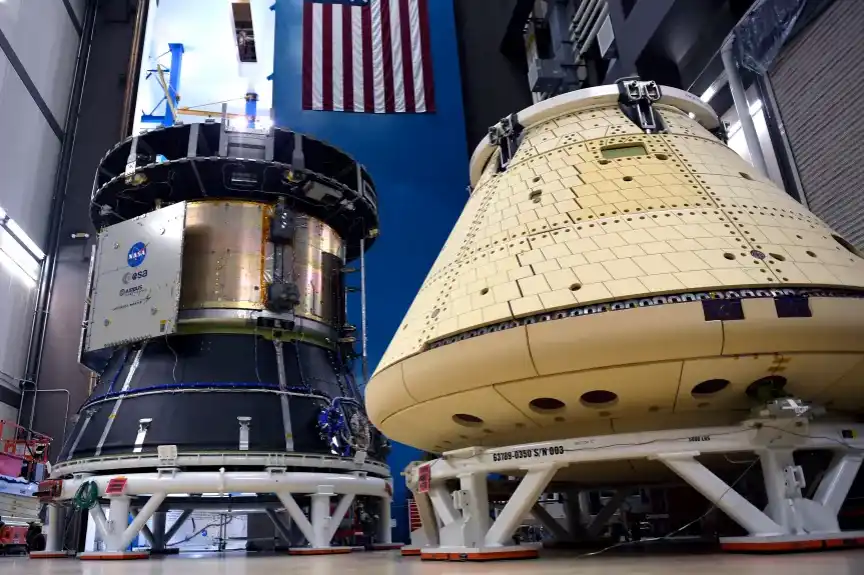
United Auto Workers (UAW) members at Lockheed Martin’s Space and Missiles and Fire Control divisions in Colorado and Orlando have overwhelmingly ratified a new five-year labor agreement, bringing a decisive close to a month-long strike. The strike, which began on May 1, 2025, saw more than 900 skilled workers walk off the job after rejecting a previous contract proposal. The newly approved deal includes an average 19.3% wage increase, faster promotion to top pay grades, and significant structural improvements for both veteran and entry-level employees.
Historic Pay Gains After a Hard-Fought Stand
The workers, represented by UAW Local 788 in Orlando and Local 766 in Denver, were employed across critical areas within Lockheed Martin’s operations—most notably in Space Systems and Missiles and Fire Control (MFC). These divisions support national defense through the development of advanced space technologies, tactical missile systems, and hypersonic weapons. After negotiations stalled earlier in the year, employees made the bold decision to strike, demanding recognition of their indispensable role in the company’s multibillion-dollar revenue streams.
“This was a hard fight,” said Brandon Campbell, director of UAW Region 4. “Lockheed was determined to hold onto every cent of the $24 billion it made during the last three years. But UAW members stood up to win our fair share of the profits that we generate. That raises the standard for workers everywhere.”
The result of that stand is a contract that significantly raises not just pay, but expectations for worker compensation in the aerospace sector. The agreement outlines annual wage increases of $1 or more per year of service, an upgrade from the previously offered 60 cents. It also guarantees that workers will reach top pay brackets much faster than the 16 to 20 years outlined in the earlier proposal.
A Victory for Entry-Level Workers
One of the most meaningful victories in the contract centers on new-hire wages. In a departure from its initial offer of $15 per hour, Lockheed Martin has now committed to a minimum starting wage of $20 per hour. This 33% boost in entry-level pay marks a significant recalibration in how one of America’s largest defense contractors views early-career employees. For a company that operates at the forefront of defense innovation, from satellite deployment to missile defense systems, the move also signals the increasing recognition of the skilled labor force behind the scenes.
Contract Details Reinforce Long-Term Labor Stability
The ratified contract is set to remain in effect until April 11, 2030, securing labor peace at two of Lockheed Martin’s most essential facilities for half a decade. In doing so, the company ensures that its commitments to high-stakes government contracts—including work with NASA and on critical defense systems like THAAD (Terminal High Altitude Area Defense) and PAC-3 interceptors—will move forward without disruption.
Lockheed Martin, in a formal statement, acknowledged the agreement and emphasized its strategic importance. “We’re pleased that the International Union, United Automobile, Aerospace and Agricultural Implement Workers of America (UAW) members approved a new five-year contract, which allows the company to continue its focus on the important work we do to support our customers and their national security missions.”
The Power Behind the Space Division and Missiles Team
The scale and sophistication of the work done by these employees cannot be overstated. At the Waterton Canyon campus in Jefferson County, Colorado, for example, UAW-represented workers contribute directly to space exploration platforms, military satellites, and ground control systems. Their counterparts in Orlando, working within the MFC sector, are integral to engineering missile defense platforms, hypersonic glide vehicles, and cutting-edge tactical weaponry used by the U.S. and allied militaries worldwide.
By grounding these systems in human labor and skill, the strike placed a spotlight on the hidden infrastructure beneath Lockheed Martin’s technological achievements. It exposed the realities that even in highly advanced sectors, the people who assemble, test, and calibrate systems are the foundation of success.

Economic Context: Profits vs. Payroll
Lockheed Martin’s recent financial performance set the stage for the workers’ assertive stance. Over the past three years, the company has reported a staggering $24 billion in profits, largely driven by robust defense spending and increased demand for space and missile systems. That context made the original offer appear starkly insufficient to many employees, particularly as inflationary pressures and housing costs rose steeply in both the Denver and Orlando metro areas.
By securing raises that average nearly 20% over five years, the UAW was able to anchor its demands in a straightforward argument: workers deserve a share of the wealth they help create. This has become a defining narrative not just for this labor action but across an industry seeing resurgent union power.
Strike Tactics and Union Cohesion
The strike, initiated on May 1, was the culmination of months of preparation and growing frustration. Union members organized coordinated pickets at both Lockheed facilities, ensured media visibility, and used the pause in production to reinforce their negotiating leverage. These tactics proved effective, as Lockheed Martin, eager to avoid long-term disruptions to high-profile government contracts, ultimately returned to the table with significantly improved terms.
Despite being a single-company labor action, the strike carried national resonance. As aerospace and defense sector unionization grows, particularly among younger engineers and technicians, the success of UAW in this instance may galvanize similar movements at other firms like Raytheon, Northrop Grumman, and General Dynamics.
Beyond Wages: Structuring a Better Workforce Future
The improvements in this contract go beyond just pay. Workers won major structural changes, including the accelerated progression to top pay scales, which is especially impactful in a company where technical roles can take decades to fully mature in compensation. The new framework also reaffirms pathways for apprenticeships and skill development—a win-win for both Lockheed and its workforce.
By setting a higher wage floor and compressing the timeline to top pay, the company will likely attract and retain higher-caliber talent in a competitive industry where precision, clearance qualifications, and institutional knowledge are all paramount.
Lockheed Martin’s Labor Shift: Signal or Outlier?
While Lockheed’s official tone has been conciliatory post-ratification, industry observers are watching closely to determine whether this signals a strategic shift in the company’s labor relations philosophy or merely a calculated concession to avoid larger operational risks. With the contract now in place through 2030, management may take the long view, positioning the company as a preferred employer among skilled technical workers.
If other contractors follow suit, this could mark a watershed moment in defense industry labor standards—a pivot away from multi-decade wage plateaus and toward more dynamic compensation models that reflect the urgency and complexity of modern defense manufacturing.
Conclusion: A Contract That Resonates Beyond the Gates
The Lockheed Martin contract ratified by UAW workers in Colorado and Orlando will be remembered not only for its economic impact but also for its symbolic value. It reasserts labor’s place at the core of even the most advanced technological enterprises. In an industry often cloaked in classified work and government contracts, the strike and its resolution served as a rare, public-facing moment of worker power.
What began as a wage dispute became something larger—a test case for how labor and management can navigate economic justice in the context of national security. And as Lockheed’s satellites soar and its missile systems deploy, the workers who made that possible now do so with greater dignity, compensation, and recognition than ever before.