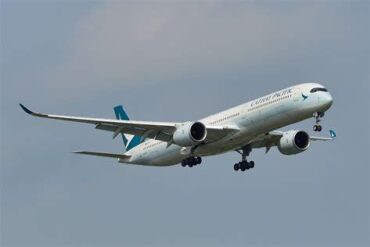
Southwest Airlines has taken a bold step toward international expansion by announcing a strategic interline partnership with China Airlines, marking a pivotal transformation in its operational philosophy. Set to launch in early 2026, the alliance will allow travelers to book seamless itineraries through key U.S. West Coast hubs—Los Angeles (LAX), San Francisco (SFO), Ontario (ONT), and Seattle (SEA)—offering direct domestic connectivity across Southwest’s vast network from major trans-Pacific gateways.
This move signifies more than just logistical alignment—it underscores Southwest’s evolving identity as it gradually shifts from a low-cost, domestic-only model toward global relevance in international travel. The interline deal, which does not include codesharing or loyalty program integration, represents a calculated step into global cooperation without the complexities of full-scale alliances.
Southwest’s Strategic Evolution into International Aviation
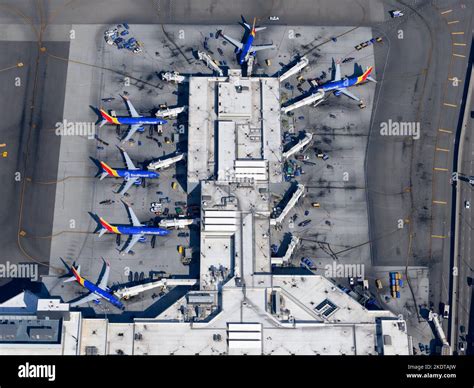
Southwest Airlines has long been the quintessential low-cost, no-frills domestic carrier, proudly avoiding the entanglements of international airline alliances and trans-oceanic ambitions. But this interline agreement with China Airlines is an unmistakable indicator of strategic pivoting. With the global aviation landscape demanding more interconnectivity and seamless passenger experiences, Southwest’s management appears ready to reframe its operational boundaries.
By integrating with China Airlines—a Taiwan-based carrier with extensive routes across Asia and Oceania—Southwest gains a trans-Pacific bridge, significantly enhancing accessibility for travelers entering the U.S. via major West Coast gateways. For China Airlines, the partnership unlocks Southwest’s high-frequency domestic network, known for reliable operations across underserved secondary cities, making onward travel smoother for Asian passengers visiting the United States.
The interline model allows travelers to check bags once and purchase a single itinerary across both airlines, though they must still check in separately and earn frequent flyer points independently. This minimalist approach aligns with Southwest’s conservative international posture—testing waters without overcommitting.
Why This Interline Partnership Matters in Global Aviation
The aviation industry has increasingly embraced lightweight partnerships as a pragmatic alternative to full alliances, especially when aligning with carriers outside one’s traditional sphere. This move follows Southwest’s 2023 interline arrangement with Icelandair—its first foray into such collaborations.
Unlike alliances like Oneworld or Star Alliance, which require deeper integration and cross-airline loyalty harmonization, interline agreements are low-cost, low-risk instruments. They allow airlines to combine networks on paper and offer convenience to passengers without impacting fleet management, crew planning, or IT infrastructure heavily.
Southwest’s lack of existing trans-Pacific routes meant it previously had no footprint in Asia, a significant omission in a global travel market where Asian hubs are becoming critical to both leisure and business travel flows. By joining forces with China Airlines, Southwest plants its flag—albeit symbolically—on the Pacific stage.
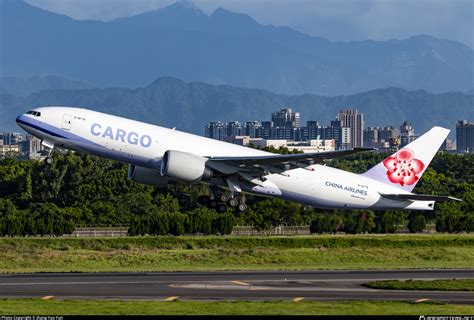
Key Hubs and Operational Impacts
The agreement focuses primarily on four pivotal U.S. West Coast airports:
- Los Angeles International Airport (LAX): A major international hub, LAX provides the highest interline synergy between the two airlines.
- San Francisco International Airport (SFO): Offers robust trans-Pacific connectivity with significant domestic demand.
- Ontario International Airport (ONT): With Southwest’s strong presence and minimal Delta competition, ONT becomes a strategic access point.
- Seattle-Tacoma International Airport (SEA): Serves as a northern Pacific gateway, especially relevant for traffic to/from Northeast Asia.
These hubs will serve as the logistical spine of the interline partnership, allowing travelers arriving on China Airlines to connect efficiently onto Southwest’s extensive domestic footprint, reaching cities like Las Vegas (LAS), Denver (DEN), Phoenix (PHX), and beyond. Though lacking codeshare integration, the simplified baggage handling and unified itinerary will make the travel experience substantially more fluid.
Passenger Experience and Booking Timeline
Travelers will be able to start booking interline flights by late 2025, ahead of the operational rollout in early 2026. Despite the lack of codeshare, the agreement does offer single-ticket booking and through-checked luggage, which are major conveniences for international travelers.
While passengers must check in with each airline separately and cannot earn reciprocal loyalty points, this is still a dramatic shift in accessibility for Southwest customers, who previously had no convenient options for onward travel from Asian origins. In return, China Airlines gains valuable reach into non-coastal U.S. markets where its own aircraft or partners had limited presence.
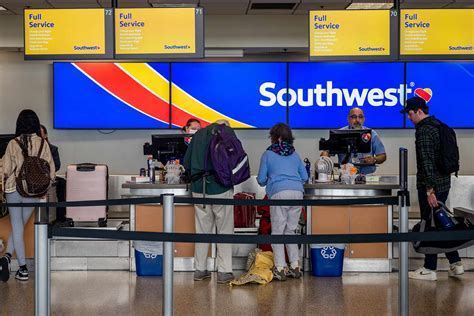
Market Dynamics and Competitive Implications
The interline announcement also hints at shifting competitive dynamics, particularly involving SkyTeam member Delta Air Lines, which has minimal coordination with China Airlines despite shared hubs. For instance, Delta’s footprint in Ontario is modest, and Southwest’s commanding share at ONT provides a fertile partnership ground for China Airlines looking to sidestep Delta’s dominance at LAX or SFO.
In doing so, China Airlines aligns with a partner that offers high frequency, operational simplicity, and broad market reach, especially in domestic corridors that are difficult for international carriers to penetrate effectively. This could challenge traditional alliance structures, highlighting how airlines can find mutual benefit outside the confines of long-standing global pacts.
Southwest’s presence on over 4,000 daily flights, many of which touch medium and smaller U.S. cities underserved by legacy international carriers, means travelers can fly from Asia to small-town America with a single itinerary for the first time. This is a game-changer for both tourism and business travel in those areas.
Industry Trends and Future Projections
This partnership mirrors a broader global trend where airlines seek flexible cooperation mechanisms that do not require full mergers or alliance memberships. Particularly in the post-pandemic era, cost efficiency and network agility are prized more than legacy branding.
Southwest’s careful approach shows it remains protective of its brand, pricing model, and operations, yet also acknowledges the need to evolve. This partnership may serve as a test case for more international pairings, potentially opening the door for future integrations in Latin America, Europe, or even South Pacific regions.
If passenger uptake and operational logistics prove successful, further developments could include:
- Codeshare arrangements
- Reciprocal loyalty program benefits
- Integrated check-in systems
- Potential discussions around joint ventures in targeted corridors
But even without these, the interline agreement opens a new chapter in Southwest’s history, making it more attractive to a global clientele seeking economical, wide-reaching U.S. travel options.
Conclusion: A Strategic Alliance With Far-Reaching Impacts
Though modest in its structural scope, the interline agreement between Southwest Airlines and China Airlines is anything but insignificant. It symbolizes a meaningful shift in how Southwest views international collaboration and marks a milestone for a carrier long defined by its domestic focus.
The benefits to passengers are immediate: easier bookings, fewer logistical hurdles, and broader connectivity. For the airlines, it is a mutually beneficial bridge across the Pacific that aligns with commercial needs, market realities, and long-term strategic goals.
As aviation redefines itself in the 21st century, such partnerships will play an essential role in shaping the next generation of airline networks—flexible, passenger-centric, and globally integrated.