The decision by Bangladesh to sign a government-to-government agreement with China for the local production of military aerial drones with full technology transfer marks a pivotal moment in South Asia’s evolving defense-industrial landscape. This deal is not merely a procurement contract; it is a strategic industrial leap that places Bangladesh on a path toward defense self-reliance, technological sovereignty, and long-term military modernization.
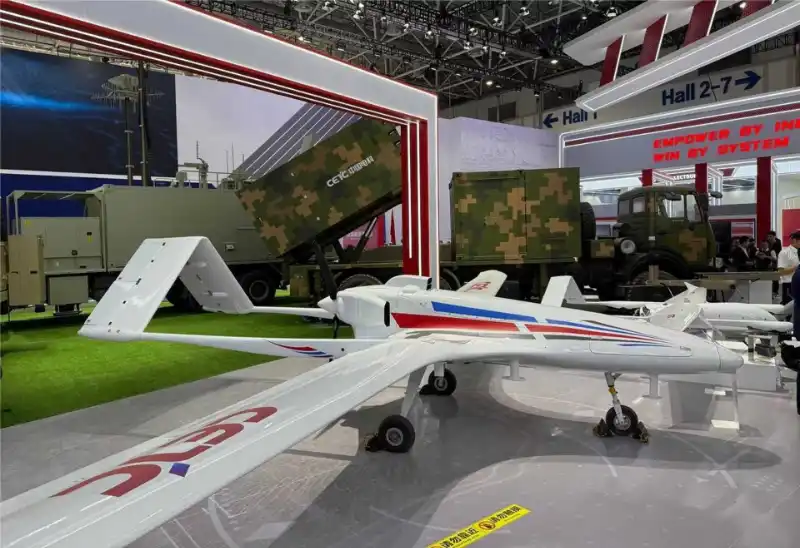
At the core of the agreement is a partnership between the Bangladesh Air Force and CETC International, the export arm of China Electronics Technology Group Corporation. The project will establish a domestic unmanned aerial vehicle manufacturing and assembly facility in Dhaka, granting Bangladesh the ability to assemble, maintain, and eventually manufacture multiple classes of UAVs. This is a significant departure from decades of dependence on foreign suppliers for unmanned systems and advanced aerospace technologies.
Strategic Shift Toward Indigenous Defense Production
The agreement was signed on January 27, 2026, at Dhaka Cantonment, signaling a deliberate shift in Bangladesh’s defense posture. Rather than relying solely on imported platforms, the country is investing in local industrial capacity, workforce development, and knowledge transfer. This approach reflects a broader trend among emerging military powers seeking to control not just weapons systems, but the intellectual and industrial ecosystems behind them.
Bangladesh’s defense planners have long recognized that dependence on foreign unmanned systems creates vulnerabilities, particularly in wartime sustainment, spare parts supply, and software upgrades. By embedding critical technical know-how within national institutions, the new facility aims to ensure operational continuity and flexibility in evolving security scenarios.
Budget Structure and Industrial Roadmap
The project carries an approved budget of Tk608.08 crore (approximately US$55 million), spread across four fiscal years from FY2025–26 to FY2028–29. The bulk of the funding, around Tk570.60 crore, is dedicated to importing, installing, and commissioning the manufacturing infrastructure and technical systems. The remaining Tk37.47 crore will cover local costs such as financial documentation and value-added tax.
Notably, the entire funding package will be sourced from within the Bangladesh Air Force’s existing budget allocations, avoiding additional fiscal burdens. This indicates strong institutional prioritization of unmanned systems within Bangladesh’s defense modernization framework.
The plant will initially focus on assembly and lifecycle support, with a gradual transition toward manufacturing and potential indigenous design capabilities. Defense sources suggest the facility will also serve as a foundation for research and development, enabling future innovation beyond Chinese-supplied platforms.
UAV Portfolio and Operational Capabilities
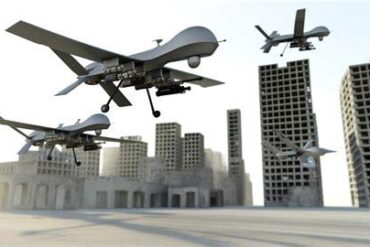
The technology transfer program encompasses a broad spectrum of unmanned aerial systems, including Medium Altitude Long Endurance (MALE) drones, Vertical Take-Off and Landing (VTOL) tactical UAVs, and other multi-role platforms tailored for surveillance, reconnaissance, and potential strike missions.
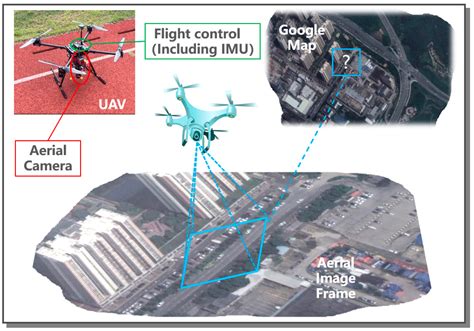
These systems are expected to provide persistent ISR (intelligence, surveillance, reconnaissance) coverage across Bangladesh’s maritime and land borders, enhance counter-insurgency capabilities, and improve situational awareness in complex terrain. VTOL drones will be particularly valuable for operations in austere or infrastructure-limited environments, such as coastal areas and remote border regions.
A notable element of the program is its emphasis on dual-use applications, including disaster response, humanitarian relief, and environmental monitoring. Given Bangladesh’s vulnerability to cyclones, floods, and climate-driven crises, UAVs could become a cornerstone of national emergency management.
Building a Domestic Defense Ecosystem
The agreement is designed not only to deliver hardware but to seed a domestic defense-industrial ecosystem. Local production of UAVs requires a network of suppliers in avionics, composite materials, propulsion systems, electronics integration, and software development. Analysts predict the emergence of spin-off industries and skilled technical jobs, potentially stimulating Bangladesh’s broader aerospace and electronics sectors.
This ecosystem-building approach aligns closely with Forces Goal 2030, Bangladesh’s long-term military modernization roadmap. By developing indigenous unmanned capabilities, the country is positioning itself as a technologically competent regional military actor with growing industrial autonomy.
China’s Expanding Defense-Industrial Footprint
For China, the deal represents a strategic expansion of its defense-industrial influence in South Asia. CETC International’s involvement reflects Beijing’s broader military-civil fusion strategy, which integrates commercial and defense technologies to strengthen export competitiveness and geopolitical reach.
China has aggressively marketed its UAV platforms to developing nations, offering cost-effective systems with fewer political restrictions compared to Western suppliers. By transferring technology rather than just selling finished products, China deepens long-term strategic ties and creates dependencies in training, software, and supply chains.
Industry analysts view the Bangladesh agreement as part of a broader pattern of Chinese defense technology diffusion, potentially reshaping regional power dynamics and procurement patterns.
Regional Geopolitical Implications
Bangladesh’s decision to partner with China for UAV technology transfer carries geopolitical significance. South Asia is witnessing intensifying strategic competition, particularly between China and India, with unmanned systems becoming a key component of modern military doctrine.
By developing indigenous drone production, Bangladesh gains greater autonomy in defense planning and reduces vulnerability to external political pressure. However, the move also requires careful diplomatic balancing, as Dhaka maintains close economic ties with Beijing while navigating strategic relationships with India and other Indo-Pacific stakeholders.
The location and operational capabilities of the new facility may attract regional scrutiny, especially as drones become central to border surveillance, maritime security, and potential strike operations.
Implementation Timeline and Operational Outlook
Although detailed timelines remain undisclosed, officials anticipate construction and initial production within 18 to 24 months. Early phases will likely focus on assembly, training, and maintenance capabilities, followed by gradual localization of manufacturing processes.
Over time, Bangladesh could leverage this foundation to develop indigenous UAV designs, integrate domestic software and AI-driven analytics, and tailor platforms for specific operational doctrines. The strategic value lies not just in owning drones, but in controlling the entire lifecycle—from design and production to sustainment and upgrades.
Defense experts predict that Bangladesh’s UAV fleet could expand significantly in the next decade, with unmanned systems becoming integral to maritime patrol, border security, counter-terrorism, and disaster response operations.
Transformative Impact on Bangladesh’s Defense Posture
This agreement represents more than a procurement milestone; it is a transformational shift in Bangladesh’s military-industrial identity. By acquiring full technology transfer for military drones, the country joins a relatively small group of nations capable of producing advanced unmanned systems domestically.
The initiative strengthens national sovereignty, enhances operational resilience, and positions Bangladesh as a rising player in the regional defense technology arena. As unmanned systems redefine modern warfare and security operations, Bangladesh’s investment in indigenous UAV capabilities could prove to be one of the most consequential defense decisions of the decade.
The long-term success of the program will depend on sustained funding, institutional expertise, and the ability to evolve beyond assembly toward innovation. If executed effectively, the Dhaka UAV facility could become a cornerstone of Bangladesh’s future military power projection and technological independence, reshaping how the nation secures its borders, protects its citizens, and navigates an increasingly complex geopolitical environment.