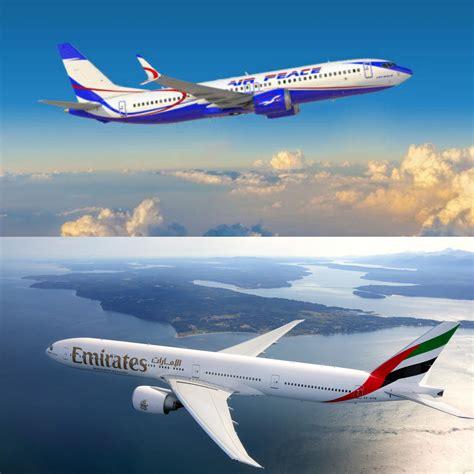
The launch of a formal interline partnership between Emirates and Air Peace in January 2026 marks a decisive turn in a relationship once defined by slot disputes and regulatory friction. What was previously a rivalry shaped by access constraints has evolved into a commercially pragmatic alliance, designed to simplify long-haul travel between West Africa, the Middle East, and Europe. For passengers, the shift translates into seamless itineraries and reduced friction. For the airlines, it signals a recalibration toward cooperation in one of aviation’s fastest-growing regions.
At its core, the agreement allows travelers to book flights across both carriers on a single ticket, with checked baggage transferred through to the final destination. This may sound procedural, but in a region where fragmented networks often complicate international journeys, the change is substantive. It replaces patchwork itineraries with coordinated schedules and predictable connections, especially valuable for business travelers and diaspora traffic moving between Nigeria, the Gulf, and the UK.
The deal builds on an earlier, more limited arrangement that connected Emirates’ Lagos services to Air Peace’s domestic Nigerian network. The 2026 expansion broadens that scope across key West African markets, extending reach into regional hubs that have historically lacked efficient one-stop access to global long-haul routes. The timing reflects a shared recognition: demand is rising, and collaboration beats confrontation when infrastructure and access remain uneven.
From Slot Wars to Strategic Alignment
Not long ago, the Emirates–Nigeria aviation relationship was strained by disputes over slot allocations and the repatriation of airline funds. Those tensions shaped public narratives and constrained capacity growth. The new interline agreement does not erase that history, but it reframes it. By choosing alignment over escalation, both carriers signal a shift toward normalization and long-term market development.
For Emirates, the partnership offers deeper access to secondary African cities that are impractical to serve directly with widebody aircraft. For Air Peace, it delivers international visibility and a credible bridge to a global network without the operational burden of launching intercontinental routes. The alignment is less about concession and more about complementary strengths meeting in the middle.
How the Interline Agreement Actually Improves Travel
Interline agreements occupy a pragmatic middle ground in airline partnerships. They stop short of full codeshares, avoiding the complexity of shared flight numbers and deep systems integration, while still delivering tangible benefits. Under this framework, passengers gain through-check baggage, protected connections, and unified ticketing—features that materially reduce travel stress.
In practice, the Emirates–Air Peace interline integrates Air Peace’s regional network with Emirates’ long-haul services via Dubai International Airport, one of the world’s most efficient transfer hubs. Travelers originating in cities such as Dakar, Banjul, Freetown, or Monrovia can now connect through Accra or Abidjan, flow into Lagos, and continue onward to Dubai on a single itinerary. From there, Emirates’ extensive network opens access to Europe, Asia, and multiple UK airports.
Expanding West African Reach Without New Long-Haul Routes
The strategic elegance of the partnership lies in its efficiency. No new aircraft orders were required. No new long-haul routes were announced. Yet the effective network size for both airlines expanded overnight. Emirates strengthens its African footprint by leveraging Air Peace’s regional reach, while Air Peace positions itself as a connector airline within West Africa, feeding traffic into one of the world’s most powerful hubs.
This model is particularly well-suited to markets where demand is strong but fragmented. Rather than chasing thin long-haul routes with uncertain yields, the interline approach consolidates traffic and improves load factors across existing services. For passengers, the benefit is choice: more routings, better schedules, and fewer self-managed connections.
Symbolism Beyond the Balance Sheet
Beyond commercial logic, the agreement carries symbolic weight. Aviation relationships often mirror broader diplomatic and economic ties, and improved air links tend to act as catalysts for trade, tourism, and investment. The renewed cooperation between a major Gulf carrier and Nigeria’s largest private airline suggests a thawing of tensions and a shared interest in stability and growth.
Adnan Kazim, Emirates’ Deputy President and Chief Commercial Officer, underscored this broader vision, emphasizing the role of partnerships in strengthening Nigeria’s aviation, tourism, and trade sectors. The language is telling. This is not framed as a narrow revenue play, but as infrastructure for economic exchange.
What This Means for Passengers and Cargo
For travelers, the most immediate impact is simplicity. Single-ticket journeys reduce missed connections and eliminate the need to reclaim and recheck baggage mid-route. Coordinated schedules improve reliability, while access to Emirates’ premium cabins enhances the long-haul experience for passengers originating in regional African cities.
Cargo shippers also stand to benefit. While the agreement is passenger-focused, improved coordination often unlocks bellyhold cargo opportunities, particularly on routes linking West Africa with the Gulf and Europe. In economies where air cargo plays a critical role in moving high-value and time-sensitive goods, incremental capacity can have outsized effects.
A Platform for Deeper Cooperation
Industry observers view interline partnerships as stepping stones. They allow airlines to test demand, align operations, and build trust without committing to deeper integration. If passenger uptake is strong and operational performance holds, future expansions could include additional destinations, enhanced schedule coordination, or even selective codesharing.
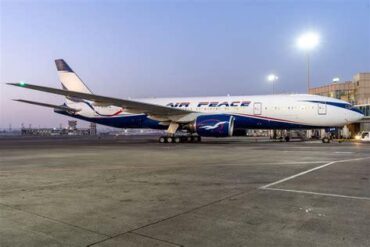
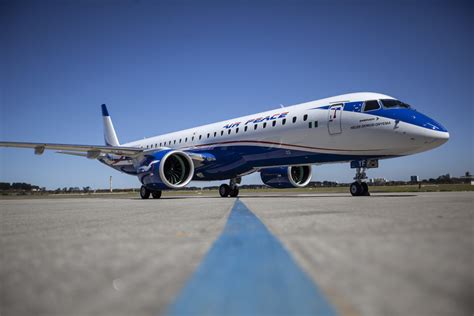
Air Peace operates one of the youngest fleets in West Africa, while Emirates continues to deploy widebody aircraft with high-capacity premium cabins on its Lagos services. The hardware is in place. What follows will depend on execution, consistency, and the willingness to keep collaboration ahead of competition.
The Emirates–Air Peace interline agreement does not promise spectacle. It promises function. In a region where connectivity gaps have long constrained growth, that may be the most transformative outcome of all.