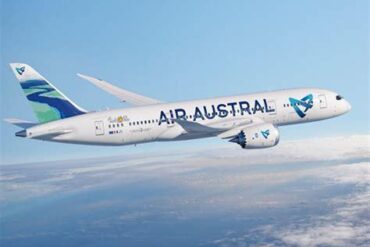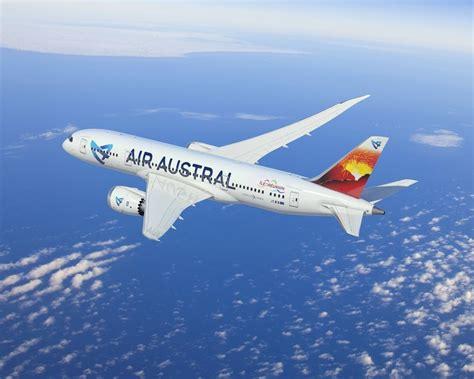
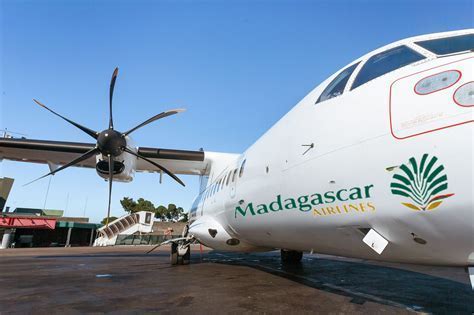
Madagascar Airlines has taken a transformative leap by entering into a codeshare agreement with Air Austral, marking a pivotal moment in Indian Ocean aviation. Announced during the Paris Air Show 2025, this strategic partnership isn’t merely about shared flight numbers—it’s a calculated effort to redefine air connectivity across a historically underserved region while rising to meet challenges posed by global contenders such as ITA Airways, Etihad, airBaltic, IndiGo, and Air India.
By weaving together their networks through a codeshare and Special Prorate Agreement (SPA), the two carriers have not only enhanced regional mobility but have also reignited Madagascar’s potential as a globally accessible destination.
Strategic Timing and Symbolism at Paris Air Show 2025
The unveiling of the agreement at the Paris Air Show 2025 carried heavy symbolism. In the global aviation calendar, this event is more than just a showcase of new aircraft—it’s a stage for strategic realignments and high-level negotiations. The presence of Madagascar Airlines and Air Austral at this venue reinforced the ambition behind their cooperation: to position the Indian Ocean as a hub of growth, innovation, and accessibility.
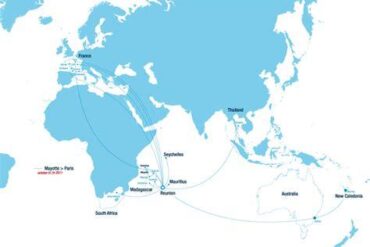
The codeshare and SPA are tailored to provide seamless connectivity between Madagascar and Réunion Island, while unlocking new long-haul markets. The partnership gives Madagascar Airlines access to Air Austral’s well-established international routes from Réunion to Asia and Africa. Passengers now have simplified booking experiences, coordinated schedules, and combined fare structures that drastically reduce the friction often encountered when traveling between island nations.
Expanded Access to Global Destinations
Effective June 27, 2025, the new framework allows customers of Madagascar Airlines to reserve seats on Air Austral’s long-haul services to destinations like Bangkok (BKK) and Johannesburg (JNB), using Réunion as a central hub. In turn, Air Austral gains strategic entry into Madagascar’s domestic airspace, connecting to niche markets such as Sainte-Marie and Fort Dauphin, which are otherwise difficult to access for international visitors.
This bilateral exchange doesn’t just make logistics smoother—it brings new destinations to the international spotlight and elevates the role of regional airports as global connection points.
The Backbone of the Partnership: SPA and Codeshare Mechanics
The Special Prorate Agreement goes beyond surface-level collaboration. It enables revenue-sharing and risk mitigation for both airlines, ensuring financial sustainability while expanding service coverage. For an industry still recovering from post-pandemic volatility and soaring operational costs, such measures are not merely beneficial—they’re vital.
By unifying fare structures and harmonizing schedules, the agreement eliminates redundancy and reduces the competitive burden often associated with overlapping routes. Instead of fighting for market share, the carriers are co-creating a shared ecosystem that benefits travelers, investors, and tourism economies alike.
Phénix 2030: Madagascar Airlines’ Vision in Motion
For Madagascar Airlines, this alliance is a major milestone in its Phénix 2030 transformation strategy, a long-term roadmap aimed at modernizing the carrier’s fleet, digital infrastructure, and global partnerships. The goal is to emerge as a competitive, customer-oriented national airline that plays a key role in regional economic growth.
With Air Austral offering premium service models and deeper reach into international markets, Madagascar Airlines gains not only operational leverage but also brand visibility and credibility—essential ingredients in the fiercely competitive aviation market.
Competitive Landscape: Heavyweights in the Sky
This move does not unfold in isolation. ITA Airways, backed by Lufthansa and expanding aggressively into Africa and the Middle East, Etihad, with its ultra-luxury positioning and global codeshare web, airBaltic, known for pioneering Airbus A220 deployment in Europe, IndiGo, India’s low-cost giant targeting transcontinental expansion, and Air India, revitalized under Tata Group’s stewardship—all present formidable competition.
Each of these players is executing strategies involving new partnerships, joint ventures, and aggressive market entries. The competition is no longer about individual routes—it’s about who can offer integrated global mobility with local precision.
In this context, the Madagascar–Air Austral alliance is a tactical strike, anchoring Madagascar in a networked world before it becomes overshadowed by larger, better-funded competitors.
Unlocking Tourism and Trade Potential
Madagascar is one of the world’s last biodiversity frontiers—a magnet for eco-tourism, scientific exploration, and adventure travel. But logistical headaches and high travel costs have historically choked its potential. By linking Madagascar to Réunion’s better-connected infrastructure, the deal creates a corridor that invites tourists from Europe, Asia, and Africa to explore the island’s rainforests, coral reefs, and cultural heritage with less hassle.
This could result in tourism sector growth rates of 15–20% year-on-year if supported by marketing, infrastructure, and visa facilitation. Simultaneously, local artisans, agricultural producers, and service providers will gain access to larger, more diversified customer bases.
Economic Integration and Infrastructure Ripple Effects
Beyond tourism, the enhanced air corridor strengthens economic resilience and integration. Better connectivity facilitates:
- Cross-border trade and logistics, especially perishables and pharmaceuticals
- Academic exchange between institutions in Madagascar, Réunion, and beyond
- Labor mobility for medical professionals, engineers, and educators
- Public-private investment in green energy, health, and transport infrastructure
Regional governments will find new incentives to invest in airport modernization, regulatory harmonization, and tourism promotion, building a feedback loop of development supported by air travel.
Island Nations and the Future of Aviation Strategy
Small-island developing states (SIDS) face a common dilemma: fragmented air networks, high per-capita travel costs, and low fleet utilization. The Madagascar–Air Austral codeshare model offers a replicable blueprint for islands in the Caribbean, Southeast Asia, and the South Pacific, where similar dynamics hamper growth.
Instead of purchasing more aircraft or expanding individually, airlines can pool networks, optimize routes, and use SPA mechanisms to share earnings equitably. This enables higher efficiency, better seat load factors, and ultimately, more sustainable business operations.
If proven successful, this model could attract development financing and UN-level aviation support aimed at improving resilience among island nations most vulnerable to climate and market shocks.
Environmental and Sustainability Dimensions
The codeshare agreement also opens up opportunities for environmental stewardship. By eliminating redundant flights and optimizing aircraft rotations, the alliance helps lower per-passenger emissions, especially on long-haul segments.
Moreover, both Madagascar Airlines and Air Austral have publicly committed to fleet modernization and cleaner energy adoption, including SAF (sustainable aviation fuel) testing and carbon offsetting programs. These initiatives align with ICAO’s CORSIA targets, placing both carriers ahead in the race to meet net-zero emission goals by 2050.
Final Take: A Tactical Alliance with Global Reverberations
The Madagascar Airlines–Air Austral partnership is not a regional curiosity—it’s a calculated move with continental and global implications. It reflects a growing recognition that airline cooperation, not just competition, is key to long-term survival and success in a volatile, crowded, and eco-conscious market.
As codeshare bookings begin on June 27, 2025, stakeholders across the Indian Ocean will be watching closely—not just for the commercial gains, but for the broader impacts on tourism, trade, development, and diplomacy.
In a world where aviation must do more than connect dots on a map, this is a bold and timely step toward reshaping the geography of opportunity.