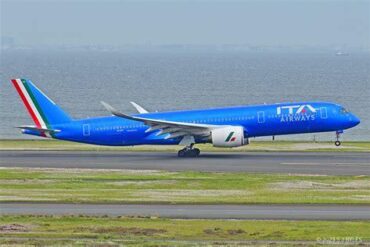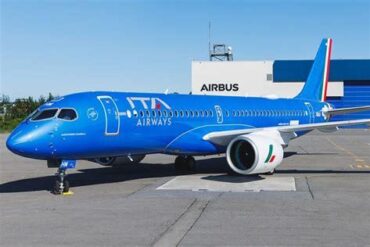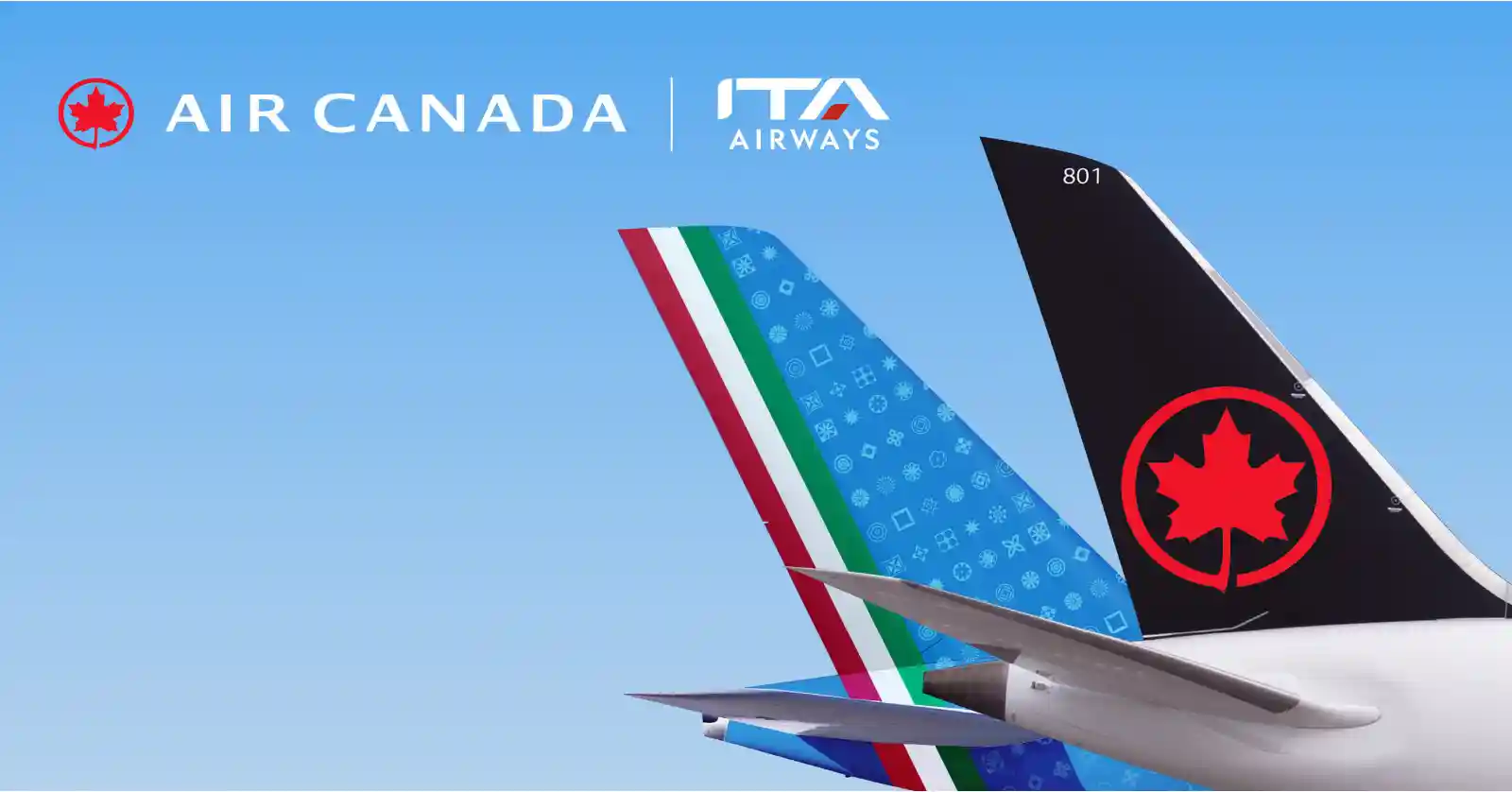
The transatlantic aviation landscape is undergoing a major transformation as Air Canada and ITA Airways enter into a new codeshare partnership, effective July 21, 2025, designed to expand flight options and deepen ties between Canada and Italy. This alliance not only strengthens commercial links but also offers enhanced passenger convenience, integrated loyalty benefits, and a long-term vision of seamless international connectivity.
A Major Step Forward in Transatlantic Air Travel
Announced in Montreal, the partnership represents a strategic collaboration that enables both carriers to market each other’s flights. Under the agreement, travelers can now book trips across both networks in a unified manner, complete with shared flight codes, integrated baggage handling, and a streamlined itinerary.
The timing is pivotal. As commercial air traffic between Canada and Italy resumes in full swing, this partnership is poised to make multi-city European or North American itineraries more practical and efficient. With increased demand for cross-continental leisure and business travel, the collaboration is a timely response to global mobility trends.
Expanding Italian and Mediterranean Access for Canadian Travelers
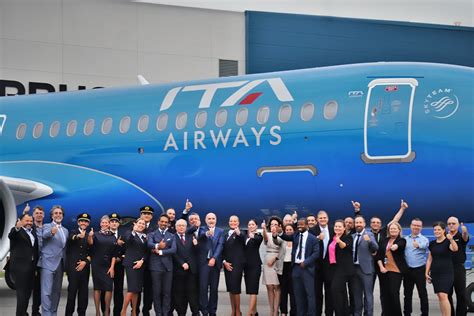
Canadian flyers will now find their reach within Italy—and beyond—dramatically improved. Flights operated by ITA Airways between Rome Fiumicino (FCO) and a selection of regional Italian cities—including Florence, Bari, Palermo, Catania, and Lamezia Terme—will now carry Air Canada codes, allowing seamless connectivity with just a single ticket.
Moreover, the codeshare extends to strategically important Mediterranean and North African hubs. Canadian travelers can now book direct itineraries (through Rome) to cities like Cairo, Tunis, Algiers, and Tirana under the Air Canada banner. This opens new gateways into Southern Europe, North Africa, and the Middle East, regions where demand for both tourism and diaspora travel is steadily increasing.
North American Expansion for ITA Airways Passengers
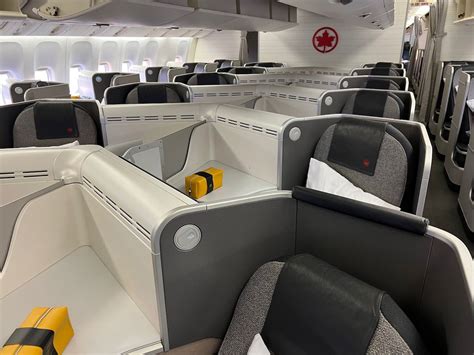
Conversely, ITA Airways passengers arriving in Toronto Pearson International Airport (YYZ) will gain access to an expansive web of destinations across Canada and the United States. These include Montréal, Ottawa, Vancouver, Calgary, Edmonton, and St. John’s, with further options extending into U.S. cities such as Boston, Orlando, Fort Lauderdale, and Dallas.
This extensive network offers Italian travelers simplified cross-border connectivity and the ability to use Air Canada flights as springboards for further travel across North America. For ITA Airways, this deal lays critical groundwork for expanding its footprint into one of the world’s most vital aviation markets.
Strategic Growth and Network Synergy
This collaboration is far more than a route-sharing arrangement—it is a strategic alignment of market presence. Air Canada solidifies its hold on southern and regional Italian traffic, bolstering its position in Rome, a key European hub. At the same time, ITA Airways gains a North American partner with a deep-rooted domestic network and a strong reputation for transatlantic service.
Both airlines benefit from enhanced brand visibility, network coverage, and a shared ability to serve as one-stop shops for travel to and from key global regions. It reflects a mutual understanding of passenger demand patterns and the growing desire for flexible, multi-stop international itineraries.
Loyalty Programs Now Work in Tandem
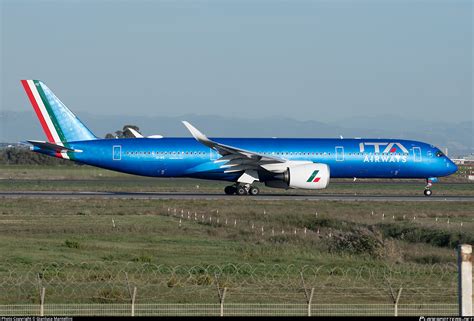
Travelers enrolled in Air Canada’s Aeroplan or ITA Airways’ Volare programs will be pleased to learn that loyalty rewards now span both networks. This synchronization means that eligible travelers can earn and redeem miles regardless of which airline operates the flight.
More importantly, travelers benefit from shared elite perks, including priority boarding, upgrade eligibility, lounge access, and bonus point accumulation, across both carriers. This elevation in customer experience marks a fundamental shift in how loyalty schemes are leveraged to retain frequent flyers and promote interline travel.
ITA Airways’ Star Alliance Membership: A Future Milestone
In an important development scheduled for early 2026, ITA Airways is expected to officially join the Star Alliance—the world’s largest airline alliance, which includes founding member Air Canada. This will formalize and deepen the cooperation between the two carriers.
With Star Alliance membership, ITA Airways will gain access to a global infrastructure of coordinated flight schedules, shared airport lounges, and streamlined customer services, thereby simplifying long-haul travel even further. For Air Canada, the inclusion of ITA Airways strengthens the alliance’s European portfolio.
Air Canada’s Expanding Presence in Italy
As a long-time operator in Italy, Air Canada is already well-positioned to serve its loyal base of transatlantic travelers. In the peak season, it operates up to 39 weekly flights across major Italian cities including Rome, Milan, Venice, and Naples. A recent addition is the non-stop route from Montréal to Naples, catering directly to Canada’s sizable Italian diaspora.
To further enhance connectivity across the Italian peninsula, Air Canada maintains a partnership with Trenitalia, Italy’s national rail operator. This allows travelers to book integrated air-rail tickets, ensuring a single-ticket journey from Canadian cities to Italian towns via high-speed rail—a convenience increasingly sought after by international tourists.
ITA Airways’ International Growth Trajectory
Founded as the successor to Alitalia, ITA Airways has spent the past few years rebuilding and expanding. As of mid-2025, the airline operates flights to 59 destinations, including 16 intercontinental routes and 27 European cities. Its hub at Rome Fiumicino is the cornerstone of a broader Mediterranean and global strategy.
Through strategic codeshare and interline agreements, ITA is extending its reach to North America, Asia, and the Middle East, establishing itself as a modern and agile international carrier. The partnership with Air Canada is not just an operational win—it is a cornerstone of ITA’s long-term vision for global expansion and market competitiveness.
A Win-Win for Travelers and Global Connectivity
What this codeshare agreement truly delivers is unmatched convenience. Passengers will now enjoy:
- Coordinated flight schedules between Canada and Italy
- Integrated loyalty point accumulation across Aeroplan and Volare
- One-stop ticketing for multi-city international itineraries
- Streamlined check-in and baggage transfer processes
- Broader access to destinations in the Mediterranean, North America, and beyond
More than just a merger of routes, the partnership elevates the entire travel experience. It addresses the growing need for efficient, intercontinental travel while catering to the expectations of the modern traveler who demands speed, reliability, and rewarded loyalty.

Setting the Stage for Future Aviation Alliances
As ITA Airways prepares to enter Star Alliance, this codeshare with Air Canada acts as a springboard for deeper alliance integration. The agreement sets a benchmark for future inter-airline cooperation, especially in post-pandemic aviation recovery, where flexible, networked travel is increasingly the norm.
Airlines are no longer simply carriers; they are connectivity platforms. This partnership showcases what the future of aviation will look like—borderless, integrated, and customer-centric. By combining operational strengths, market reach, and traveler-centric perks, Air Canada and ITA Airways are writing the next chapter of transatlantic air travel.

Conclusion: The New Blueprint for Cross-Atlantic Travel
The Air Canada–ITA Airways codeshare agreement signifies more than just new routes; it represents a modern blueprint for international aviation partnerships. With synchronized loyalty programs, access to emerging markets, and a vision aligned with Star Alliance’s global ecosystem, this partnership is designed for the long haul.
For passengers, this means fewer headaches, more choices, and a truly global experience made simple. For the airlines, it’s a strategic leap into next-generation connectivity. Together, they are not only bridging the Atlantic—they are reshaping how the world travels between North America and Europe.