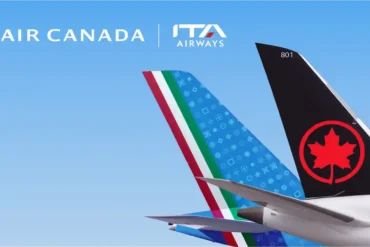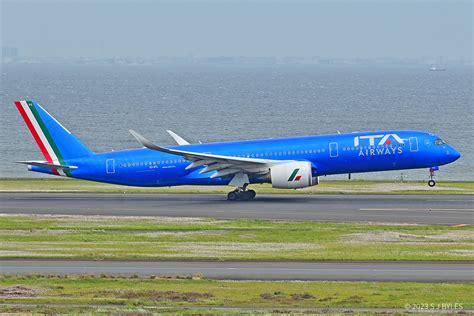
Air Canada has formally petitioned the United States Department of Transportation (DOT) for indefinite authorization of its codeshare agreement with ITA Airways, a move that could significantly expand travel options between North America and the European Union. This request, deeply rooted in the evolving landscape of transatlantic aviation partnerships, signals a strategic step forward not only for the Canadian flag carrier but also for the Lufthansa-led alliance integrating ITA Airways into a broader network.
The codeshare, if approved, would allow ITA Airways’ AZ designator to be placed on Air Canada-operated flights between Canada and the United States, providing ITA customers with seamless access to key North American destinations. Air Canada has emphasized the urgency and importance of the DOT’s expedited approval, asserting that the arrangement is in the public interest and consistent with existing Open Skies agreements.

The Strategic Logic Behind the Partnership
Air Canada’s move follows Lufthansa Group’s acquisition of a 41% minority stake in ITA Airways, a deal that paves the way for ITA’s full integration into Star Alliance by early 2026. As a core member of the A++ transatlantic joint venture, alongside United Airlines and Lufthansa, Air Canada is positioning itself to leverage this partnership to enhance connectivity and competitive strength across the Atlantic.
The joint venture enables extensive cooperation on scheduling, pricing, and revenue-sharing across the Atlantic market. With ITA Airways in the fold, this network would deepen its reach in Southern Europe while unlocking greater intra-North American access for Italian and broader EU travelers.
In its DOT filing, Air Canada noted that this codeshare is already technically in effect on select routes, but full and formal approval is required for broader implementation and long-term sustainability. The airline specifically requested permission to apply the codeshare not only on existing itineraries but also on future ones and those marketed through Air Canada affiliates like Air Canada Rouge.
Initial Routes and Network Implications
Air Canada intends to launch the codeshare with four specific U.S. destinations from Toronto Pearson International Airport (YYZ):
- Boston Logan International Airport (BOS)
- Dallas/Fort Worth International Airport (DFW)
- Fort Lauderdale Hollywood International Airport (FLL)
- Orlando International Airport (MCO)
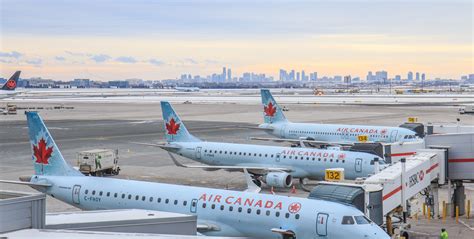
Although ITA Airways currently only serves Boston among the listed destinations, it operates daily flights from Rome Fiumicino (FCO) to Toronto, along with a network of eight total transatlantic routes to North America, including several U.S. cities. This codeshare would effectively enable same-ticket booking and baggage handling for Italian passengers traveling onward from Canada into the United States.
This design presents significant benefits not only for leisure and business travelers but also for the airlines themselves, who can now optimize aircraft utilization and broaden sales channels across both continents. Furthermore, the integration of booking systems and loyalty programs will create added value for frequent flyers, particularly once ITA completes its transition into Star Alliance.
Regulatory Framework and Open Skies Context
Air Canada’s application leans heavily on the established framework of Open Skies agreements between the United States, Canada, and the European Union. These agreements are intended to promote liberalized air services, encourage greater market competition, and offer enhanced consumer choice.
Citing previous DOT decisions, Air Canada argued that “increased international codesharing and other cooperative arrangements can benefit consumers by increasing international service options and enhancing competition between carriers.” This claim is consistent with the Department’s own policy preferences, particularly in light of the globalization of airline alliances and the push for more integrated international services.
Moreover, with ITA’s impending alignment with Star Alliance, the move supports the alliance’s broader objective of expanding its daily global departures and strengthening its presence in underutilized European hubs.
Star Alliance Expansion and Competitive Dynamics
The implications of this partnership reach far beyond bilateral air traffic. ITA Airways’ integration into Star Alliance, expected by early 2026, will inject approximately 360 daily flights into the alliance’s European network, according to Star Alliance executives.
This aligns with Lufthansa Group’s broader strategy to create a pan-European powerhouse, anchored in Rome via ITA and complemented by its stable of carriers in Germany, Switzerland, Belgium, and Austria.
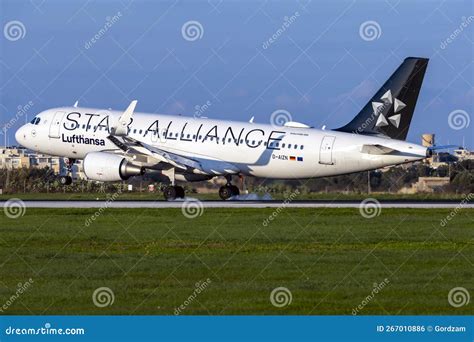
The joint codeshare will serve as an initial testbed for deeper collaboration between Air Canada and ITA Airways. The revenue potential from connecting secondary U.S. cities to Italy through Canadian hubs is significant, particularly for markets underserved by direct transatlantic routes. For instance, travelers from cities like Orlando or Dallas would gain single-stop connectivity to Rome, bypassing larger U.S. gateways.
This would place competitive pressure on airlines in rival alliances—such as Delta and Air France-KLM in SkyTeam—who may now face route cannibalization or yield erosion on North Atlantic routes historically dominated by their networks.
ITA Airways’ Growing North American Footprint
ITA Airways, though a relatively new entrant, has moved quickly to secure its position across the Atlantic. Its launch of Chicago O’Hare flights earlier this month marks the airline’s expanding North American ambitions. Combined with its established services to New York, Boston, Miami, Washington D.C., and Toronto, the airline is poised to become a serious contender in transatlantic premium traffic.
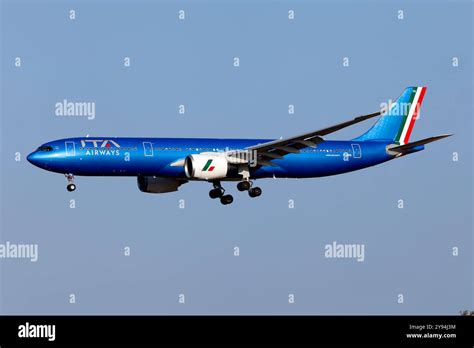
ITA’s modern long-haul fleet, primarily consisting of Airbus A330neos, has helped the airline compete on product quality and fuel efficiency, making its services more attractive for codeshare integration. Moreover, with Lufthansa Group facilitating cross-brand booking access beginning July 1, travelers on Austrian, SWISS, Brussels Airlines, and Lufthansa will be able to book ITA-operated long-haul flights using a unified digital infrastructure.
This evolution will further smooth the path toward a comprehensive codeshare web, where customer loyalty programs, elite benefits, and baggage handling are harmonized across all segments of a passenger’s journey, regardless of airline.
Conclusion: A Pivotal Moment for Transatlantic Aviation
The DOT’s forthcoming decision on this application carries outsized implications. On a tactical level, it will determine the ease with which ITA can penetrate North American secondary markets through the Canadian gateway. Strategically, it represents an incremental but powerful milestone in the Lufthansa Group’s transformation of ITA Airways into a transatlantic conduit for Star Alliance.
If approved, the Air Canada–ITA codeshare will accelerate the reshaping of North American-European air travel dynamics, intensifying competition and broadening consumer choices. As global airline alliances continue to consolidate and adapt to shifting geopolitical and economic pressures, this move marks a forward-looking investment in connectivity, cooperation, and market competitiveness.