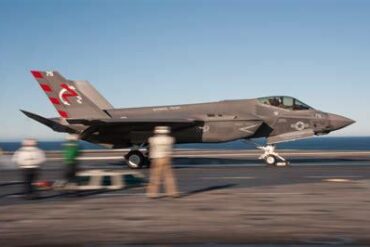
On July 16, 2025, Lockheed Martin announced the successful flight testing of its CMMT-D and CMMT-X missile variants, marking a significant advancement in the US Air Force’s precision strike capabilities. These two new systems, developed under the Common Multi-Mission Truck (CMMT) program, offer a modular, scalable, and cost-effective alternative to traditional high-cost cruise missiles. Both are designed to bolster the Air Force’s ability to conduct high-volume, flexible strike missions, addressing the increasing demand for affordable standoff weapons in future conflicts.
The CMMT Program: A New Generation of Modular Missiles
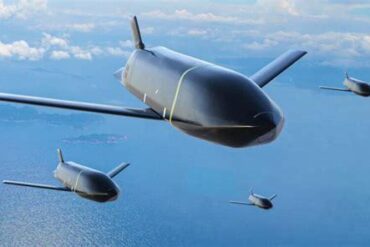
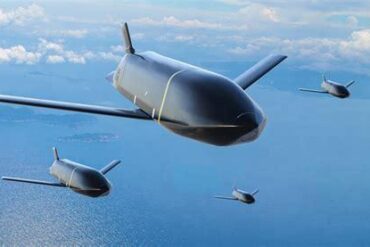
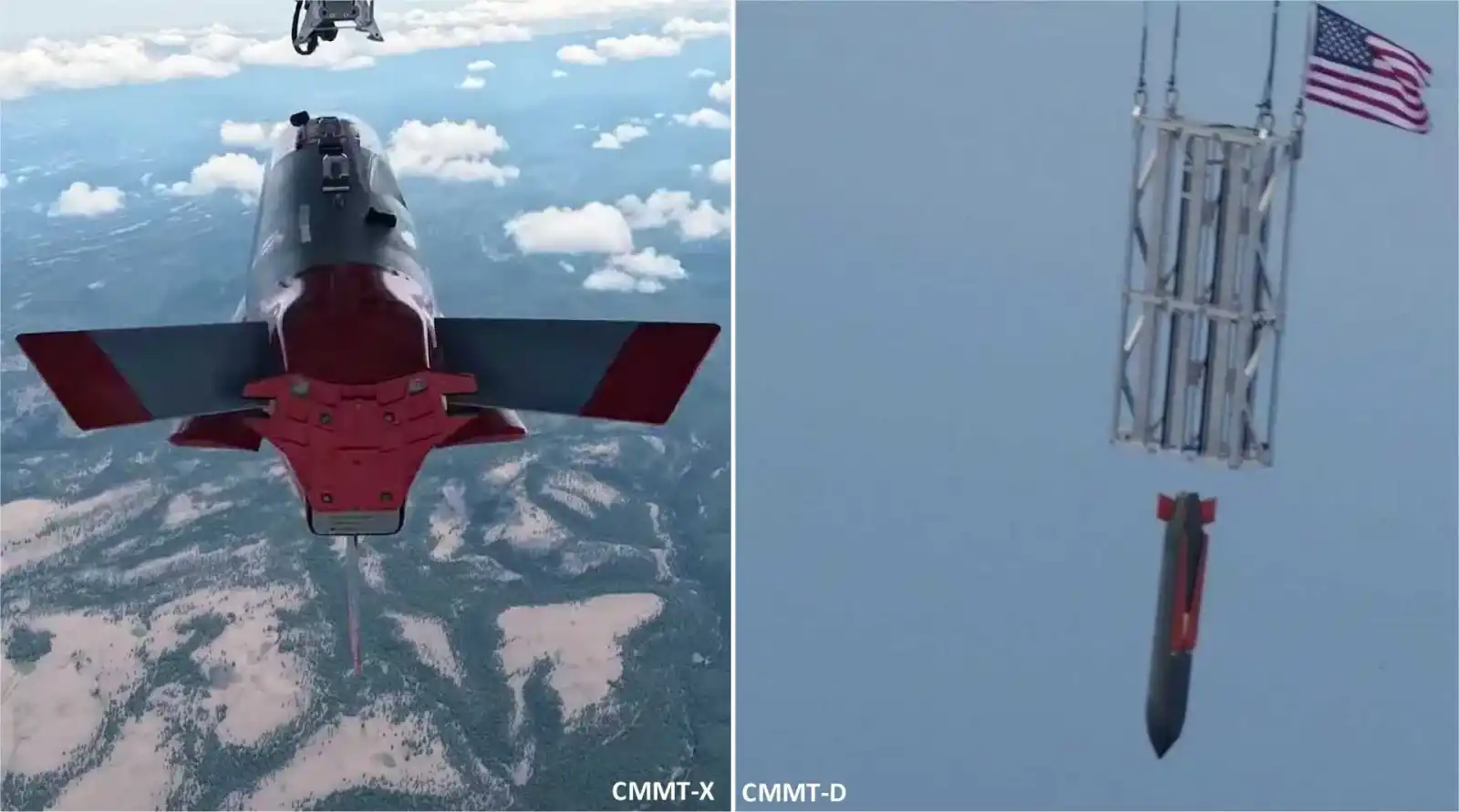
The CMMT-D and CMMT-X represent two distinct yet complementary approaches within the CMMT program. The CMMT-D is a glide-configured missile, launched from Rapid Dragon pallets aboard cargo aircraft like the C-130 and C-17. This allows the Air Force to transform transport aircraft into makeshift strike platforms, deploying missiles in significant volumes without relying on dedicated bomber fleets. In contrast, the CMMT-X is a powered cruise missile, launched from pylons mounted on traditional combat aircraft. Its engine grants it extended range and flexibility compared to its unpowered sibling.
The CMMT-D, tested in May 2025 at Oregon’s Tillamook UAS Test Range, demonstrated its gliding capability after being released from a helicopter-suspended Rapid Dragon pallet at 14,500 feet. The missile successfully deployed its wings and descended safely, simulating an operational deployment from a cargo aircraft. In June 2025, the CMMT-X underwent its first successful pylon launch at the Pendleton UAS Range, initiating powered flight after wing deployment, showcasing the effectiveness of its modular design.
Technical Design and Capabilities
Lockheed Martin’s CMMT missiles are engineered for scalability and mass production, emphasizing affordability without sacrificing operational effectiveness. The standard CMMT airframe measures 96 inches in length and is designed to fit within the internal weapons bay of an F-35. However, longer-range variants can exceed these dimensions due to additional fuel capacity.
- CMMT-D Range: Approximately 800 kilometers (500 miles), relying on glide dynamics post-deployment.
- CMMT-X Range: Estimated 650 kilometers (350 miles), with sustained powered flight.
- Cost Per Unit: Less than $150,000, substantially cheaper than traditional systems like the AGM-158 JASSM, which exceed $1.5 million per missile.
Both missile variants operate at subsonic speeds and are not designed with advanced stealth features, underscoring their role as mass-deployment weapons intended to complement, not replace, high-cost precision missiles.
The Rapid Dragon Advantage
The CMMT-D’s compatibility with Rapid Dragon pallet systems introduces a paradigm shift for the Air Force’s deployment strategies. Cargo aircraft, traditionally non-combat platforms, can now serve as standoff strike launchers capable of deploying up to 100 missiles per sortie using four Rapid Dragon pallets, each carrying 25 missiles. This transformation of cargo fleets into strike assets allows rapid response capabilities without overburdening conventional bomber and fighter units.
This deployment method also allows the Air Force to saturate enemy air defenses, deploying inexpensive munitions in bulk to overwhelm adversary systems—a tactic increasingly relevant in modern contested environments.
Manufacturing Scalability and Digital Engineering
Lockheed Martin’s development timeline for the CMMT missiles is notably accelerated due to Project Carrera, emphasizing model-based systems engineering and digital integration. These techniques, part of Lockheed’s larger 1LMX initiative, reduced preliminary design review timelines by 50%, accelerating the transition from concept to production-ready design. Both the CMMT-D and CMMT-X were developed in under a year—a remarkable achievement in missile development:
- CMMT-D: First flight achieved within 10 months from concept initiation.
- CMMT-X: Reached powered flight in 7 months post-concept initiation.
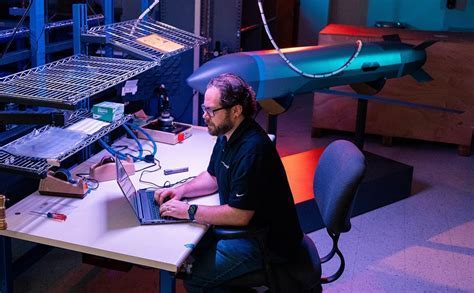
To optimize production, Lockheed has incorporated agile manufacturing cells, enabling quick replication of assembly lines across U.S. and allied territories. The missiles’ Weapon Open System Architecture (WOSA) compliance facilitates modularity, allowing for varied payloads, seekers, and propulsion configurations without a complete redesign. Components are sourced from existing Lockheed systems, and final assembly—including warhead and fuel integration—can occur closer to deployment zones, reducing logistics complexity.
Potential assembly facilities, such as in Camden, Arkansas, highlight the decentralization strategy, aimed at flexibility and supply chain resilience. Lockheed projects a production capacity of up to 2,500 missiles annually, positioning CMMT as a prime candidate for rapid mass production to meet strategic demands.
Project Carrera and Strategic Vision
Project Carrera, under which CMMT is developed, is structured around three primary investment areas:
- $20 million: Manned-unmanned teaming and autonomous systems.
- $42 million: Open architecture, waveforms, and rapid prototyping.
- $38 million: Battlefield integration systems, including Low Earth Orbit sensors and command-and-control interfaces.
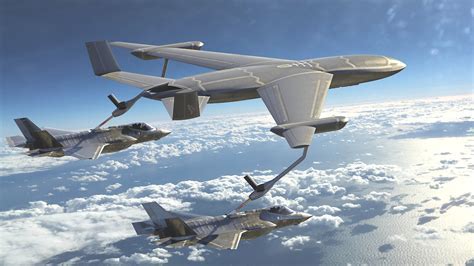
The project builds upon earlier programs such as Speed Racer, X-44A, and Skyborg, focusing on modularity, autonomy, and networked warfare. The CMMT-X airframe, in particular, evolved from Speed Racer, benefiting from prior research into expendable-class air vehicles. Lockheed envisions CMMT not only as a kinetic weapon but as a platform for electronic warfare and decoy missions, fitting within future Collaborative Combat Aircraft (CCA) frameworks.
Addressing Strategic Gaps and Future Integration
The context for CMMT’s development lies in the growing need for affordable, scalable standoff weapons, as highlighted during the Russia-Ukraine conflict, where cruise missile stockpile depletion became a critical issue. Lockheed’s strategy targets this gap by offering a missile priced at under 5% of a Tomahawk while achieving 25% of its range, offering a sustainable and replenishable solution for deterrence and high-intensity operations.
While the U.S. Department of Defense has yet to select the CMMT for formal acquisition, Lockheed Martin positions it as a candidate for future programs like Franklin or the Enterprise Test Vehicle. The company’s broader cruise missile portfolio, including the JASSM-XR and Mako, complements CMMT in Lockheed’s effort to meet projected demand across diverse operational theaters, particularly in potential Indo-Pacific contingencies.
Conclusion: Transforming US Air Force Strike Capabilities
The successful testing of the CMMT-D and CMMT-X missiles marks a strategic milestone for the US Air Force’s future strike doctrine. By combining affordability, modularity, and high-volume deployment capability, Lockheed Martin’s CMMT program directly addresses operational gaps exposed by recent conflicts and aligns with emerging demands for flexible precision strike assets.
Whether deployed from cargo aircraft, fighter jets, rotary-wing platforms, or ground-based launchers like HIMARS, the CMMT family promises a versatile, scalable solution poised to redefine how the U.S. military approaches long-range standoff engagements in contested environments.