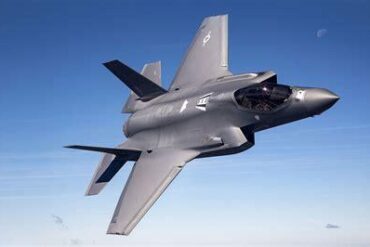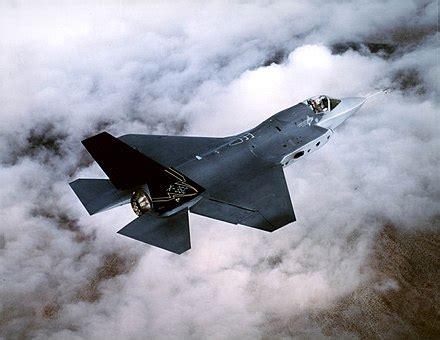
Lockheed Martin has announced that it believes it has completed the critical software updates required to enable newly upgraded F-35 Joint Strike Fighters to perform advanced combat missions. This milestone comes after extensive efforts to resolve a series of software issues that had hindered the deployment of the TR-3 configuration. The US government will now conduct the final validation to confirm the combat readiness of these jets, which is expected to take place soon.
TR-3 Upgrade: A Turning Point for the F-35
The TR-3 software upgrade marks a pivotal moment in the evolution of the F-35, one of the world’s most advanced stealth aircraft. Lockheed Martin’s Vice President of Business Development for the F-35 program, J.R. McDonald, shared with reporters at the Paris Air Show that the software now possesses the stability needed to support enhanced combat capabilities. However, one critical combat capability remains under final validation by the US government, and until this is resolved, Lockheed cannot officially declare the F-35 TR-3 ready for operational combat.
While the precise timeline for US government approval remains unclear, McDonald expressed confidence in the near completion of the process, highlighting that the development team has reached a point where only minor adjustments are needed. The delivery of F-35s equipped with the TR-3 upgrade began in July of the previous year, after a year-long freeze due to software issues. These jets have been primarily relegated to training roles, but with the finalization of the TR-3 upgrade, they are now poised for full combat readiness.
Improved Combat Features with Block 4 Integration
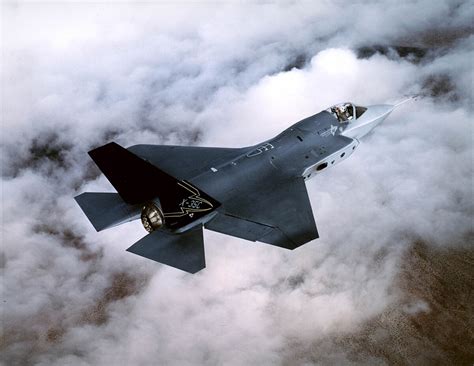
The TR-3 upgrade delivers a substantial boost to the F-35’s combat capabilities. The new software enhances computing power and upgrades the aircraft’s displays, providing a foundation for the integration of new Block 4 capabilities. These new features, which represent a leap forward in terms of mission execution and avionics, are designed to make the F-35 an even more formidable player on the global stage.
As of the most recent updates, approximately 200 F-35 aircraft have been delivered in the TR-3 configuration. Lockheed Martin plans to ramp up production with 170-190 aircraft expected to be delivered in the current year. These aircraft are equipped with software that will allow them to seamlessly operate within modern combat environments, integrating with a variety of mission systems, sensors, and weapons technologies. The TR-3 upgrade is thus an essential step in positioning the F-35 for future combat operations.
Challenges Remain: Radar and Aircraft Modifications
Despite the significant progress Lockheed Martin has made with the TR-3 upgrade, the fighter jet is not entirely out of the woods. One of the key components that was slated for delivery this year, a new radar system for the F-35, has faced potential delays. These delays could have a ripple effect on the overall capabilities of the aircraft and may require a redesign of the F-35’s fuselage. Lockheed executives were cautious in discussing the radar system, redirecting any questions on the topic to the US government. The radar upgrade, an essential piece of the aircraft’s sensor suite, is crucial for the F-35 to maintain its edge over adversaries, particularly in environments with high electronic warfare activity.
Lockheed Martin’s Future Vision: Fifth-Generation Plus F-35
As Lockheed Martin works to finalize the TR-3 upgrade, the company is already looking ahead, proposing further enhancements to the F-35 that would push it into the realm of a “fifth-generation plus” fighter. This concept includes new stealth coatings, potentially allowing the F-35 to maintain an even more covert presence in contested airspace. In addition, there are discussions surrounding the possibility of developing a pilotless variant of the F-35, marking a leap into autonomous combat systems.
Lockheed’s CEO, Jim Taiclet, framed this next step as an opportunity to create a fighter jet that could deliver 80% of the capabilities of a sixth-generation fighter at half the price. This ambitious vision aligns with the broader push to develop more affordable and technologically advanced defense solutions as nations around the world seek to modernize their military fleets.
A Global Fighter Jet: European Partnerships and International Impact
Beyond the technical upgrades, Lockheed Martin has also positioned the F-35 as a cornerstone of international defense cooperation. With parts sourced from across the F-35 enterprise, McDonald emphasized that the fighter jet is truly an international asset, with European content currently accounting for more than 25% of the aircraft’s value. This figure is expected to increase as the program progresses, reinforcing the F-35’s role as a symbol of global military collaboration.
In Europe, where defense spending is under increasing scrutiny amid growing geopolitical tensions, the F-35 is gaining traction. Lockheed Martin has been working to capitalize on the rising demand for advanced fighter jets, particularly in the wake of trade barriers imposed during the Trump administration. The company views the F-35 as a solution that will not only meet the needs of the US military but also provide an affordable, high-tech alternative for European nations looking to modernize their air forces.
The Road Ahead for the F-35 Program
Looking forward, the TR-3 software upgrade represents just one chapter in the ongoing development of the F-35 Joint Strike Fighter. As the aircraft evolves, Lockheed Martin plans to continue refining its capabilities, with additional upgrades anticipated to further enhance its combat effectiveness. The company is working closely with international partners to ensure that the F-35 remains a cutting-edge, versatile, and cost-effective solution for modern air forces around the world.
For the US government, the final approval of the TR-3 upgrade will mark the end of a lengthy and complex development process. Once validated, the upgraded F-35 will provide a significant leap forward in terms of combat effectiveness, ensuring that the aircraft remains at the forefront of next-generation air combat.
As Lockheed Martin eyes the future, the F-35’s continued development will likely have a profound impact on the landscape of military aviation. Whether through enhanced radar systems, increased autonomy, or new stealth coatings, the F-35 is poised to remain one of the most important and influential aircraft in the global defense market for years to come.
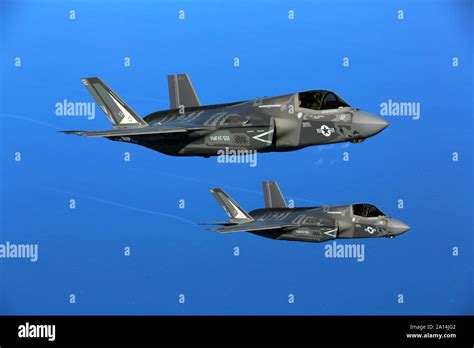
In conclusion, the TR-3 upgrade is a significant step forward for the F-35 program, with Lockheed Martin’s efforts poised to revolutionize the capabilities of this already advanced fighter jet. As the US government prepares to give the final sign-off on the upgrade, the world’s most advanced multi-role stealth aircraft is on the verge of unlocking new capabilities that will bolster its combat readiness for years to come.